


Incontinence is a loss of control of either urination or defecation. Urinary incontinence is much more common and will be the focus of this article. Incontinence is seen more often in older and senior pets due to age-related changes.
Incontinence is often more of an issue for pet parents than it is for the pets. Many pet parents may feel worried or even guilty if they feel annoyed at the mess. This is all very normal! The good news is that many cases of incontinence in cats and dogs can be managed long term.
In this article, we’ll look at the causes, signs and symptoms of incontinence, diagnosis and treatment and how you can make life easier on a daily basis for both yourself and your dog or cat. You will find general advice and a dedicated dog section and cat section.
What is incontinence in senior pets?
Incontinence is simply a loss of toileting control, and it can be due to a number of reasons. Sometimes, a pet may have pain and be reluctant to move around, causing them to have accidents in the house. Other times it may be an actual bladder or nervous system issue that means the animal is unaware that they have leaked urine.
With advancing age, incontinence becomes more common because other disease processes may affect water intake and urine output or make getting around to go to the toilet more difficult.


Tasty Tips
Why do senior pets lose bladder control? Common causes of incontinence in senior pets
There are a number of reasons why senior pets may start to lose bladder control. The most common being:
- Muscle weakness. Older animals may start to lose muscle mass and body condition, and generalised weakness may cause accidents to happen.
- Hormonal changes. After spaying and with age, hormone levels drop, which can impact bladder tone in an area called the trigone in female dogs. Male dogs have a distinct sphincter muscle at the outlet of their bladder, but in female dogs, the trigone has less defined musculature. As hormones drop, this area can become weaker and less effective, allowing leakage.
- Cognitive decline. These days, as our pets live longer and longer, we see more cases of cognitive decline in both cats and dogs. Much the same as dementia in humans, animals can become confused and disoriented and experience broken sleep patterns, and toileting accidents are a common sign of the condition.
- Reduced mobility. This is a common cause of accidents. Arthritis in the spine and hind limbs can have a pronounced effect on toileting behaviour. Cats may find it difficult to get in litter trays, and both cats and dogs may be reluctant to go outside to go to the toilet.
- Underlying disease. Many other diseases can contribute to incontinence, including diabetes and kidney disease which cause increased thirst and urine production. Your dog, who used to go through the night without needing a wee, may suddenly start urinating in the house.
- Urinary tract infections (UTIs). UTIs cause cystitis, which is an inflamed bladder. This makes animals and humans alike feel like they need to go to the toilet all the time, so accidents are more likely. UTIs do not cause permanent incontinence, and usually once the cause is addressed, bladder function returns to normal.
- Bladder stones. As with UTIs, these may also cause bladder irritation and cystitis, and the incontinence is temporary.
- Neurological disorders. This could be spinal deterioration or loss of nerve supply to the rear end due to trauma like a road traffic accident.
General signs of incontinence in senior pets
The most common signs of incontinence are:
- Urinating in the house
- Dribbling urine
- Frequent urination
- Missing the litter tray
- Wet bedding. Dogs with poor bladder tone often leak without knowing when they sleep and when they sit down or stand up, so you may notice wet bedding or a small puddle on the floor when they move.
- Strong urine smell
- Excessive licking of the genital area
- Restlessness or discomfort
Dog owners' section
Incontinence in senior dogs
Older dogs are prone to incontinence for a number of reasons, the most common being:
Mobility and missed toilet breaks. Arthritis in the hips is very common in older dogs, and this makes it difficult and painful to squat or lift a leg. This may make dogs reluctant to go to the toilet, and they may then have an accident if they can’t hold it or get outside in time.
Cognitive decline or cognitive dysfunction syndrome. This is common in older dogs. The major signs of this brain ageing, much like with human dementia are
Loss of normal house training
Appearing confused, such as asking to go out and then standing there as if they don’t know why you opened the door.
Broken sleep patterns.
Abnormal barking or whining at odd times.
Pacing for no apparent reason.
Hormonal incontinence. This is a cause of incontinence in spayed female dogs. Hormones affect the tone of the bladder area known as the trigone. Female dogs don’t have a distinct sphincter in the bladder like male dogs; they have a muscular area called the trigone. After spaying, this can become weakened and can lead to leakage. As mentioned, these dogs are often unaware of the leakage, and you will often see a leak or a puddle when they stand up or exert any abdominal effort.
Underlying disease that increases thirst and urine output. Dogs with diseases like kidney disease or diabetes that result in more urine being produced may cause dogs to have accidents even if they previously went through the night without any issues.
Signs specific to senior dogs
- Accidents in the house.
- Trouble holding urine overnight.
- Leaking urine while walking or when getting up, lying down or exerting abdominal effort.
How to help a senior dog with incontinence
- More frequent walks. The more opportunities your dog has to urinate, the less likely you will have accidents simply because the bladder will not be full.
- Puppy pads positioned where they sleep or rest around the house.
- Easy outdoor access to help dogs with mobility issues.
- Supportive bedding to help sore joints.
- Pain relief. We’ll talk more about this later, but many dogs experience pain without their pet parents noticing.
- Frequent baths to prevent urine scalding.
Cat owners' section
Incontinence in senior cats
Cats are a little different from dogs when it comes to incontinence.
Difference between spraying and incontinence. This is an important distinction to make. Some cats spray due to stress or because they are marking territory. It makes them feel more relaxed if they can smell their pheromones. Spraying is an active motion, usually standing upright with urine directed at an upright surface like a doorpost or a settee. Incontinence is accidental loss of toileting for other reasons.
Litter tray accessibility. Most cats would always rather go outside to go to the toilet. They can dig and find a quiet secluded, safe place. Often, litter trays are placed in places that are convenient for humans, not animals. They may be somewhere noisy, busy or may be shared by many cats. None of these are conducive to your cat being eager to use them. Would you want to go to a public, open-air toilet in a shopping centre?
Stress and environmental changes. Stress is an important cause of disease in cats, most often cats that are not allowed out and those living with other cats. Stress cystitis is very common in all ages of cats. Even changes in the home can spark it, such as visitors or building work or a house move.
Pain or discomfort. As stated above, arthritis is a common cause of accidents in older cats because they find adopting the posture to urinate difficult.
Signs specific to senior cats
Urinating outside the litter box or around the house if they usually go outside to toilet.
Avoiding the litter tray.
Straining to urinate. This can be a sign of any type of cystitis but can also be the sign of a blocked bladder, which is a medical emergency. If ever you see your cat straining to urinate, seek urgent medical attention.
How to help a senior cat with incontinence
Low-entry litter trays and softer, more comfortable forms of cat litter.
Multiple litter boxes. You should always have one more litter tray than you have cats. They should be away from food and water and in separate locations around the house.
Quiet, accessible locations for litter trays. Avoid kitchens, laundry rooms and places where there is heavy family foot traffic.
Stress reduction. You can read more about this in our stress cystitis article, but this can make a huge difference to cat incontinence.
How is incontinence diagnosed?
Veterinary examination
Your vet will want to do a full physical exam to check for signs of underlying disease such as stiffness and arthritis or things like palpable bladder stones.
Urine and blood tests
These are essential to check for underlying disease that doesn’t show up on a physical exam, like kidney disease. They will also check for bladder infections, bladder crystals, inflammation and blood in the urine.
Imaging tests
Your vet may want to take radiographs (x-rays) or do an ultrasound or other imaging to check for things like bladder stones, tumours or other abnormalities.
Treatment and management options for dogs and cats with incontinence
There are lots of things you can do to make managing incontinence easier for you and your pet. Your vet team will guide you through the best strategies for you and your individual cat or dog. Treatment and management options will vary widely depending on the cause of the issue. Below are some of the common options.
Medical treatment
- Bladder or hormonal medications can make a big difference and often cure incontinence in spayed bitches. This is also known as sphincter mechanism incompetence.
- Pain management. This is important because so many pets are in pain without anyone knowing.
- Antibiotics. The whole medical world is trying to reduce the use of antibiotics for environmental reasons and because of the danger of drug resistance. However, they are essential if you have a urinary tract infection. Left untreated, UTIs can cause irreparable kidney damage.
Nutrition and hydration
- Nutrition can always have a big role to play. These days, specialised foods exist for dozens of health issues. Mobility and weight-loss food can make a big difference to joint issues and pain. Urinary health and stress-reduction diets can cure some cats of stress cystitis and aid hugely with bladder stone issues in both dogs and cats.
- Encourage water intake. Hydration and water intake are important for life! But they are particularly important for many medical conditions. Feeding your pet wet food or soaking kibble in warm water prior to feeding can really help water intake. Providing multiple water bowls and fountains around the house can also help.
Lifestyle and home adjustments
These adjustments are just as important for some of these conditions as food, water and medication.
Mobility issues. There are lots of home modifications you can make fairly easily for both dogs and cats with arthritis.
Strategic placement of furniture to help them get on and off.
Ramps for dogs to help with steps or getting in the car.
Consider where there might be slippery surfaces in your pet’s environment. Cats and dogs with mobility issues are often frightened of slipping, and using rugs or rubber mats can really help encourage movement.
Stress reduction for cats is an absolute must. Your vet will be able to tell you all the ways you can do this and you can read more about it here.
Waterproof bedding will make your life easier when it comes to cleaning up.
Frequent opportunities to urinate. Short, frequent walks are much better for senior dogs than long walks once a day. Provide cats with litter trays, even if they go outside. Older cats may not fancy going outside for a wee, especially in winter.
Is incontinence dangerous for senior pets?
Most of the time, incontinence is an inconvenience for both pet and pet parent, and most can be easily managed with a multi-pronged approach. However, some causes are potentially serious.
When should you see a vet?
The bottom line with pet care is always see a vet if you have the slightest doubt about your pet’s health. The more observant you are as an owner, the sooner you will spot abnormalities such as increased thirst or changes in behaviour. Regular vet visits and regular weight checks help spot subtle changes early on.
You should absolutely see your vet if you see
- Blood in urine
- Straining to urinate
- Vocalisation when urinating
- Pain when urinating
- Sudden behaviour change
- Frequent accidents
- Lethargy or weight loss
Living with a senior pet with incontinence
Incontinence in senior dogs and cats, just like in humans, is a common occurrence. Most cases can be managed with a combination of medication, nutrition and lifestyle adjustments. It’s important to work closely with your veterinary team and communicate regularly.
If you have a dog or cat with continued issues despite your best efforts, it’s important to think carefully about their quality of life. A good shorter life is always better than a long life of discomfort, disease and suffering.
Be observant, follow your vet’s advice and have regular check-ups, and you have the best chance of making your pet’s life and yours as great as they can be.
Frequently asked questions about senior pet incontinence
Is it normal for senior dogs to pee in the house?
While it isn’t normal, it’s not uncommon. There may be several reasons for it, such as underlying disease, cognitive decline or a weak bladder. If your dog loses their toilet training, always see a vet as soon as you can. Earlier diagnosis is always best.
Why is my elderly cat urinating indoors?
There are several possible reasons for this. They may be arthritic and have pain, and so be reluctant to use a litter tray. They may have stress-related cystitis or a bladder stone. They may just not fancy going outside if it’s cold and raining. Any time you notice incontinence or loss of bladder control, see your vet. If your cat has a bladder issue, this can quickly escalate and become dangerous.
Can incontinence be treated in senior pets?
In many cases, yes. Lots of causes of incontinence can be managed with a combination of medication, nutrition and lifestyle adjustments.
How can I help my pet at home?
This depends on the cause of the incontinence but options may include
- Pain relief to aid mobility. Make sure this is prescribed by your vet.
- Consider how you can move furniture to help animals get around and be more comfortable.
- Provide lots of opportunities to urinate – litter trays for cats in quiet places and short, frequent walks for dogs.
- Cover slippery surfaces with mats and rugs to help your pet get to where they need to urinate.
Reviewed by Becky Mullis, DVM, DACVIM (Nutrition).

Related products
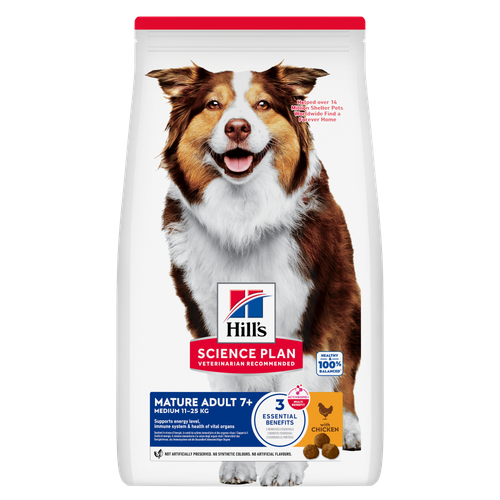
Medium Mature Adult Dog Food
Hill's Science Plan Medium Breed Mature Adult Dog Food with Chicken is a complete pet food, specially formulated with ActivBiome+ Multi-Benefit Technology.
This food is specifically designed for the needs of ageing medium breed dogs.
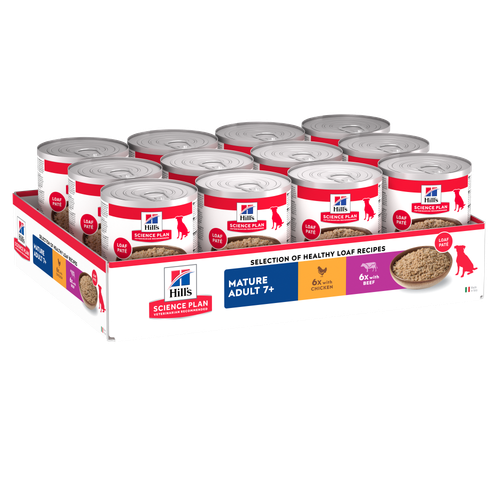
Mature Adult Dog Food
Hill's Science Plan Mature Adult Multipack Wet Dog Food with Chicken & Beef are complete premium pet foods for mature adult dogs from 7 years. Your dog will love these deliciously smooth and savoury minced loaves, formulated to deliver the appropriate amount of energy to support the needs of adult dogs.
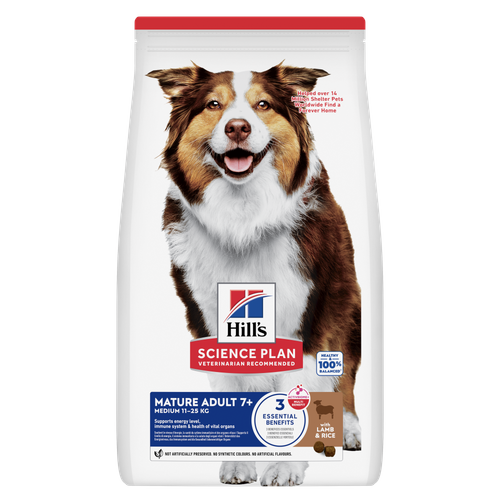
Medium Mature Adult Dog Food
Hill's Science Plan Medium Breed Mature Adult Dog Food with Lamb & Rice is a complete pet food, specially formulated with ActivBiome+ Multi-Benefit Technology.
This food is specifically designed for the ageing needs of medium dogs.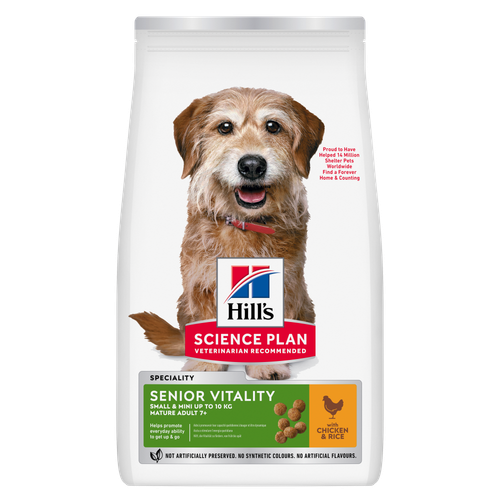
Senior Vitality Small & Mini Mature Adult Dog Food
Hill's Science Plan Senior Vitality Small & Mini Breed Dog Food with Chicken. Our breakthrough formula helps promote your senior dog's everyday ability to get up & go.
Related articles
Cystitis in Dogs: Symptoms and Care
Learn the symptoms, causes and treatment of cystitis in dogs. Find out how UTIs are diagnosed, when to see a vet and how to protect your dog’s urinary health.
Is Senior Dog Food Necessary? Understanding the Difference Between Senior, Mature and Adult Dog Foods
Learn why senior dog food is necessary, how it differs from adult formulas, and when to switch to support your dog’s ageing health and vitality.
Caring for a Senior Dog: Physical and Mental Changes to Watch For
Learn the physical and mental signs of aging in dogs and how to keep your senior pet happy and healthy
Dog Vomiting and Diarrhoea: When to Worry and What to Do
Is your dog vomiting or suffering from diarrhoea? Learn what’s normal, what’s not, and when to seek help with this vet-reviewed guide for pet owners.

Put your dog on a diet without them knowing
Our low calorie formula helps you control your dog's weight. It's packed with high-quality protein for building lean muscles, and made with purposeful ingredients for a flavourful, nutritious meal. Clinically proven antioxidants, Vitamin C+E, help promote a healthy immune system.
Put your dog on a diet without them knowing
Our low calorie formula helps you control your dog's weight. It's packed with high-quality protein for building lean muscles, and made with purposeful ingredients for a flavourful, nutritious meal. Clinically proven antioxidants, Vitamin C+E, help promote a healthy immune system.