


You may tease someone for being a "scaredy-cat" or even get a chuckle when something startles your cat and makes them jump. But a fearful, anxious cat is no joke. Cat anxiety can be a serious problem that compromises your cat’s welfare. If you think you might be dealing with a stressed cat, keep reading in order to understand what's going on and how you can help them.
Cat anxiety explained
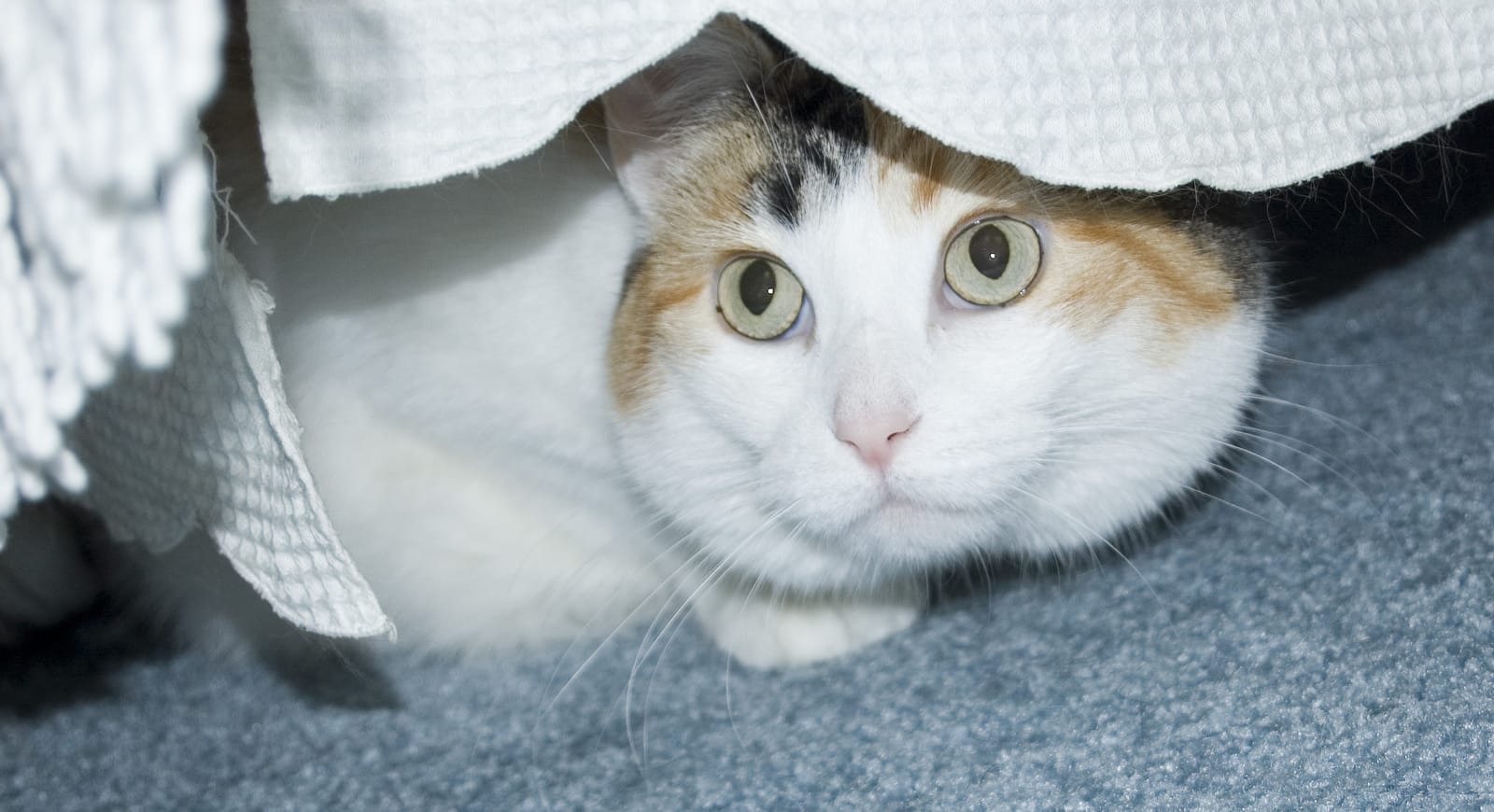
Cats experience anxiety when they perceive a threat, whether real or imaginary, and respond to this threat with typical fear reactions. In other words, an anxious cat may appear stressed and afraid for no obvious reason. However, this doesn't mean that there isn't a reason. It simply means that it may take some time and investigation to determine the cause.
Potential causes for anxiety include pain or illness, psychological stress from living in a multi-cat household, a traumatic experience, lack of proper socialisation, a history of abuse or neglect or declining senses and loss of memory associated with an ageing brain. Joint pain in older cats can also be a source of anxious behaviours, such as hiding or failing to use the litter box. Other potential causes of cat anxiety can include new or moved furniture, a new pet or baby in the home, or even a new home.
So how can you tell if you have an anxious cat?
Signs of stress in cats
An anxious cat isn't too difficult to spot. Here are the common signs and symptoms of general cat anxiety or stress:
- Withdrawal and hiding
- Becoming less active
- Trying to escape
- Loss of appetite/overeating
- Destructive or aggressive behaviour
- Diarrhoea
- Urine marking or litter box avoidance
- Hair loss, sores and lesions resulting from over-grooming
Other signs include weight loss, excessive vocalisation, lethargy and restlessness. Cats are generally solitary creatures and are quite happy spending time on their own. Some cats, however, are very attached to their family and may experience distress related to separation from their owner. If your cat is fine as long as you're around but starts showing anxious behaviours when you do things associated with departure, such as picking up your keys or closing the curtains, you should seek help from a qualified behaviourist.


Tasty Tips
Helping your stressed cat
The first thing you need to know in order to help your anxious cat is that you should never punish or scold them for their anxious behaviour. This will only increase negative associations and fear and make things worse instead of better. It will also damage the bond between you and your cat. The goal should be to help them feel safe and relaxed in their surroundings.
 Once you've identified anxious behaviours in your cat, the first step is to make an appointment with your veterinarian to either diagnose or rule out any underlying health issues, such as pain and discomfort, that might be causing your cat stress. Because cats tend to hide their pain, this is not something that is likely to be obvious and may require a thorough examination as well as other diagnostic procedures like blood tests or X-rays. If it turns out that your cat is suffering from pain or a medical issue, treating the issue may be all that's required to resolve their anxiety and help your cat get back to their normal self.
On the other hand, if your vet rules out a physical problem as the cause, this may mean that the issue is psychological. If this is the case, your vet should be able to advise you on a course of treatment.
Your vet may recommend a board-certified veterinary behaviourist if your cat requires anti-anxiety medication or a qualified behaviourist or trainer who can help both you and your cat with environmental management and behaviour modification. Behaviour modification involves identifying the triggers for anxiety in your cat’s life in order to create a new, positive emotional association through the process of desensitisation and counter-conditioning to these triggers. Environment management involves changing the environment to avoid a behaviour problem, such as removing anxiety triggers from the environment. For example, if your cat is anxious about trips in the cat carrier, you can reward them with a favourite toy or treat whenever they choose to hang out in or near the carrier. In time, they’ll associate the carrier with these positive rewards and no longer be anxious when they go inside. The overall goal of this training and conditioning is to teach your cat that they're safe and that it's okay to relax. These kinds of behavioural modifications must be done under expert guidance. If done in the wrong way, you risk reinforcing the fear or anxiety and may make the situation worse.
Multi-cat households: a common cause of stress and anxiety
Multi-cat households deserve a special mention because living with other cats nearby, even in the neighbourhood, is a major cause of stress and illness in cats. As previously mentioned, cats are solitary creatures by nature and generally view other cats as a threat to their precious resources. Having only one cat is probably the best thing you can do to try to prevent stress and anxiety in the first place. If you do have a multi-cat household and you have one or more cats showing signs of stress, try the following to help reduce conflict and stress:
- Have multiple food and water stations around the house in quiet places. You should have one more of these stations than the number of cats in the home.
- Multiple litter trays – again, one more than the number of cats. These should be away from food and water and in secluded places.
- Use shelves and furniture strategically placed in hallways and passages so the cats can pass each other at different levels.
- Have more than one cat flap if possible so that dominant cats can’t obstruct access to the outside for the more timid cats.
- Provide plenty of elevated hiding places and beds so that all the cats can get away from each other whenever they need to.
- Consider rehoming. Sadly, some cats just don’t cope well living with other cats. For these cats, a new home where they can feel safe and relaxed may be the best option.
- Nutrition. There are certain therapeutic foods with natural additives that can help alleviate stress in cats.
- Allow safe access to the outdoors. Indoor living is a big cause of stress in many cats, even if they live alone.
If left untreated
Untreated anxiety won't get better on its own and will likely become worse over time, with undesirable behaviours becoming more pronounced. Just as with humans, chronic stress can have a myriad of effects on your cat’s physical health. If it persists, it could compromise their immune system and make them more vulnerable to illness, which will, in turn, compound the stress, leading to additional behavioural problems. It's not only in your cat's best interest to address any anxiety as quickly as possible but also in yours, so you can maintain the peace of your home.
If you think your cat is suffering from anxiety, take heart. With love, patience and assistance from qualified professionals, you can help your cat to live a healthier, happier life.
Reviewed by Dr. Hein Meyer, DVM, PhD, Dipl-ECVIM-CA and Dr. Aileen Pypers, BSc, BVSc, PGDip.

Related products
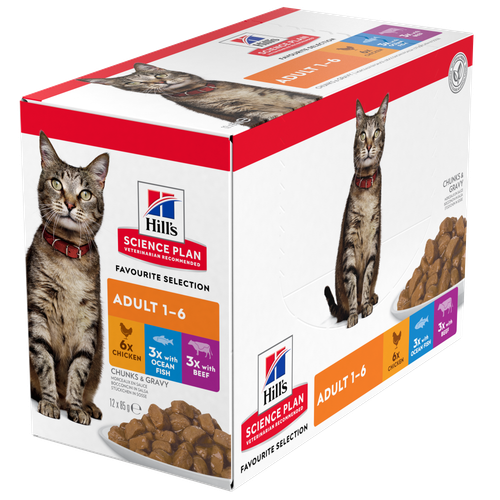
Adult Wet Cat Food with Chicken
Tender chunks in gravy for cats, with high-quality protein to maintain lean muscle. With vitamin E and omega-3s & -6s for healthy skin and balanced minerals to support healthy vital organs.
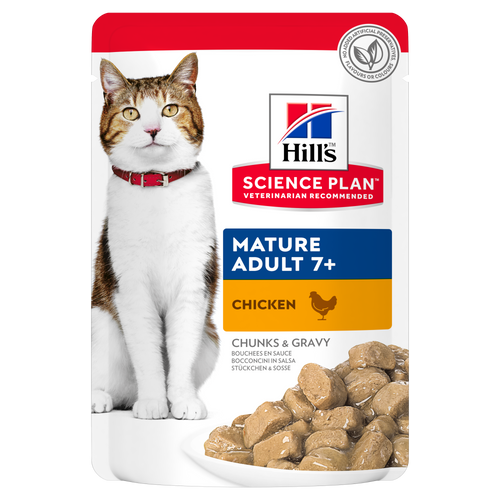
Mature Adult Wet Cat Food with Chicken
Hill's Science Plan Mature Adult Wet Cat Food Premium Chunks in Sauce with Chicken is a complete pet food for mature adult cats 7+ years old
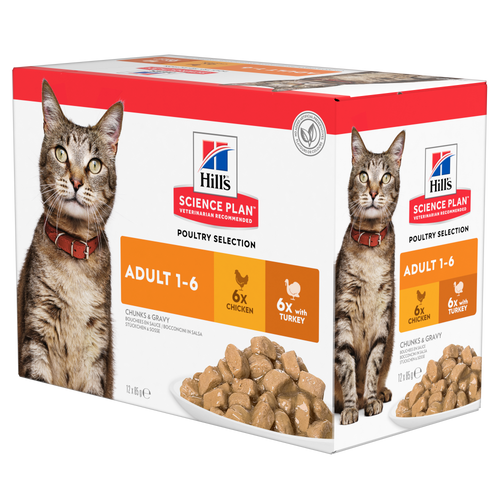
Adult Wet Cat Food with Chicken
Tender chunks in gravy for cats, with high-quality protein to maintain lean muscle. With vitamin E and omega-3s & -6s for healthy skin and balanced minerals to support healthy vital organs.
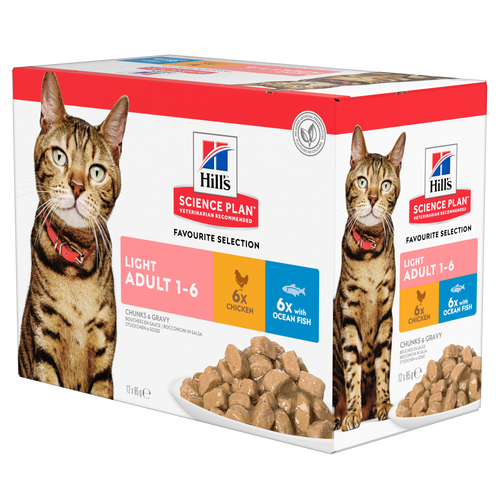
Light Adult Wet Cat Food Chicken
Tender chunks in gravy for cats, with L-carnitine and fewer calories for ideal weight management. Packed with high-quality protein, omega-6s, and vitamin E for shiny fur and healthy skin.
Related articles
Helping Your Cat Overcome Fears of Thunder & Fireworks
It's not uncommon for a cat to be afraid of loud noises, especially thunder and fireworks.
Cat Urinary Issues: Spotting The Signs and Causes
Understand the symptoms and common causes of cat urinary problems, including how to spot the signs of urinary issues. Get expert advice at Hill's Pet UK.
Cat Anxiety: Understanding Signs Of Stress In Cats
Learn to recognise the signs of anxiety and stress in cats and understand the potential causes. Get expert tips on managing stress with Hill's Pet UK.
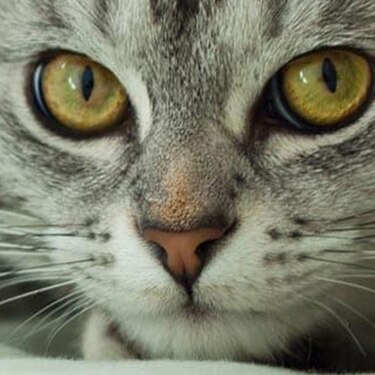
Preparing Your Nervous Cat for Large Gatherings at Home
Having a large group over? Learn some helpful ways to prepare your nervous cat and keep her from feeling overwhelmed by the amount of people and noise.
Put your cat on a diet without them knowing
Our low calorie formula helps you control your cat's weight. It's packed with high-quality protein for building lean muscles, and made with purposeful ingredients for a flavourful, nutritious meal. Clinically proven antioxidants, Vitamin C+E, help promote a healthy immune system.
Put your cat on a diet without them knowing
Our low calorie formula helps you control your cat's weight. It's packed with high-quality protein for building lean muscles, and made with purposeful ingredients for a flavourful, nutritious meal. Clinically proven antioxidants, Vitamin C+E, help promote a healthy immune system.