


The kidneys, those frequently forgotten but life-sustaining organs, remove waste from the bloodstream and regulate fluids in the body. If the kidneys are not able to do their job, the result could be life-threatening for your dog.
In this article, we’ll look at what causes kidney disease in dogs, the signs to look out for, the various stages of kidney disease and treatment options.
What is kidney disease?
Kidney disease is anything that damages enough of the cells of the kidneys to reduce their ability to function. Many things could cause damage, such as infection, kidney stones, trauma, toxic substances, cancer and old age.
There are several terms used to describe kidney damage that you might come across.
- Kidney disease. This is an umbrella term that encompasses any problem with the kidneys. It could refer to infection (pyelonephritis), trauma, failure and so on.
- Chronic Kidney Disease (CKD). This is the most common form of kidney disease, especially in older dogs.
- Chronic Renal Failure (CRF). It is another term used to describe CKD, but it essentially refers to the same condition.
- Acute Kidney Injury (AKI). This is most often seen with things like poisoning or physical trauma.
- Kidney disease versus kidney failure. Kidney disease means there is still some renal functionality left. Kidney failure is the end stage of either acute or chronic kidney disease when there is no function left.
Kidneys are very important because, along with the liver, they remove waste substances from the blood. They also maintain the normal balance of fluid and minerals within the body, among many other important functions.
The kidneys have a huge reserve of functional capacity, which is why many people and animals can live normal lives with just one kidney. However, this doesn’t help the kidneys when they start to fail because signs of illness often only appear after around 75% of the kidneys’ function has already been lost. This is the reason why early detection is so important, especially for dogs aged 7 or older. A simple blood test and urinalysis are usually all that is required to detect kidney disease.


Tasty Tips
What causes kidney disease in dogs?
The kidneys can be damaged by a wide range of conditions including injury, infection, toxins, cancer, and the gradual decline that comes with ageing. In many dogs, this age-related change could lead to chronic kidney disease (CKD). Sadly, this damage is usually irreversible, which, again, is why early detection is key. Kidney disease is relatively common in dogs, but with early diagnosis and treatment, progression can be slowed, and many dogs go on to live happily for months or years after diagnosis. Factors that can make dogs more prone to kidney disease include the following:
Risk factors for kidney disease in dogs
Age: The chance of dogs developing kidney problems increases after the age of 7. With ageing and wear and tear on the organs, cells are gradually lost. The kidneys are one of the few organs in which cells are never replaced, so ageing has a profound effect on kidney function.
Breed: Some dog breeds, including English cocker spaniels, bull terriers and German shepherds, are more likely to develop particular types of kidney disease.
Causes of kidney disease in dogs
- Environment. Some chemicals, including certain disinfectants, antifreeze, lead paint and some medications, can damage the kidneys.
- Infection (pyelonephritis). Usually infection gets into the kidneys from bacteria in the bladder that travel up the ureters, which are the thin tubes that take urine from the kidneys to the bladder. In severe or untreated cases of urinary tract infection, bacteria can get into the kidneys and this can be life-threatening. Infection can also sometimes find its way to the kidneys through the bloodstream (septicaemia), for example from dental disease.
- Obstruction of flow of urine. This is most often caused by bladder stones blocking the release of urine or by kidney stones that become lodged in the urinary tract. When the urine has nowhere to go, the pressure builds up in the kidneys, causing irreversible destruction of renal tissue.
- Wear and tear. As we mentioned, simple ageing may cause a gradual loss of kidney function.
- Tumours. Any type of tumour that invades the kidneys and takes up space will reduce the kidney’s functional capacity.
What are the signs and symptoms of kidney disease in dogs?
The signs of kidney disease can be difficult to recognise, but if you notice any of the following, it could mean your dog has a kidney problem. Please check with your veterinarian if you are seeing any of these signs. The signs of kidney disease may vary depending on the stage of your individual dog’s condition.
Early stage signs
By far the most common early signs are
- Increased thirst
- Increased urine production
Together, these are known as polyuria, polydipsia (PUPD). These signs are very common in lots of diseases such as Cushing’s disease and diabetes as well as renal disease. If you ever notice a change in thirst or urine output, see your vet as soon as you can.
Signs of advancing kidney disease
As kidney disease in dogs progresses, you may notice one or more of the following signs.
- Decreased appetite
- Weight loss
- Bad breath
- Vomiting and diarrhoea
- Sore mouth
- Weakness
- Lack of energy and increased sleeping
- Poor coat appearance
- Depression
Signs that may point to a kidney infection
These are a little different from the other signs. An unnoticed kidney infection can quickly progress to kidney failure, so you may see the other signs at some point too.
- Fever
- Straining/painful urination
- Blood in urine
- Foul-smelling/cloudy urine
- Back/abdominal pain
Acute versus chronic kidney disease
If your dog is diagnosed with kidney disease, your vet may describe it as acute or chronic.
Acute Kidney Disease
Acute, or sudden, kidney disorders can be caused by:
- Blood loss
- Shock
- Surgical stress
- Trauma
- Severe dehydration
- Poisons
- Drugs
- Obstructed urine flow from stones or tumours
- Infection
Depending on the cause and how much time has passed since the damage happened, in some cases of acute kidney disease or acute kidney injury, with prompt treatment, the kidneys’ function may completely recover. They may have lost some cells, but due to their large functional reserve, you can sometimes find that function returns to normal over the following weeks. However, sometimes the damage is too severe, and some dogs may not recover.
Chronic Kidney Disease
Chronic, or long-term, kidney disease can result from the above factors as well as breed and hereditary tendencies and advancing age. Chronic kidney disease is progressive and irreversible.
As the signs of chronic kidney disease usually do not appear until 75% of kidney function has been lost, and since once it develops it cannot be reversed, it's key to diagnose the disease as early as possible.
How is kidney disease in dogs diagnosed?
If your vet suspects kidney disease, they will want to run one or more of the following tests:
- Blood tests. A full panel of blood tests will be required because of the many diseases that can present in the same way as kidney disease. For kidney disease, they will be focusing on creatinine, BUN, SDMA and the phosphorus level. We’ll talk more about these later.
- Urine tests.
- Specific gravity. This measures how dilute the urine is. As kidney function reduces, they stop being able to concentrate the urine and it becomes more dilute.
- Presence of protein in the urine.
- pH. This will be measured to see if certain types of stones are more likely than others and can also be a strong indicator of infection if it’s high.
- Microscopy. This is where the urine is examined for crystals, signs of inflammation and signs of infection. The urine will also be examined for the presence of blood.
- Culture and sensitivity. The urine can be sent to a laboratory to be cultured to see what, if any, bacteria are present. In addition, a sensitivity test can be done if bacteria are present to see which antibiotics will be most effective to treat the infection.
- Imaging. Your vet may want to do imaging, such as radiographs (x-rays) or ultrasound to check for blockages, stones, kidney abnormalities and tumours.
Stages of kidney disease in dogs – the IRIS scale
Once your vet has finished all the tests, if your dog is found to have renal disease, they will be given an IRIS staging number. IRIS is the International Renal Interest Society, and it has developed a staging system which helps guide treatment choices and gives an idea of prognosis. The four main stages are based on two blood levels, creatinine and SDMA. The stages are always based on at least two consistent blood tests. In simple terms, the four stages are:
- Creatinine is normal, SDMA might be normal or slightly raised. No clinical signs.
- Creatinine is normal or slightly raised. Mildly increased SDMA. Clinical signs mild or absent.
- Both creatinine and SDMA are raised. May have many clinical signs, but this varies.
- Markedly raised creatinine and SDMA. Marked clinical signs and possible severe illness.
As previously mentioned, even up to late stage 2, there may be no clinical signs. It can’t be stressed enough how important early diagnosis is. This is why most vets recommend yearly blood tests for dogs over the age of seven years; checking regularly allows you to catch CKD before too much function has been lost.
Treatment and management options for dogs with kidney conditions
This will depend to a certain extent on whether your dog has chronic kidney disease or acute kidney injury and what the stage of their condition is. The mainstays of treatment or management are as follows:
- Nutrition. Changing your dog to a kidney support food is a proven measure for prolonging life for pets with kidney conditions. These diets have
- Reduced overall protein content but high-quality protein. This reduces the burden on the kidneys but still allows your dog to get enough protein to maintain their condition.
- Restricted phosphorus. This is very important and plays a major role in slowing the progression of the disease.
- Restricted sodium, which reduces the kidneys’ workload and helps manage blood pressure.
- High omega-3 fatty acids, which are known to help break the cycle of inflammation.
- Added antioxidants, which help combat cell damage and promote a healthy immune system.
- Medication. Certain medications can help with kidney disease by reducing blood pressure and further kidney damage. Others may be used to bind phosphorus in the gut to further reduce the absorption. This may be necessary particularly if your dog can’t have a renal food for any reason.
- Hydration. It’s very important that animals with kidney disease stay hydrated. Feeding them wet food or soaking kibble can really help with this. Multiple water bowls or fountains are also useful so that your dog never needs to go far to get a drink. If your dog is ill or has an acute issue, your vet may admit them to the hospital to administer fluids intravenously.
- Monitoring and regular check-ups. Regular vet visits and blood and urine tests are important to see if the kidney diet and medications are making a difference. This allows your vet to tailor the management to your individual dog and also stay in touch with you about changes you’re seeing at home.
Considering euthanasia
No one likes to think about this, but if your dog is diagnosed with stage 3 or 4 kidney disease, it’s wise to have a frank talk with your vet about when to consider euthanasia. The latter stages of kidney disease can cause some fairly unpleasant issues for your dog, and it’s best to make this decision before your dog suffers. By discussing this early on, you and your family can be prepared.
In summary
Kidney disease can be sparked by a sudden event or can be a chronic, progressive disease. If ever you see any of the signs we mentioned earlier, seek veterinary attention straight away. The earlier you get a diagnosis, the sooner you can take measures to slow the progression.
Yearly blood tests at your dog’s annual check-up are wise, especially after the age of seven. They allow you to catch the early stages of kidney disease before you see clinical signs. This can make a huge difference to your dog’s prognosis. No one wants to hear their dog has kidney disease, but following your vet’s advice will allow you to have as much time with your dog as possible. Many dogs live a good life with the right nutrition and management.
Frequently asked questions about kidney disease in dogs
What are the first signs of kidney failure in dogs?
The first signs of kidney disease in dogs are:
- Increased thirst
- Increased urination
- Decreased appetite
- Weight loss
Can kidney failure in dogs be cured?
Some dogs with acute kidney injury – for example, from trauma – may (depending on the severity of the damage) recover normal kidney function because the kidneys have a large reserve capacity. In general, though, kidney disease is irreversible and can’t be cured. Management relies on slowing down the kidney damage and reducing the burden on the cells that are left.
What food is best for dogs with kidney disease?
Kidney support foods are proven to prolong and improve quality of life in most cases. They have reduced but high-quality protein, reduced phosphorus and sodium, added omega-3 fatty acids and added antioxidants. These adaptations reduce the kidneys’ workload and any further damage and fight inflammation and cell damage.
What causes a kidney infection in dogs?
Kidney infections (pyelonephritis) are usually caused by bacteria from a bladder infection travelling up to the kidneys. Sometimes a systemic infection, from dental disease for example, may also cause kidney infections because the kidneys filter the blood.
Reviewed by Becky Mullis, DVM, DACVIM (Nutrition).

Related products
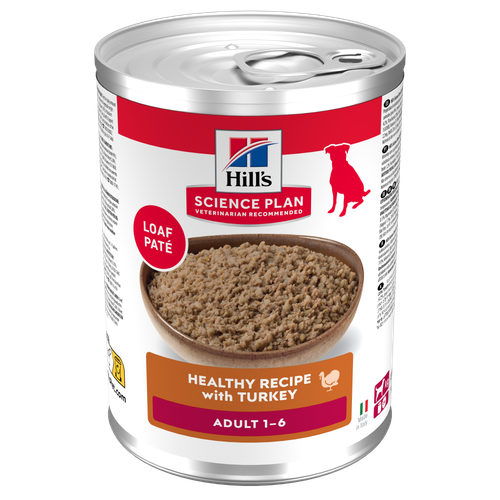
Adult Dog Food
Hill's Science Plan Adult Wet Dog Food with Turkey is a complete premium pet food for adult dogs from 1 year. This deliciously smooth minced turkey loaf is formulated to deliver the appropriate amount of energy to support the needs of adult dogs.
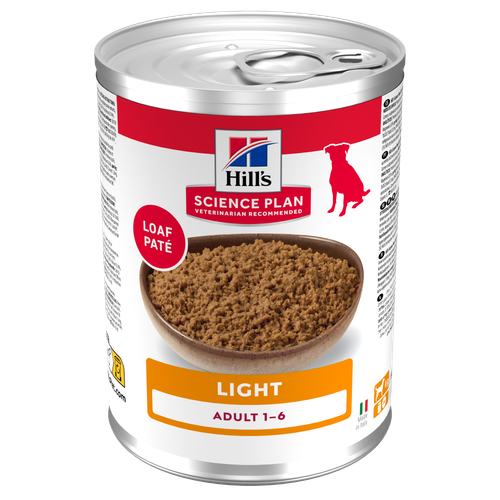
Adult Light Dog Food
Hill's Science Plan Light Adult Wet Dog Food is a complete premium pet food for adult dogs that tend to gain weight easily. This deliciously smooth loaf is formulated to deliver the appropriate amount of energy to support weight maintenance in adult dogs.
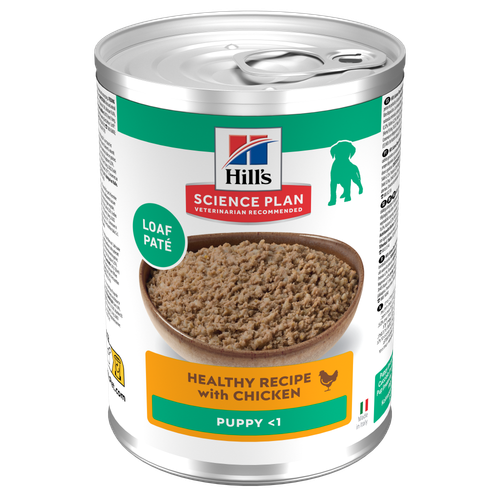
Puppy Food
Hill's Science Plan Puppy Wet Dog Food with Chicken is a complete premium pet food for growing puppies from weaning until 1 year old and for pregnant and nursing dogs. This deliciously smooth minced chicken loaf is precisely balanced to deliver the appropriate amount of energy to support the needs of growing puppies.
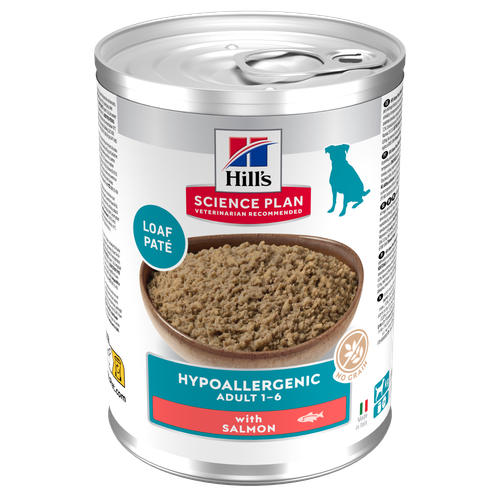
Hypoallergenic Adult Dog Food
Hill's Science Plan Hypoallergenic Adult Wet Dog Food with Salmon is a complete premium pet food for all adult dogs from 1 year. This savoury tinned loaf is specially formulated for dogs with delicate skin and stomachs. It features a single novel animal protein source and is grain-free.
Related articles

Diabetes in Dogs: What You Need to Know
Learn the warning signs, symptoms, and treatments of diabetes in dogs (diabetes mellitus) and the importance of being consistent in the food you feed your dog.

Managing Your Dogs Congestive Heart Failure
Learn to recognise the signs of congestive heart failure in dogs so you can give your dog the best chance of a longer, healthier life.

Dog Scooting & Recognising Anal Gland Problems
If your dog regularly scoots on the carpet, the cause may be their anal glands. Learn how to recognize issues and how you can help relieve the itch.
Facts About Liver Disease in Dogs
The liver is an important organ with many functions, including the digestion and conversion of nutrients, the removal of toxic substances from the blood, and the storage of vitamins and minerals.

Put your dog on a diet without them knowing
Our low calorie formula helps you control your dog's weight. It's packed with high-quality protein for building lean muscles, and made with purposeful ingredients for a flavourful, nutritious meal. Clinically proven antioxidants, Vitamin C+E, help promote a healthy immune system.