
Digestive health for cats
Digestive health for cats
What are cat digestive issues?
A digestive or GI (gastrointestinal) disorder is any health situation that prevents your cat from properly digesting food, or alters the rate that food passes through their digestive tract. Don't ignore the signs! If your furry friend is showing symptoms of digestive disorders, seek immediate advice from your veterinarian.
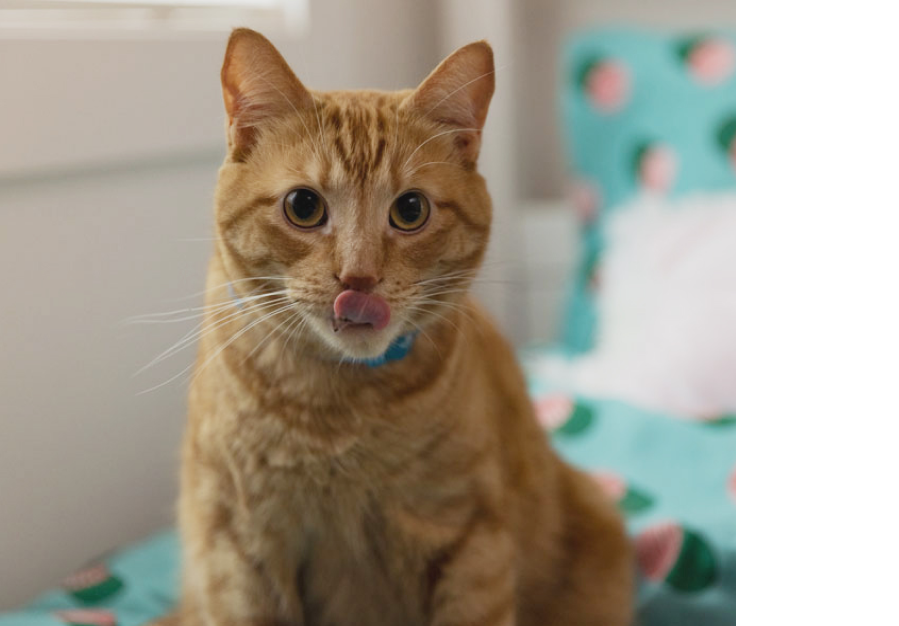
Signs your cat may have a digestive issue
The most common signs of cat stomach problems and digestive disorders are soft stools or diarrhea. You may also notice some or all of the following signs in your cat.

Signs your cat may have a digestive issue
The most common signs of cat stomach problems and digestive disorders are soft stools or diarrhea. You may also notice some or all of the following signs in your cat.
Digestive upsets can happen for a variety of reasons, and all of them can make your cat feel under the weather. Remember, that diarrhoea can be difficult to spot in cats that toilet outside. If you suspect your cat is having issues, it’s worth providing a litter tray so that you can see what’s going on. Below are some of the more common digestive problems we see in cats.
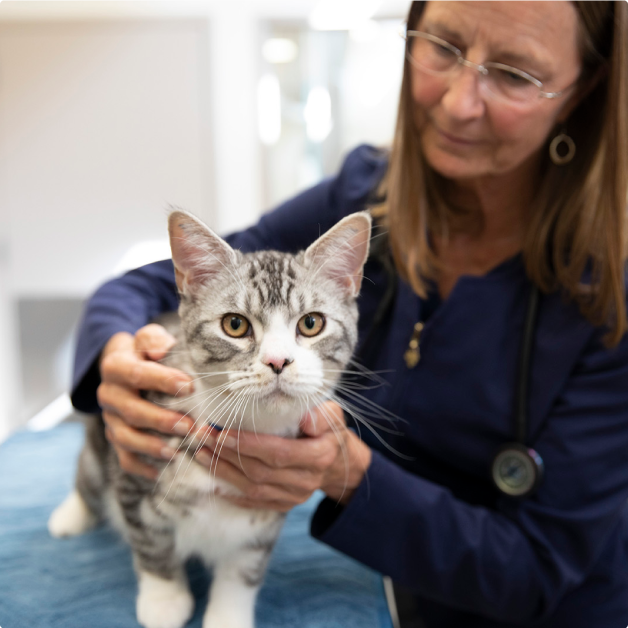
First, if you suspect your cat is suffering from a digestive disorder, talk to your vet about treatments that may be able to help. You can further help your cat by helping reduce the amount of stress triggers in their environment with some of these suggestions.
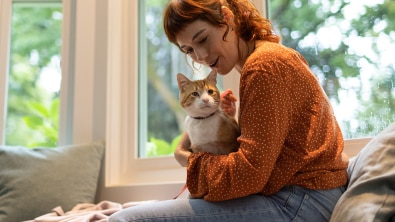
Stick with a routine
Changes to your furry friend’s environment or routine can lead to a GI upset. Providing your cat with a calm, safe environment – as well as some regular playtime – can help to reduce your cat’s anxiety.
Protecting against fleas and worms
Parasites like roundworms and hookworms can cause GI issues, so if your cat tends to explore the outdoors, make sure they have the proper preventative care.
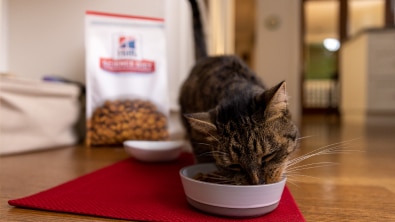
Consider their nutrition
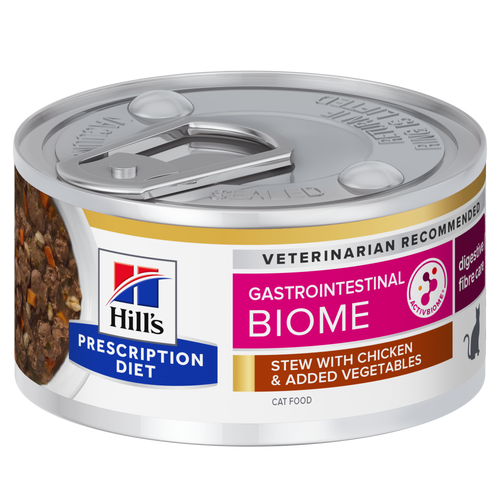
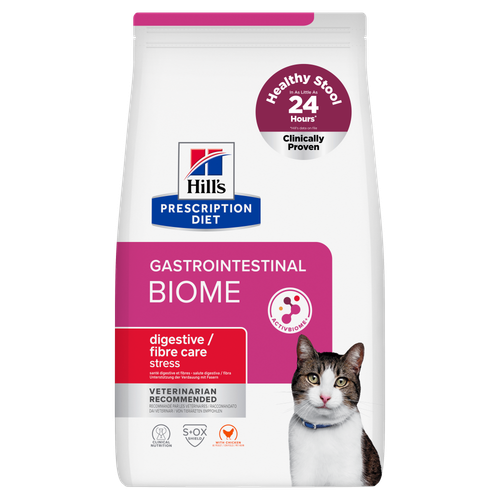
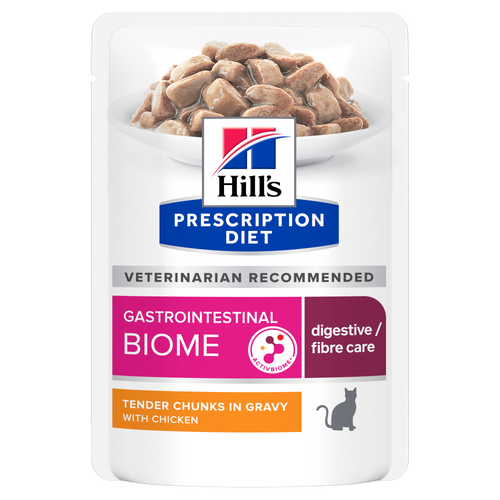
Foods made with highly digestible ingredients can be gentle on upset tummies. Ask your veterinarian about switching your cat’s food and how to do it without upsetting your cat’s stomach any further.
First, if you suspect your cat is suffering from a digestive disorder, talk to your vet about treatments that may be able to help. You can further help your cat by helping reduce the amount of stress triggers in their environment with some of these suggestions.
Stick with a routine
Changes to your furry friend’s environment or routine can lead to a GI upset. Providing your cat with a calm, safe environment – as well as some regular playtime – can help to reduce your cat’s anxiety.
Protecting against fleas and worms
Parasites like roundworms and hookworms can cause GI issues, so if your cat tends to explore the outdoors, make sure they have the proper preventative care.
Consider their nutrition
Foods made with highly digestible ingredients can be gentle on upset tummies. Ask your veterinarian about switching your cat’s food and how to do it without upsetting your cat’s stomach any further.
Related articles
Hill's Cat Foods: Nutritional Balance Just for Indoor Cats
Find the right Hill
Cats Need Good Nutrition In Order To Stay Healthy
Good nutrition is about the right balance of nutrients. Learn more about health issues when feeding a cat food that has an improper nutritional balance from your friends at Hills Pet Nutrition.
Cat Food "Made in the USA": What It Really Means
Do you know where your cat food of choice comes from? Is it truly Made in the USA? Learn about products labeled as Made in the USA.

Deciding if a Natural Food is Best for Your Cat
Understand what natural cat food really means and how to pick a high quality natural cat food for your furry friend.