


Lots of pet parents may wonder if dogs can get urinary tract infections (UTIs) and, if so, what the symptoms may be in dogs. It’s a fact that dogs, just like humans, can and do get urinary tract infections. Anyone who has experienced a urinary tract infection themselves will know just how painful this condition can be, and it’s no different for dogs. In this article we’ll look at the causes, the signs, and the symptoms that might alert you to a UTI in your dog and what you can do about it.
What causes urinary tract infections in dogs?
Before we get into the causes, it’s useful to recap what makes up the urinary tract. The upper urinary tract consists of the kidneys and the ureters. Kidneys filter the blood and produce urine. Ureters are the very narrow tubes that take urine from the kidneys to the bladder. The lower urinary tract consists of the bladder and the urethra. The bladder stores urine until it is expelled via the urethra. Male dogs have a much longer, narrower urethra than female dogs do.
UTIs happen when bacteria from outside the body get into the urethra and reach the bladder, causing infection and inflammation. This bladder inflammation is called cystitis and it’s very painful. Because female dogs’ urethras are wider and shorter, it’s easier for bacteria to get in. This is why UTIs are much more common in female dogs (and humans) than in males.
Often a UTI is just one of those things with no obvious cause, but if your dog gets repeated UTIs then it may be because they are more susceptible for some reason. This may be due to diseases or medications that lower the immune system or it may be because of an anatomical issue such as vaginal or vulval deformity.
What are the signs and symptoms of urinary tract infections in dogs?
As we said, cystitis caused by UTIs is very painful. The inflammation makes the dog feel like they really need to wee even when the bladder is quite empty. It also damages the lining of the bladder and causes bleeding. With all this in mind you’ll see why the most common signs of UTI and cystitis are;
- Frequent urination, usually only passing small amounts at a time
- Blood in the urine
- Crying or vocalising during urination
- Hunched, painful appearance
- Difficulty getting comfortable
- Licking round the vulva or penis due to pain
The bacteria that usually cause UTIs in dogs change the pH of the urine and it becomes very alkaline. It should be around 7.2 but in a UTI this goes up to 8+ quite readily. This makes it more likely to get crystals forming in the bladder called struvite crystals. These can form into bladder stones and, especially in male dogs, may cause complete blockage of the urethra if they get stuck on the way out. This is a medical emergency because a blocked bladder can cause the bladder to rupture and even cause kidney failure. If you are ever concerned that your dog is not passing urine at all you should have them seen by a vet as soon as possible.
Occasionally, bacteria get even further up and into the kidneys. This can be very serious so always act promptly if you see signs.
What is the treatment for UTIs in dogs?
Most UTIs can be quickly eliminated with a simple course of antibiotics. We live in a time where we need to be very careful not to use antibiotics if they are not necessary so your vet will want to do a urine culture and sensitivity. This is where a urine sample is sent to a lab and they will see which bacteria are responsible for the infection and what antibiotics they are sensitive or resistant to. This allows your vet to pick the most effective treatment for your individual dog. They may also want to reculture the urine at the end of the treatment to make sure all bacteria are gone.
Your vet will also give medication for the pain to provide immediate relief for your dog while the antibiotics get working. Your dog’s urine will also be tested for other things, including looking for crystals. If your dog has struvite crystals, or gets repeated issues, your vet will want to get an ultrasound or other imaging of the whole urinary tract. This is important to check for deformities and stones, including in the kidneys.
If your dog does have struvite stones or crystals they will probably want your dog to have a special therapeutic diet to lower the pH of the urine and dissolve them. It’s very important to feed this food exclusively and closely follow your vet’s advice. Always be vigilant for signs of blockage during treatment. If your vet finds a reason for repeated UTIs that will need to be addressed.
During the bout of cystitis it’s really useful if you can increase your dog’s water intake. Making the urine more dilute helps for a number of reasons. It encourages your dog to pass urine. This helps flush the bacteria out but it also means that very concentrated, strong urine isn’t continuing to damage the sensitive lining of the bladder. It also makes it much less likely for crystals and stones to form because the urine is dilute. You can do this by soaking their kibble in warm water 10-15 minutes before feeding or by feeding tinned food with added water. Tinned food can also be made into a tasty gravy to pour over kibble if you want to make it go further. Remember not to change your dog’s food without your vet’s advice.
Dog UTIs in summary
UTIs are fairly common in dogs, especially females. They are painful and can have some serious consequences if left untreated so never ignore the signs. Most can be quickly and effectively resolved and some may need a little bit more work and investigation. As with so many things, the more you know what’s normal for your dog, the sooner you’ll spot when things are not right. If ever you are in doubt, ask your vet.
Reviewed by Dr. Hein Meyer, DVM, PhD, Dipl-ECVIM-CA and Dr. Emma Milne BVSc FRCVS


Tasty Tips

Related products
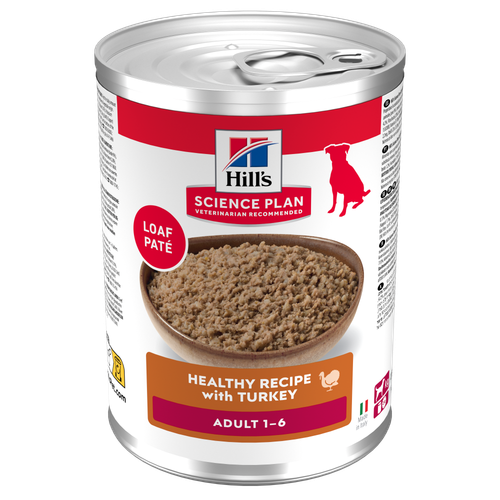
Adult Dog Food
Hill's Science Plan Adult Wet Dog Food with Turkey is a complete premium pet food for adult dogs from 1 year. This deliciously smooth minced turkey loaf is formulated to deliver the appropriate amount of energy to support the needs of adult dogs.
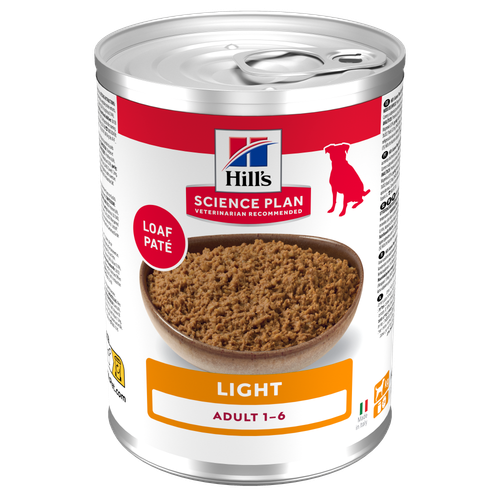
Adult Light Dog Food
Hill's Science Plan Light Adult Wet Dog Food is a complete premium pet food for adult dogs that tend to gain weight easily. This deliciously smooth loaf is formulated to deliver the appropriate amount of energy to support weight maintenance in adult dogs.
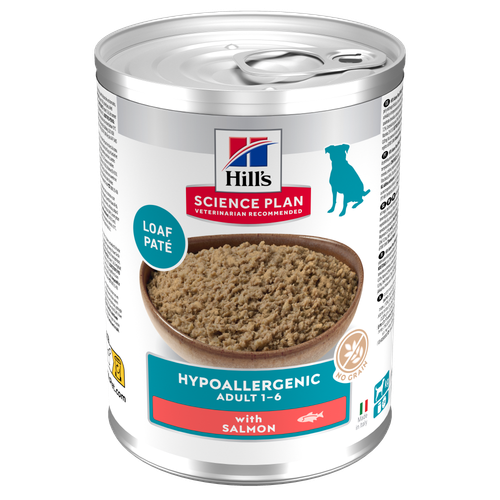
Hypoallergenic Adult Dog Food
Hill's Science Plan Hypoallergenic Adult Wet Dog Food with Salmon is a complete premium pet food for all adult dogs from 1 year. This savoury tinned loaf is specially formulated for dogs with delicate skin and stomachs. It features a single novel animal protein source and is grain-free.
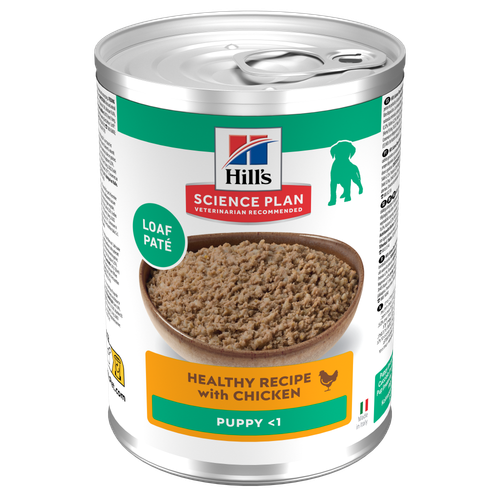
Puppy Food
Hill's Science Plan Puppy Wet Dog Food with Chicken is a complete premium pet food for growing puppies from weaning until 1 year old and for pregnant and nursing dogs. This deliciously smooth minced chicken loaf is precisely balanced to deliver the appropriate amount of energy to support the needs of growing puppies.
Related articles
Blood in Dog Urine: Causes And Treatment
Discover the causes of blood in dog urine and learn about effective treatment options to ensure your pet's health. For expert advice, visit Hill's Pet UK.

Pyoderma in Dogs: What You Need to Know
Learn what pyoderma in dogs looks like, what causes it and how nutrition & your dog's food can play a role in preventing and treating the infection.
Everything You Ever Wanted to Know About Dog Poo
Your guide to healthy dog poop and signs to watch out for that could indicate a health concern.

Dog Scooting & Recognising Anal Gland Problems
If your dog regularly scoots on the carpet, the cause may be their anal glands. Learn how to recognize issues and how you can help relieve the itch.

Put your dog on a diet without them knowing
Our low calorie formula helps you control your dog's weight. It's packed with high-quality protein for building lean muscles, and made with purposeful ingredients for a flavourful, nutritious meal. Clinically proven antioxidants, Vitamin C+E, help promote a healthy immune system.
Put your dog on a diet without them knowing
Our low calorie formula helps you control your dog's weight. It's packed with high-quality protein for building lean muscles, and made with purposeful ingredients for a flavourful, nutritious meal. Clinically proven antioxidants, Vitamin C+E, help promote a healthy immune system.