


Urinary issues in cats are a common reason for visits to the vet clinic. There are quite a few possible causes of urinary issues in cats but by far the most common cause is actually stress. Although it may seem like cats have easy lives, they can get stressed very easily, particularly if kept solely indoors or with other cats. As well as urinary issues, chronic stress can also cause gastrointestinal upsets, overgrooming and behavioural problems. As urinary issues can be one of the earliest and most obvious signs your cat is experiencing some type of stress, it is important for cat parents to know what the symptoms look like and how to help their feline friends.
How do I know if my cat has a urinary issue?
When cats are happy and healthy, they use the litter box or go outside to urinate and defecate. However, if your cat starts exhibiting any of the following behaviours, they may be experiencing bladder issues or feline lower urinary tract disease (FLUTD):
- straining when urinating
- incontinence/loss of bladder control
- urinating outside of the litter box or in the house if they usually go outside
- crying out in pain while urinating or attempting to urinate
- licking genital area
- reduced appetite
When FLUTD is due to stress, it is commonly called stress cystitis. Most cats will show the above signs when they have reached their stress limit or are having a medical issue, so some earlier signs of stress might be that your cat is hiding more, is less affectionate, has changed eating behaviour or is only either urinating or defecating in the litter box (not both). However, some cats may show signs of urinary issues and stress cystitis without any warning. As soon as a cat shows signs of urinary problems, it is important to call your veterinarian. These cases should always be examined by a vet. If your cat’s urethra becomes blocked, which is more common in male cats, it is a medical emergency, as they can rupture their bladder or go into renal failure if left untreated.


Tasty Tips
Spotting the Stressors
If your cat is showing unusual behaviour during urination or is constantly urinating outside of the litter box, it is important to identify any stressors your cat may be experiencing. When you call your vet to discuss your cat's symptoms, they may ask some questions to help you figure out what's stressing your cat, including:
- Do you have other cats in the house?
- Does your cat have access to the outside?
- When did the unusual urinary behaviours begin?
- Have you made any recent changes in food or litter?
- What other unusual behaviours are accompanying the urinary problems?
- Have there been any big changes within your household, such as a renovation, new pet (especially a cat), baby, or a death in the family?
Another thing to consider is that cats are often tuned into their pet parent's feelings, so you may want to check in with yourself, too. Have you been stressed lately? Has stress started to interrupt your daily routine? Chances are that if your daily routine has been interrupted, so has your cat's. Excessive sleeping or lack of sleep are common symptoms in humans who are stressed. When a cat notices these changes, they may start to become stressed and the symptoms could be exhibited in their urinary behaviours.
Short-Term versus long-term stress
Big changes in a cat's life, like a move or an addition of a new pet in the house, could cause temporary stress. While many cats adjust within a reasonable amount of time, some cats remain stressed, which can lead to urinary problems among others, such as overgrooming or gastrointestinal problems. If the stressor is identified quickly and can be resolved, the urinary issues may quickly subside.
More challenging sources of stress are long-term situations that may not have quick fixes and can cause more serious urinary problems. By far the most common causes of stress for cats is living with other cats and being kept exclusively indoors. For many cats, both are true!
How to treat and prevent urinary issues in cats
If your cat is experiencing stress, a visit to the vet is needed. Depending on the severity of your cat’s bladder issues, your vet may prescribe medication and/or adjust the diet with therapeutic cat food, which can help relieve some urinary issues and get them back on the path to feeling well again. Some of these therapeutic diets also contain natural ingredients to help reduce stress. In addition to prescription medication and food, your vet can also offer suggestions on how to improve your home environment to calm all the cats in your household. If you have multiple cats, you should have one more food and water bowl than the number of cats you have, and you should place them around the house so that one cat does not have to be near another to eat and drink. The same applies to litter trays, though these should be placed away from the food and water bowls.
Sometimes all you need to do is spend a little more time with your cat and give positive attention. Also, try keeping the litter box and house very clean and make sure your cat is well hydrated, which can relieve stress and reduce or eliminate the feline urinary problems. Unfortunately, for many cats, dealing with stress cystitis may take weeks or months to alleviate. It can also come and go, so sometimes you may think you’ve cracked it and it reappears. This is often due to an unexpected source of stress, such as home improvement work or lots of visitors during a holiday period. If you can try to anticipate these events, you can work with your vet on ways to reduce the impact as much as possible.
Once you identify what is causing feline urinary stress and find ways to reduce your cat's stress level, it is important to help manage the stress appropriately moving forward. Don't forget to manage your own stress, too! Another huge factor to managing your cat's stress is to provide consistency. If you know your routine will change soon or a big life change is on the horizon (a move, a new person or animal in your house, etc.), try to prepare your cat by finding items and toys they enjoy. A little extra pampering will help them feel more secure and may even distract from the changes to come. Additionally, keep the litter box very clean and find a quiet place for your cat to relax. Using plug-in pheromones around the time of potentially stressful events can also be very useful for some cats.
By preparing for stressful situations and keeping an eye out for the initial signs that your cat is becoming overwhelmed, you can help your cat avoid feline urinary problems and lead a healthier and happier life.
Reviewed by Dr. Hein Meyer, DVM, PhD, Dipl-ECVIM-CA and Dr. Emma Milne BVSc FRCVS.

Related products
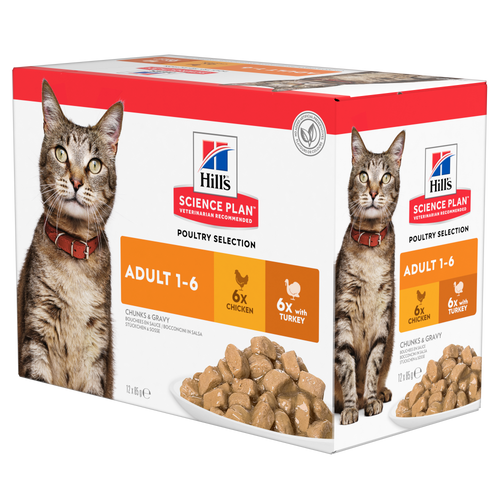
Adult Wet Cat Food with Chicken
Tender chunks in gravy for cats, with high-quality protein to maintain lean muscle. With vitamin E and omega-3s & -6s for healthy skin and balanced minerals to support healthy vital organs.
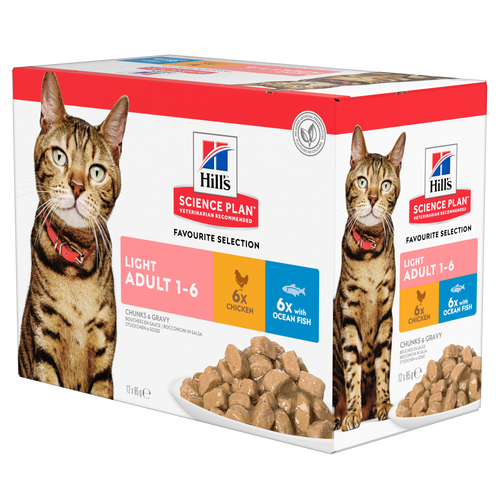
Light Adult Wet Cat Food Chicken
Tender chunks in gravy for cats, with L-carnitine and fewer calories for ideal weight management. Packed with high-quality protein, omega-6s, and vitamin E for shiny fur and healthy skin.
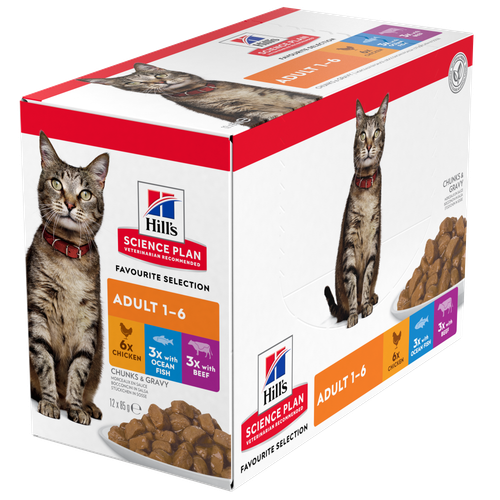
Adult Wet Cat Food with Chicken
Tender chunks in gravy for cats, with high-quality protein to maintain lean muscle. With vitamin E and omega-3s & -6s for healthy skin and balanced minerals to support healthy vital organs.
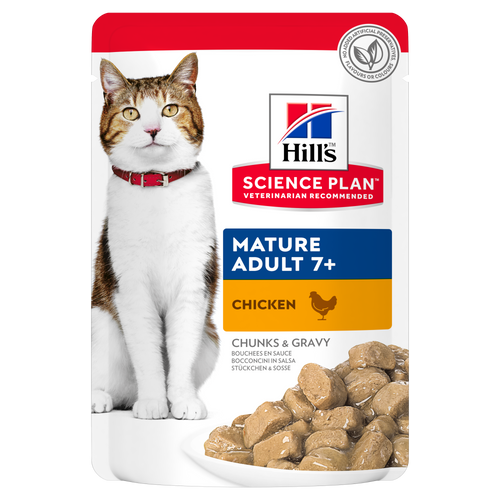
Mature Adult Wet Cat Food with Chicken
Hill's Science Plan Mature Adult Wet Cat Food Premium Chunks in Sauce with Chicken is a complete pet food for mature adult cats 7+ years old
Related articles
Hill's Cat Foods: Nutritional Balance Just for Indoor Cats
Find the right Hill
What Human Foods Can Cats And Kittens Eat?
Discover which human foods are safe for cats and kittens to enjoy. Ensure your pet's safety with our guide to healthy feeding at Hill's Pet UK.
How to Transition Your Cat to Hill's Senior Age Defying Cat Food
Making the informed decision to move your cat to Hill’s Senior 11+ Healthy Aging cat food is an important one. Transitioning your cat to a new food needs to be done the right way. Follow these simple steps for the transition.
Cats Need Good Nutrition In Order To Stay Healthy
Good nutrition is about the right balance of nutrients. Learn more about health issues when feeding a cat food that has an improper nutritional balance from your friends at Hills Pet Nutrition.
Put your cat on a diet without them knowing
Our low calorie formula helps you control your cat's weight. It's packed with high-quality protein for building lean muscles, and made with purposeful ingredients for a flavourful, nutritious meal. Clinically proven antioxidants, Vitamin C+E, help promote a healthy immune system.
Put your cat on a diet without them knowing
Our low calorie formula helps you control your cat's weight. It's packed with high-quality protein for building lean muscles, and made with purposeful ingredients for a flavourful, nutritious meal. Clinically proven antioxidants, Vitamin C+E, help promote a healthy immune system.