


Arthritis is very common in dogs. According to Canine Arthritis Management, it affects over 80% of older dogs and may affect up to 35% of dogs of other ages. The proper name for it is osteoarthritis and it’s a major cause of chronic pain in humans and dogs alike. Although some dogs have obvious signs of pain, early on in the process the signs and symptoms of dog arthritis can be subtle and may even just be slight behavioural differences. In this article, we’ll look at everything you need to know about arthritis in dogs, from signs, to causes, management, and how else you can help improve the lives of dogs with arthritis in your home.
What is arthritis in dogs?
Any word that ends in -itis means inflammation. Osteoarthritis is inflammation of the joints. In a normal, healthy joint, the surface of the bones are smooth and covered in thick cartilage. The joint is filled with a viscous fluid that, with the cartilage, acts as a shock absorber and lubricant, much like a well-oiled machine. In arthritis, new spiky bone is formed around the joint, the cartilage becomes thin and worn and the joint fluid becomes watery. All of this together becomes a vicious circle of ongoing damage. This is why early diagnosis and treatment is so important, so that the condition can be caught before the joints are too far gone.
What are the causes and risk factors for arthritis in dogs?
Most often occurring in older dogs, arthritis is simply from years of wear and tear, but there are also other very specific causes and risk factors for arthritis.
Age. As mentioned, most arthritis in dogs is seen in older animals, but very young animals may also get it due to developmental problems.
Breed.
Inherited disease. Some breeds have high levels of inherited disease such as hip and elbow problems. These include Labradors, retrievers, Bernese mountain dogs and bulldogs, to name just a few.
Size. In general, large and giant breeds are more prone to joint issues because of their sheer skeletal size and weight.
Shape. Some breeds, like dachshunds and Jack Russells, have been bred to have very short, twisted legs. In legs like this, the joints don’t line up properly, and this can put an abnormal load on the joints, leading to damage.
Weight. Overweight dogs put more strain on their bodies, including their joints. Keeping your dog slim from puppyhood to old age is one of the best things you can do for their health and lifespan.
Injuries. One-off injuries such as a road traffic accident can also cause arthritis.
Repetitive exercise. Dogs that do lots of agility or hours of repetitive fetching games will have more abnormal strain on their joints than dogs that are exercised more naturally.
Infectious or immune-mediated arthritis. This is much rarer but can happen.


Tasty Tips
What are the signs of arthritis in dogs?
The most common signs of arthritis in dogs are:
- Stiffness, especially on getting up after a period of rest.
- Limping
- Reluctance to go up and down stairs
- Reluctance to jump, e.g. into the car or onto the settee
- Being fearful of slippery floors such as laminates or tiles
- Unusual aggression when touched or approached
- Standing or sitting in an odd position
- Shifting weight from one leg to another
As you can see, some of these signs could be very easy to miss, and as always, the more you know what’s normal for your dog, the earlier you will spot signs of problems. Also, do bear in mind that dogs can have flare-ups of arthritis, for example, after a very long unaccustomed walk.
When should you see your vet?
The short answer is, the sooner the better. Arthritis really is one of those conditions where the earlier you find out what’s going on, the better you can support your dog. Fundamentally, we don’t want our dogs to be in pain. Many vets hear pet parents say things like, “He’s not in pain, he just limps occasionally.” Such dogs most certainly are in pain and are probably in pain all the time, only limping when they’re feeling even worse. If you notice any of the signs above, please see your vet as soon as you can.
How is arthritis in dogs diagnosed and treated?
Diagnosis
All diagnostic processes start with a thorough history and a head-to-tail physical examination. Your vet will want to palpate your dog’s limbs and back and flex and extend all their joints to see if there is obvious swelling, laxity, heat or pain. They will also make sure there is nothing else obviously wrong. After this, your vet may want to perform some or all of the following:
- Joint taps to get fluid samples
- Joint endoscopy
- Radiographs (x-rays)
- CT or MRI scans
- Blood and urine tests to check for underlying disease or comorbidities
Management of arthritis in dogs and lifestyle changes
Managing arthritis is best done using lots of different modalities which all come together to hopefully keep your dog as pain-free as possible. Your vet will help you make the best plan for your individual dog, and management may consist of any or all of the following:
- Medication. There are many medications available that work in different ways to control chronic pain and reduce inflammation.
- Physiotherapy and hydrotherapy. These are really helpful for keeping dogs with arthritis mobile.
- Nutrition or supplements. Omega-3 fatty acids are important natural anti-inflammatories and aid joint health. Some dietetic foods are prepared specifically with very high levels of omega-3s to help preserve joint cartilage and improve mobility. Always speak to your vet before starting your dog on a new food.
- Environmental modification. Have a close look at your house and consider where you can provide non-slip flooring or mats, install ramps and think about extra comfortable bedding.
- Exercise and weight loss. Your vet may recommend a weight-loss diet and regime. Dogs with arthritis do better with short, frequent walks rather than occasional long ones.
- Surgery. There are also surgical options for dogs with joint issues, including total joint replacements. Not all dogs will be candidates, but it may be an option, especially in younger dogs.
Can arthritis in dogs be prevented?
Wear and tear gets to us all, and now that dogs are living so much longer, a degree of arthritic change in older dogs is almost inevitable. However, there are things to bear in mind for preventive health screening. There are many different tests available for breeding animals to help to try to reduce the level of inherited skeletal disease. If you are buying a breed of puppy known to be at risk for inherited skeletal disease, it is important to ensure the breeder utilizes these screening tests and is open to sharing the results.
- Nutrition during growth. Make sure you are feeding your puppy a premium puppy food that is appropriate for the size they will be as an adult. Poor nutrition during growth can be catastrophic for joints.
- Choose proportioned dogs. Avoid breeds at the extreme ends of weight or size, and you’ll have a better chance of your dog having straight limbs that work as expected.
- Weight. As mentioned previously, keeping your dog slim for life is the best thing you can do to keep arthritis and many other health issues at bay.
- Avoid excessive fetching or highly repetitive exercise.
Don’t worry too much
Although arthritis is common, there are so many ways we can help our affected dogs these days. Do your best to choose your dog and their breeder/breed wisely. Keep your dog slim right from the word go, and be vigilant for signs of pain as they age. Follow the tips for prevention and seek veterinary advice as soon as you have the slightest concern. With help from you and your veterinary team, your dog will be as pain-free and happy as possible.
Frequently asked questions about dog arthritis
How to help a dog with arthritis at home?
Have a look at your house to see where you can make life easier for your dog. Slippery floors can cause fear and pain, so look into non-slip mats or rugs. Think about ramps to help with stairs and getting in the car. Make sure their beds are thick, warm and comfortable
How to relieve dog arthritis?
Speak to your vet. They will be able to suggest medication and physiotherapy to help your dog. They may also suggest a change of food. Make sure your dog isn’t overweight.
What to give a dog with arthritis?
Nothing without the say-so of your vet. Human pain medications can be very dangerous in animals. It’s best to see your vet and get a licensed drug at the correct dose for your individual dog.
How to prevent dog arthritis?
Choose your dog and the breeder wisely in the first place. Make sure the parents’ health has been tested. Feed your puppy premium puppy food for healthy growth. Keep your dog slim for life and you will be ahead of the game when it comes to their joint health.
Can food help a dog with arthritis?
Yes. There are foods available to help support a dog's mobility and preserve joint cartilage. They can also help keep them slim. These foods can make a big difference and may mean lower doses of medications are needed.
Reviewed by Becky Mullis, DVM, DACVIM (Nutrition), and Dr Emma Milne BVSc DipECAWBM(Hon) FRCVS.

Related products
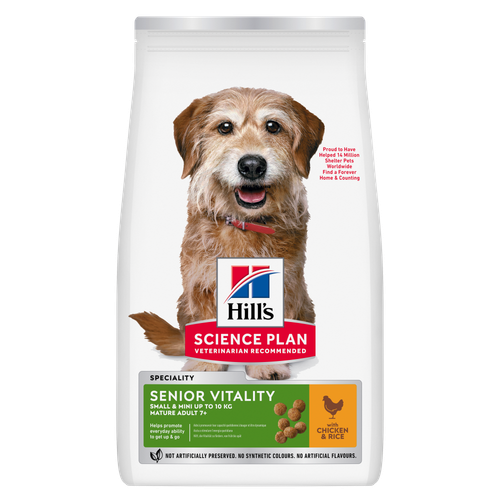
Senior Vitality Small & Mini Mature Adult Dog Food
Hill's Science Plan Senior Vitality Small & Mini Breed Dog Food with Chicken. Our breakthrough formula helps promote your senior dog's everyday ability to get up & go.
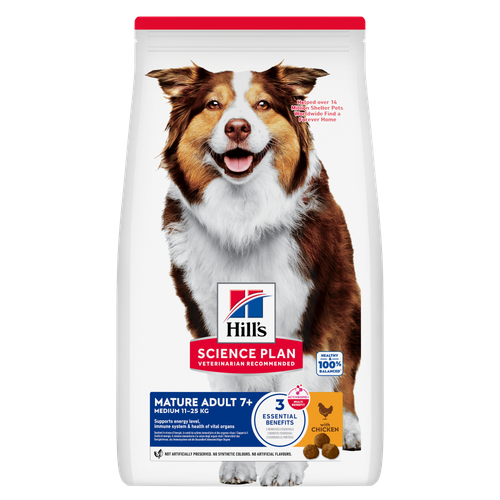
Medium Mature Adult Dog Food
Hill's Science Plan Medium Breed Mature Adult Dog Food with Chicken is a complete pet food, specially formulated with ActivBiome+ Multi-Benefit Technology.
This food is specifically designed for the needs of ageing medium breed dogs.
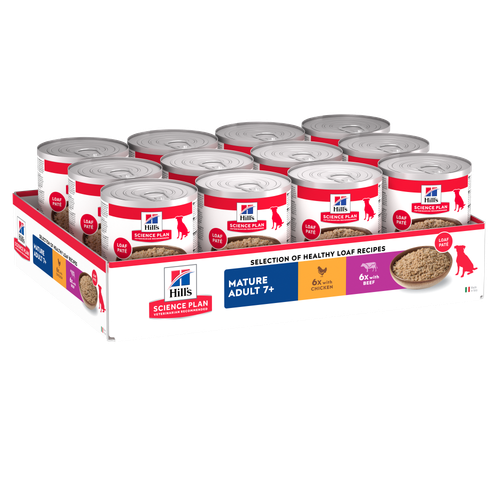
Mature Adult Dog Food
Hill's Science Plan Mature Adult Multipack Wet Dog Food with Chicken & Beef are complete premium pet foods for mature adult dogs from 7 years. Your dog will love these deliciously smooth and savoury minced loaves, formulated to deliver the appropriate amount of energy to support the needs of adult dogs.
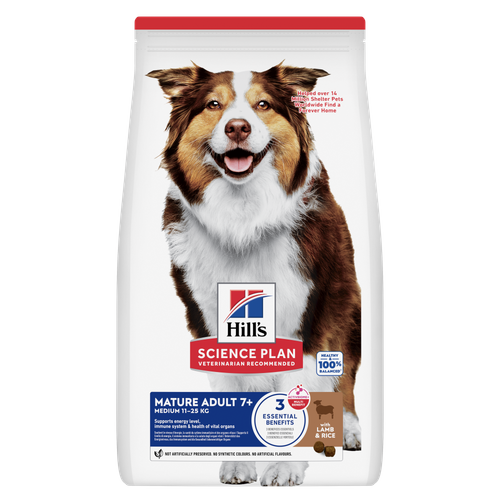
Medium Mature Adult Dog Food
Hill's Science Plan Medium Breed Mature Adult Dog Food with Lamb & Rice is a complete pet food, specially formulated with ActivBiome+ Multi-Benefit Technology.
This food is specifically designed for the ageing needs of medium dogs.Related articles

Senior Dog Exercise: How to Help When Your Dog Is Struggling to Walk
Discover kind, vet-approved ways to keep your senior dog moving comfortably. Learn how gentle exercise can help when your dog struggles to walk.

Helping Senior Dogs and Cats with Incontinence: Causes and Solutions
Learn why senior dogs and cats develop incontinence, the signs to watch for and how bladder control problems can be treated and managed with care and support.
Caring for a Senior Dog: Physical and Mental Changes to Watch For
Learn the physical and mental signs of aging in dogs and how to keep your senior pet happy and healthy
Is Senior Dog Food Necessary? Understanding the Difference Between Senior, Mature and Adult Dog Foods
Learn why senior dog food is necessary, how it differs from adult formulas, and when to switch to support your dog’s ageing health and vitality.

Put your dog on a diet without them knowing
Our low calorie formula helps you control your dog's weight. It's packed with high-quality protein for building lean muscles, and made with purposeful ingredients for a flavourful, nutritious meal. Clinically proven antioxidants, Vitamin C+E, help promote a healthy immune system.
Put your dog on a diet without them knowing
Our low calorie formula helps you control your dog's weight. It's packed with high-quality protein for building lean muscles, and made with purposeful ingredients for a flavourful, nutritious meal. Clinically proven antioxidants, Vitamin C+E, help promote a healthy immune system.