


Pancreatitis in cats is an inflammatory condition of the pancreas. But what does a pancreas do, anyway? What causes it to become inflamed? Even though the condition is relatively rare, learning to spot the signs of feline pancreatitis could be important for your cat's health.
Spotting the signs of feline pancreatitis
The pancreas is a small organ tucked between your cat's stomach and intestines. This organ has two functions: producing hormones called insulin and glucagon that regulate blood sugar, and making digestive enzymes that help to break down fat, protein and carbohydrates in the small intestines.
There are, broadly speaking, four main problems that can arise in the pancreas:
- Pancreatitis. This is inflammation of the pancreas where the damaged cells leak enzymes. These enzymes can be destructive to the pancreas and surrounding tissues, causing pain and potentially leading to widespread tissue damage. In the rest of this article, we will mainly be talking about pancreatitis.
- Diabetes mellitus. This is a disease affecting the endocrine cells of the pancreas. There are two types of diabetes: one where the body’s immune system kills the cells that produce insulin (much more common in dogs and humans than in cats), and one related to obesity and a resistance to insulin, as well as reduced production of insulin. The latter is reversible in some cases.
- Exocrine pancreatic insufficiency (EPI). This is where the pancreas does not produce enough of the enzymes needed to break down nutrients in the small bowel, particularly fats. Animals with EPI tend to be very hungry but struggle to keep weight on. EPI is very rare in cats.
- Cancer. Just as with any body system, cancer can occur in the pancreas too.
The wide range of jobs that the pancreas performs means that the signs of a pancreatic problem often mimic other medical conditions. Some of those signs include:
- Lethargy.
- Dehydration.
- Increased thirst and urination (which are easily mistaken for signs of diabetes).
- Poor appetite or refusing to eat.
- Weight loss.
Vomiting and abdominal pain can also be signs of the condition, but these signs are more common in people and dogs with pancreatitis than in cats. Cats that stop eating due to pancreatitis (or any cause of appetite loss) are at risk of developing fatty liver disease (hepatic lipidosis). These cats can also show signs of jaundice like yellow gums and eyes, notes Pet Health Network. Even vague symptoms like lethargy and decreased appetite should warrant a trip to the veterinarian. Hepatic lipidosis is a serious condition and can be rapidly fatal, so any time your cat stops eating, they should have prompt veterinary attention and may require hospitalisation. The earlier the signs are spotted and treatment begins, the better your cat's prognosis may be.


Tasty Tips
What causes feline pancreatitis?
The exact cause of most feline pancreatitis cases is unknown. However, the condition has been associated with cats ingesting poisons, contracting parasitic infections or experiencing trauma like a car accident.
In the cat, the pancreas, liver and intestines have a slightly different anatomy to the dog, and tend to affect each other more. With this in mind, cats often develop pancreatitis alongside inflammatory bowel disease or cholangiohepatitis, a common disease involving inflammation in the liver. This is called triaditis because of the three components. In dogs, there is a link between excessively fatty foods and pancreatitis, whereas fat is not thought to be a trigger for cats.
Diagnosing pancreatitis in cats
Pancreatitis in cats is divided into two categories: acute (sudden) or chronic (ongoing). Each type may be mild or severe. Some cats, frustratingly, can also have intermittent flares of pancreatitis. The World Small Animal Veterinary Association notes that there is a disparity between the number of cats who live with feline pancreatitis and the number who are actually diagnosed and treated. This is mainly because cats with mild cases may show very few signs of the disease. Symptoms that don't seem specific to a disease may not prompt a pet parent to schedule a veterinary visit. Feline pancreatitis is also not easy to definitively diagnose without an ultrasound. It can even be difficult to spot on an ultrasound and sometimes requires a specialist and possibly even a biopsy.
Fortunately, veterinary scientists are continuing to improve the diagnostic tools available. The serum feline pancreatic lipase immunoreactivity (fPLI) test is a simple non-invasive blood test that looks for markers of pancreatitis. The serum feline trypsin-like immunoreactivity (fTLI) test is not as reliable as the fPLI for diagnosing pancreatitis, but it can help identify exocrine pancreatic insufficiency, a disease that the Merck MSD Veterinary Manual notes cats with chronic feline pancreatitis can develop.
Despite the improved diagnostic tools, often the diagnosis 'feline pancreatitis' remains a so-called presumptive diagnosis, because your vet can't know for sure from the outside (unless a biopsy of pancreatic tissue is taken, which is rarely done).
Treating feline pancreatitis: emergency care
Acute feline pancreatitis poses the most serious risk and nearly always requires hospitalisation. Chronic pancreatitis, depending on the severity of your cat's case, might require periodic hospital trips but can often be managed at home.
While hospitalised, your cat will be given intravenous fluids. These are essential for most hospitalised patients to keep the body hydrated and help keep minerals such as sodium and potassium balanced, especially if your cat is vomiting. Your cat might be given antibiotics to minimise risk of suppurative (infectious) pancreatitis. Hospital vets will also provide your cat with pain relief, as well as anti-nausea medicine if needed. Reducing nausea and providing pain relief may help them regain their appetite much more quickly. Because of the risk of fatty liver disease when cats go off their food, your cat might have a feeding tube placed so that your vet can make sure they are properly nourished. This might be done via the nose or, if a larger tube is needed, straight into the oesophagus.
Feeding your cat during recovery
Your vet will send your cat home when they are happy that the cat is either eating enough on its own, or you are equipped to feed your cat by other means, such as the feeding tubes we mentioned earlier..
There are various kinds of feeding tubes. One common type fits into a soft collar that lets your cat move and play normally under supervision. Your vet will discuss the various options and teach you how to administer food, water and medications through the tube. Although tubes may look intimidating and painful, they are relatively easy to use, gentle on your cat and extremely important in delivering critical calories and nutrients.
Your vet will make sure you have exactly the right food for your cat. This needs to be highly digestible and may need to be a therapeutic food that also helps with bowel or liver disease. Make sure you follow your vet’s feeding guidelines very closely as excellent nutrition is paramount in overcoming this condition.
Although severe cases of feline pancreatitis require hospital stays and specialised care, many forms of feline pancreatitis are mild and non-threatening. Learning how to spot the signs of a problem and acting quickly is the best way to keep your cat healthy. Even cats who develop additional problems like exocrine pancreatic insufficiency or diabetes mellitus are capable of living long and happy lives with the proper care.
Reviewed by Dr. Hein Meyer, DVM, PhD, Dipl-ECVIM-CA and Dr. Emma Milne BVSc FRCVS

Related products
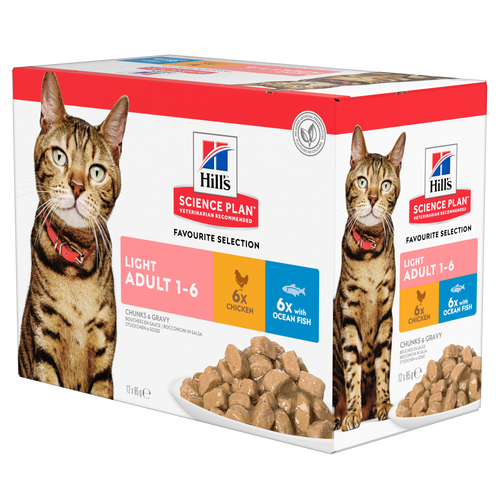
Light Adult Wet Cat Food Chicken
Tender chunks in gravy for cats, with L-carnitine and fewer calories for ideal weight management. Packed with high-quality protein, omega-6s, and vitamin E for shiny fur and healthy skin.
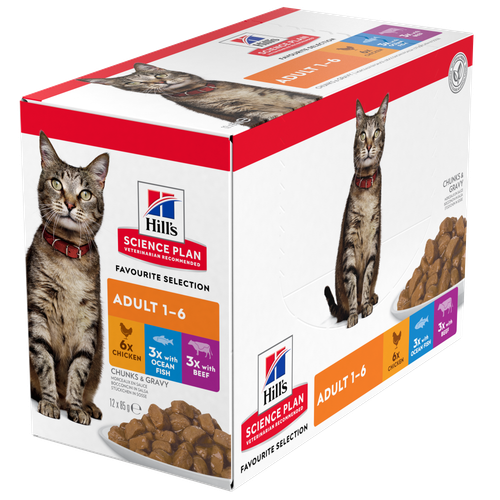
Adult Wet Cat Food with Chicken
Tender chunks in gravy for cats, with high-quality protein to maintain lean muscle. With vitamin E and omega-3s & -6s for healthy skin and balanced minerals to support healthy vital organs.
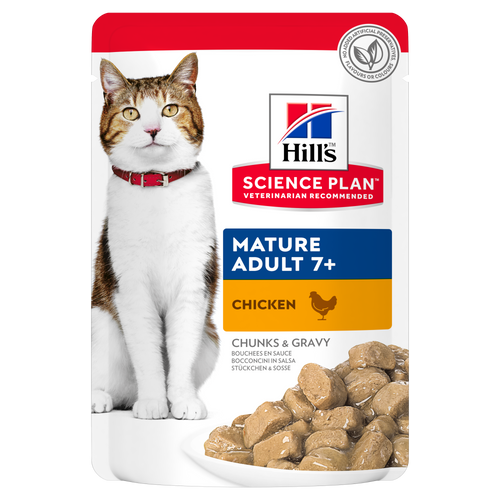
Mature Adult Wet Cat Food with Chicken
Hill's Science Plan Mature Adult Wet Cat Food Premium Chunks in Sauce with Chicken is a complete pet food for mature adult cats 7+ years old
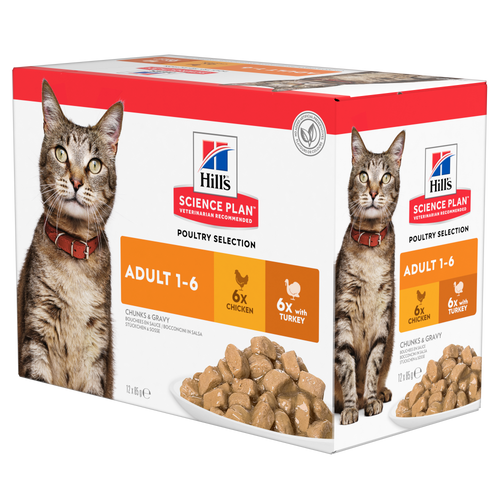
Adult Wet Cat Food with Chicken
Tender chunks in gravy for cats, with high-quality protein to maintain lean muscle. With vitamin E and omega-3s & -6s for healthy skin and balanced minerals to support healthy vital organs.
Related articles
FLUTD And Urinary Tract Infections in Cats
Learn about FLUTD and urinary tract infections in cats, including their symptoms, causes, and treatments. Visit Hill's Pet UK for expert cat care guidance.
Why is my Cat Peeing Blood?
Learn about the potential causes and treatments of your cat peeing blood and when to seek vestiary care. For expert care advice on cat health, visit Hill's Pet.
Kidney Disease in Cats: Causes, Signs & Treatments
Learn about the causes, symptoms, and treatment options of kidney disease in cats. For expert advice on managing your cat’s kidney health, visit Hill's Pet UK
A Guide to Neutering: Spaying or Castrating Your Cat or Kitten
Explore our guide to neutering, spaying or castrating your cat or kitten, including any effects and health benefits . For expert advice, visit Hill's Pet UK.
Put your cat on a diet without them knowing
Our low calorie formula helps you control your cat's weight. It's packed with high-quality protein for building lean muscles, and made with purposeful ingredients for a flavourful, nutritious meal. Clinically proven antioxidants, Vitamin C+E, help promote a healthy immune system.
Put your cat on a diet without them knowing
Our low calorie formula helps you control your cat's weight. It's packed with high-quality protein for building lean muscles, and made with purposeful ingredients for a flavourful, nutritious meal. Clinically proven antioxidants, Vitamin C+E, help promote a healthy immune system.