


Concerned that your cat is not eating? It can be hard to tell a picky eating episode from a serious health issue. A change in your cat's routine is a concern, but figuring out the cause is the first step to getting your cat eating again.
Why Isn't My Cat Eating?
Truth: Your cat loves to eat. It's up there on their list of favourite activities, along with sleeping, playing and trying to get their pet parents' attention. But eating is also a basic element of survival, without which your cat's health may rapidly decline.
Changes in Food
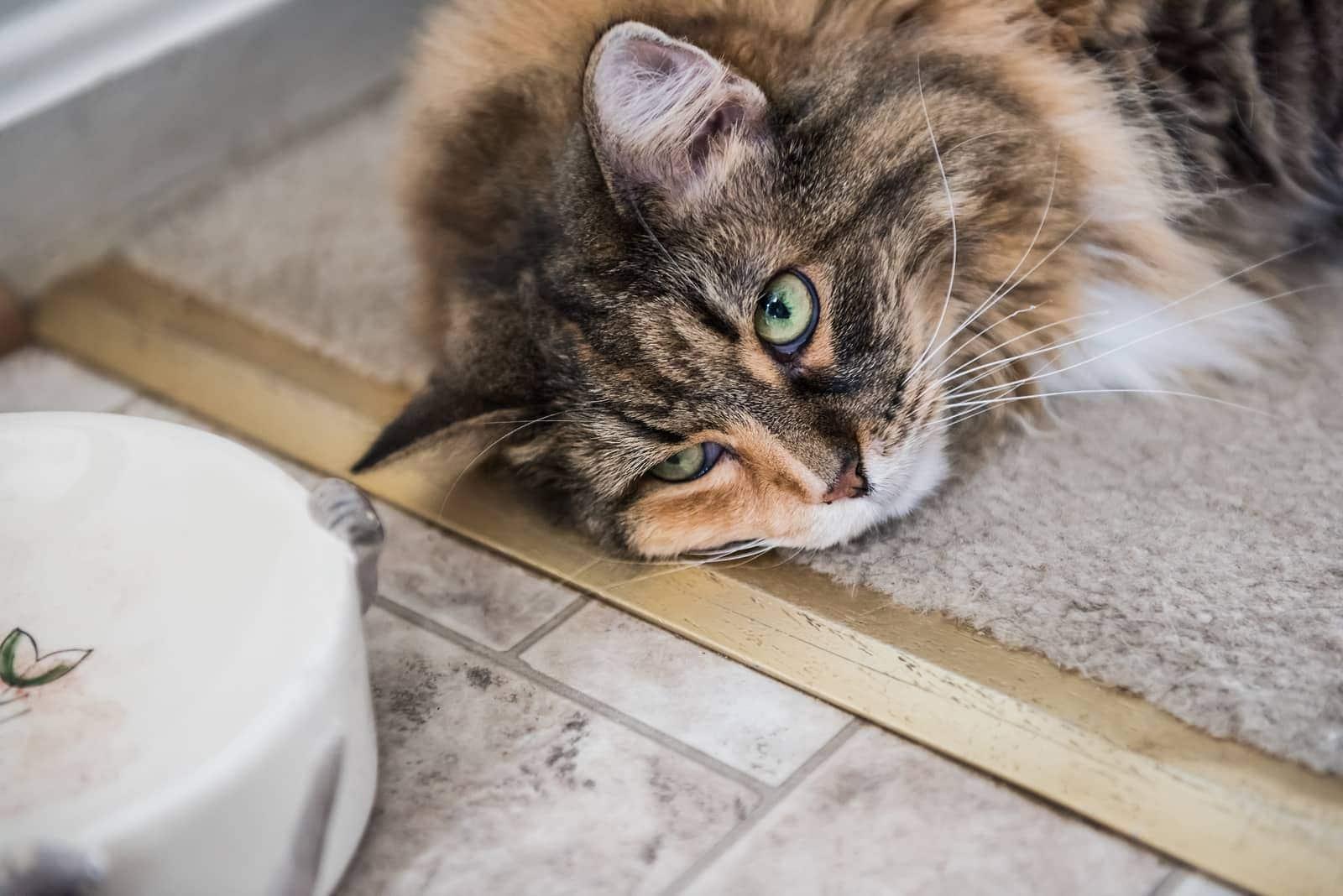
Cats are creatures of habit and will typically resist change, especially to their meal plans. Have you recently changed your cat's food? Maybe they are stubbornly refusing to try a new flavour. Cats can take a while to accept new foods, so a slow transition is generally recommended. Your kitty can't go too long without eating, so if they don’t eat for 24 hours, even after offering the old food again, it's time to explore other possibilities for why they're not eating.
Environmental Stress
Your cat's stubbornness can pop up if they are unhappy with their surroundings. According to the Battersea Dogs & Cats Home, cats are very sensitive creatures and a poor appetite is one sign that your cat might be stressed. Possible causes include:
-
A big change, like a new house, baby or pet.
-
Disruption to your cat's normal routine.
-
Guests, unfamiliar people or excessive noise in the home.
If you know these types of things stress your cat, talk to your veterinarian about ways to help your cat relax.
Possible Illness
Digestive issues, such as constipation, colitis and inflammatory bowel disease (or chronic enteropathy), are stressful on your cat's body, leading to loss of appetite, gas, vomiting and diarrhoea. Other underlying illnesses that may affect appetite include kidney disease and dental problems. The PDSA explains that problems like gum disease are painful and can discourage cats from eating, so be sure your veterinarian includes a comprehensive dental exam during every checkup.
Only a vet can diagnose an illness, so contact your vet's office right away with any unusual or significant health changes. You should also take your cat in for a dental checkup if they're refusing dry food or favouring one side of the mouth when chewing.


Tasty Tips
How to Get a Cat to Eat
If your cat is snubbing meals, try expanding their options, exploring new flavour combinations or offering a new form. When trying out new foods, do so gradually to help your cat to acclimate to new flavours and textures. If your cat is reluctant to try a new food, you can try adding a small amount of broth to the dry food or warming the canned food.
International Cat Care advises against forcing your cat to eat or force-feeding with a syringe, as this can create a negative association with eating that can make your cat's appetite problems worse. Instead, they offer lots of ideas for encouraging your cat to eat.
If your cat becomes stressed easily, it's important to think about preparing your cat for parties at your house and planning ahead for introducing them to a new furry friend, which will help them cope with lifestyle changes.
In addition to what your cat eats, take into account where they dine. In their Code of Practice for the Welfare of Cats, the UK Government's Canine & Feline Sector Group warns that cats will not eat if their food is too close to their litter tray. You should also try to position the food bowl away from other animals, in a clean, quiet area with little traffic. Seemingly minor changes can stress out your kitty, so create dedicated cat feeding areas in your house.
When Should I Call the Vet?
Here's a good rule of thumb for pet parents: when in doubt, call your vet.
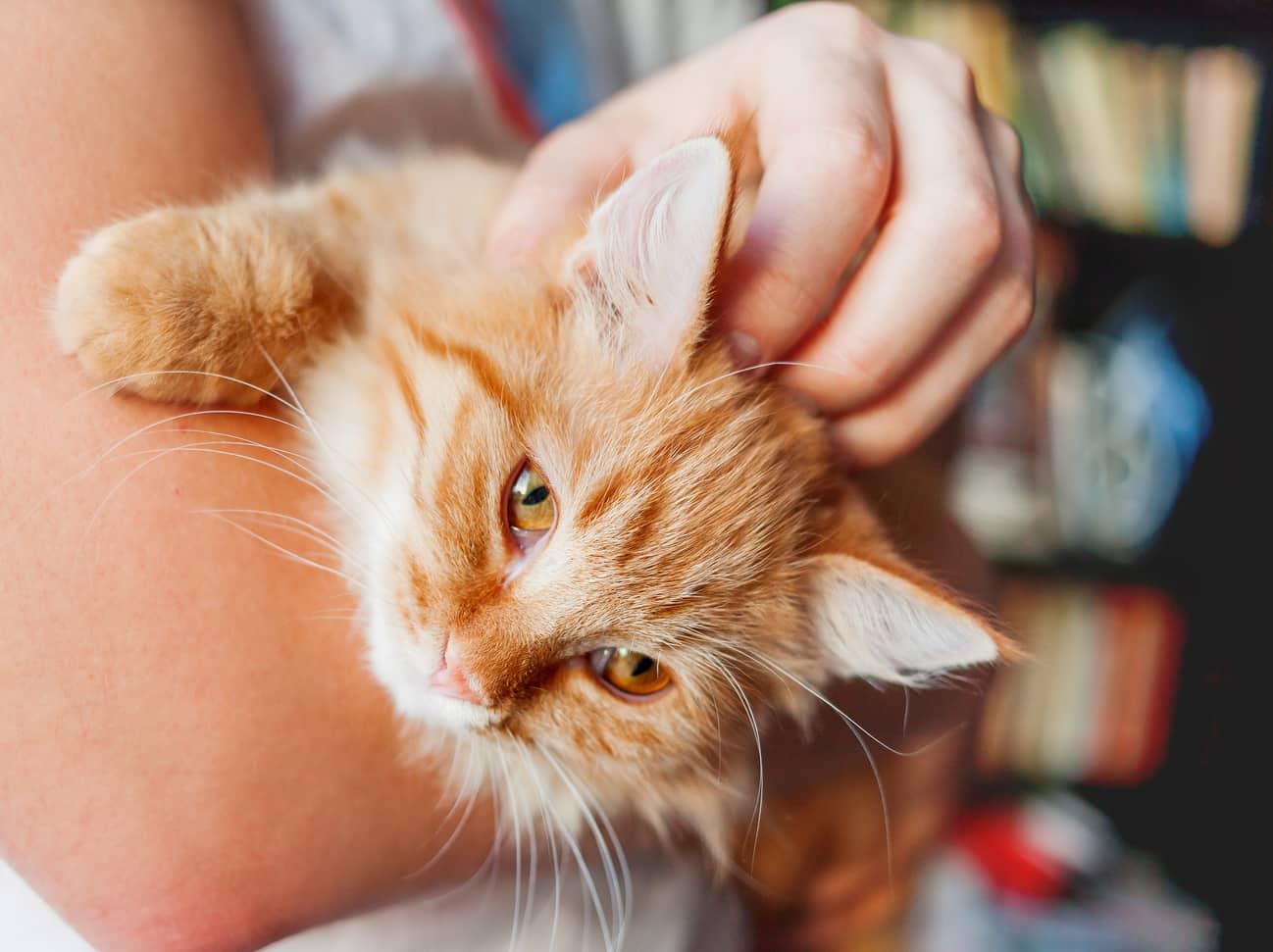
You and the vet share the goal of keeping your furry friend in tip-top shape, and it's better to err on the side of caution. Contact the vet as soon as you notice a change, whether sudden or gradual, in your cat's behaviour. Questioning why your cat isn't eating is important, especially if it's been more than a day since the last meal. If your kitty does need treatment, the earlier you get started, the better.
Now that you know some causes for appetite loss and how to get a cat to eat, you can take an active role in helping your feline pal get back on the path to full health.

Related products
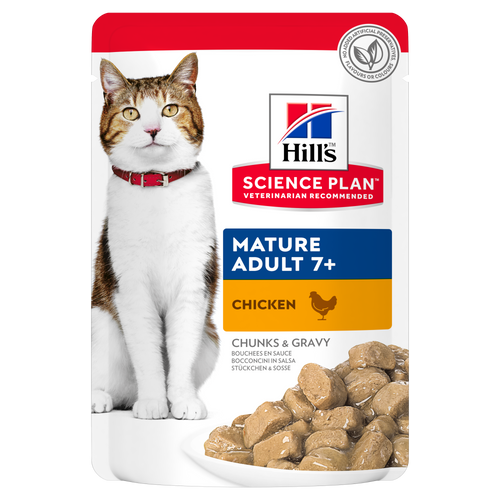
Mature Adult Wet Cat Food with Chicken
Hill's Science Plan Mature Adult Wet Cat Food Premium Chunks in Sauce with Chicken is a complete pet food for mature adult cats 7+ years old
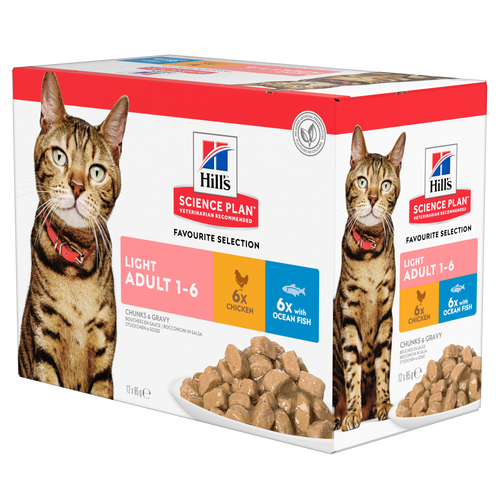
Light Adult Wet Cat Food Chicken
Tender chunks in gravy for cats, with L-carnitine and fewer calories for ideal weight management. Packed with high-quality protein, omega-6s, and vitamin E for shiny fur and healthy skin.
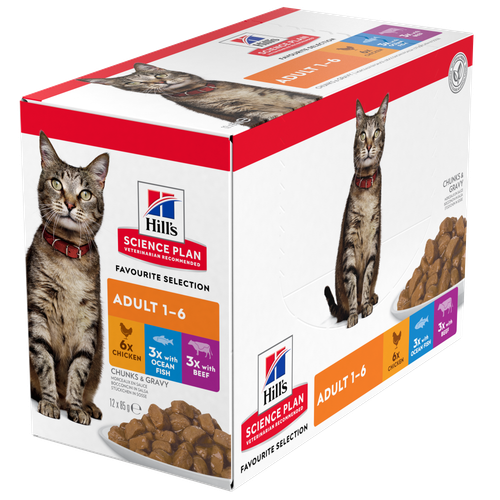
Adult Wet Cat Food with Chicken
Tender chunks in gravy for cats, with high-quality protein to maintain lean muscle. With vitamin E and omega-3s & -6s for healthy skin and balanced minerals to support healthy vital organs.
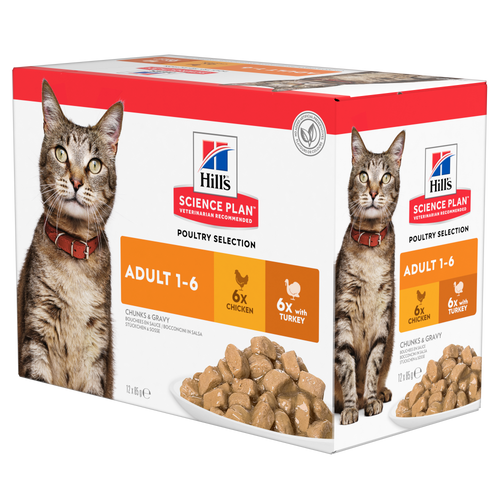
Adult Wet Cat Food with Chicken
Tender chunks in gravy for cats, with high-quality protein to maintain lean muscle. With vitamin E and omega-3s & -6s for healthy skin and balanced minerals to support healthy vital organs.
Related articles
Cat Not Drinking Water: Is Your Cat Dehydrated?
Understand the signs of dehydration in cats and what to do if your cat isn't drinking enough water. For expert hydration tips, visit Hill's Pet UK.
Tips for Feeding A Fussy Eating Cat
Discover practical tips for feeding a fussy eating cat to ensure they get the nutrition they need. For more feeding advice for picky cats, visit Hill's Pet UK.

Why Do Cats Try to Eat Plastic?
You may wonder why your cat loves chewing & eating all kinds of plastic. Find out why she's fascinated by these items and what you can do to discourage it.

Meal Feeding vs. Free Feeding Cats: What's Best?
It's important to feed your mature cat the right amount of food at proper intervals, but this can be tricky -- it is also worth remembering that feeding requirements can vary greatly from one cat to another.
Put your cat on a diet without them knowing
Our low calorie formula helps you control your cat's weight. It's packed with high-quality protein for building lean muscles, and made with purposeful ingredients for a flavourful, nutritious meal. Clinically proven antioxidants, Vitamin C+E, help promote a healthy immune system.
Put your cat on a diet without them knowing
Our low calorie formula helps you control your cat's weight. It's packed with high-quality protein for building lean muscles, and made with purposeful ingredients for a flavourful, nutritious meal. Clinically proven antioxidants, Vitamin C+E, help promote a healthy immune system.