


Worrying about the stress of vet visits is a familiar feeling for cat parents. Cats are creatures of routine. They are territorial and naturally afraid of strangers and unfamiliar places. Vet clinics smell very different from home and may be full of dogs and the sounds of barking from the kennels – you can imagine why a cat may find this stressful.
That said, regular veterinary care is essential for all our animals to ensure they stay as healthy as possible, so vet visits are an inevitable part of your cat’s life. In this article, we’ll look at all the ways you can make your cat’s vet visits as stress-free as possible.
Choosing your cat’s vet clinic
So much that we, as pet parents, can do to help our cats be happy and healthy starts before you even get your cat. Choosing a kitten from a calm, well-natured mother and a good breeder is ideal, but your choice of vet is also important. There are two main things to consider here:
Travel times
Going in the car is a daily experience for many dogs, but for most cats it’s a yearly event, so they find it very stressful. The shorter you can make those journeys, the better. Try to choose the closest clinic that you feel happy with.
Are they ‘cat-friendly’?
There can be differences between practices that are specifically set up for cats and those with a more general focus. The organisation International Cat Care (iCatCare) runs a cat-friendly clinic scheme with tiers of how cat-friendly they are. These clinics will have things like separate waiting areas and wards for cats, so they are far from the sight and sound of dogs. They also take extra time for the consultations to let your cat adjust to the environment and use the least stressful handling techniques possible. There are also a growing number of clinics these days that only see cats.
If you can find a clinic that is a good compromise between being cat-friendly and close to home, you will have made a great step in the right direction.


Tasty Tips
The importance of your cat carrier
There are several things to consider when it comes to a good cat carrier and how you use it. Never take your cat in the car or to the vet without a carrier. This is incredibly risky and may result in injury or escape if they get frightened. It is also a major risk for car accidents if your cat tries to hide in the footwell by the pedals or starts scrambling around the inside of the car while you’re driving. Below we’ll look at all the factors to consider:
Design of the cat carrier
You need a cat carrier that is:
- Strong and sturdy.
- Big enough for your cat to comfortably turn around in, including when there is a bed inside.
- Easily cleaned. Cats may vomit or go to the toilet during the journey, so you want to avoid things like wicker baskets that are impossible to clean.
- A top section that comes off completely. These allow your vet to leave your cat in the basket where they feel secure but still examine them. Carriers that only have a little front door mean your cat has to be hauled out if they don’t come out on their own.
Desensitising your cat to their carrier by integrating it into daily life
For many cats, the sight of the carrier emerging from the garage immediately suggests something deeply unpleasant is about to happen. They will hide, run away or do anything in their power to avoid getting in. Lots of cat parents get scratched or bitten trying to wrestle their cats into the carrier, and it’s very stressful for your cat, too.
Incorporating the carrier into your cat’s daily environment means they will grow used to the sight and smell of it. Put it somewhere quiet and warm and add a comfortable bed, so your cat can use it as one of their safe places when they want to. Remove the door or just keep the bottom half out so your cat can easily come and go. Occasionally give them tasty treats while they are in it so that they associate it with a pleasant experience.
Train your cat to feel happy in the carrier
If you haven’t been leaving the carrier out as a normal bed and your cat is scared of it, there are ways you can train them to feel more relaxed:
- Start to make it part of their daily routine as described above.
- Put their favourite blanket inside with the top section removed and encourage them in with their favourite treats. Be patient and let them leave if they want to.
- When your cat is comfortable with this, add the top section and keep giving treats.
- When your cat is happy with this, add the door and leave it open.
- Then start closing the door for increasing lengths of time.
- At any stage, if your cat is distressed or wants to leave, let them. Go back a step and take longer to get them used to it.
Making the journey to the vet as stress-free as possible
Hopefully your cat is well-accustomed to the carrier by now, but being moved and driven somewhere is still going to be a source of some degree of stress. Here are the best ways to minimise this:
- Place one of their favourite beds in the carrier and bring a spare in case it gets soiled.
- Cover the carrier in a familiar blanket or towel so that your cat feels as secluded and safe as possible.
- Using pheromone sprays in the carrier will help many cats feel more relaxed.
- Carry your carrier in the most stable way possible, supporting the bottom so they don’t swing around.
- Secure your carrier with a seatbelt.
- If your cat is really distressed going to the vet, talk to your vet about the possibility of home visits or medications you can give them to relax them if they have to go to the clinic.
Bringing your cat home from the vet
It’s important to make your cat’s return home as nice as possible too, especially if they have been hospitalised for a period of time. Here are some things to consider:
- Place the carrier in a familiar room like a bedroom and let them come out of the carrier when they feel like it to explore.
- Put their favourite food (unless they have a therapeutic diet post-op) and some water in there. Provide a litter tray away from the food and water.
- Introduce other animals with supervision. Animals that have been hospitalised smell really odd to their animal friends at home, and this can cause some fear or odd reactions. If your cat has had surgery, they may be sore and not want to play. Ask your vet what precautions may be needed.
- Judge your individual cat. Some cats are desperate just to be back home and want to go straight out into the garden. If your vet says this is OK, let them. Many cats with outdoor access can’t bear being confined and just want to get out and explore. Be guided by your cat as well as your vet.
In summary
Vet visits are a major source of stress for many cats and pet parents alike, but they really don’t need to be. With good prior planning, the right clinic and some patience, vet visits can be much less stressful, or even pleasant, positive experiences.
Frequently asked questions about your cat's vet visit
How can I calm my cat down for a vet visit?
- Start early and make their cat carrier part of their daily environment
- Train them with treats to be happy getting into the carrier. Do this gradually and don’t force it.
- Place a favourite bed, treats and toys in the carrier.
- Cover your carrier in a familiar towel or blanket.
- Spray pheromones in the carrier.
- Use medications from your vet if your cat is really distressed.
Do I have to use a carrier to go to the vet if my cat doesn’t like it?
Yes, categorically. Cats that are loose in the car and taken to the vet are at major risk of injury, getting lost, or causing car accidents. It’s far better to get your cat used to the carrier than try not to use one.
Can I use a harness instead of a carrier?
No. Cats need to feel safe and secure. Harnesses pose injury risks, and your cat will feel exposed, vulnerable and stressed.
What is the best carrier for a cat?
One that is:
- Strong and sturdy
- Big enough for your cat to comfortably turn around in, including when there is a bed in there.
- Easily cleaned. Cats may vomit or go to the toilet during the journey, so you want to avoid things like wicker baskets that are impossible to clean.
- A top section that comes off completely. These allow your vet to leave your cat in the basket where they feel secure but still examine them. Carriers that only have a little front door mean your cat has to be hauled out if they don’t come out on their own.
Reviewed by Becky Mullis, DVM, DACVIM (Nutrition), and Dr Emma Milne BVSc DipECAWBM(Hon) FRCVS.

Related products
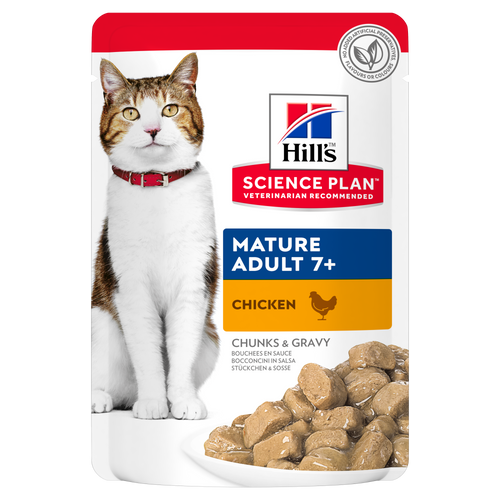
Mature Adult Wet Cat Food with Chicken
Hill's Science Plan Mature Adult Wet Cat Food Premium Chunks in Sauce with Chicken is a complete pet food for mature adult cats 7+ years old
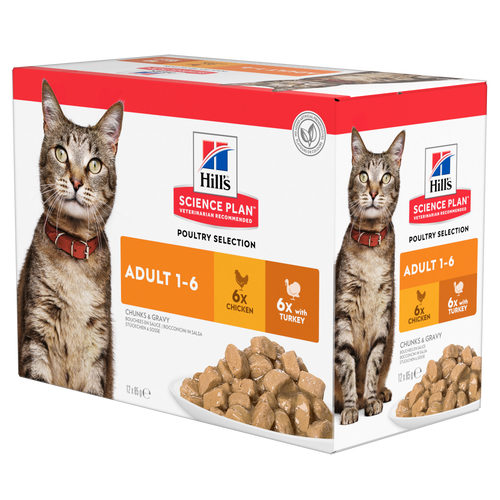
Adult Wet Cat Food with Chicken
Tender chunks in gravy for cats, with high-quality protein to maintain lean muscle. With vitamin E and omega-3s & -6s for healthy skin and balanced minerals to support healthy vital organs.
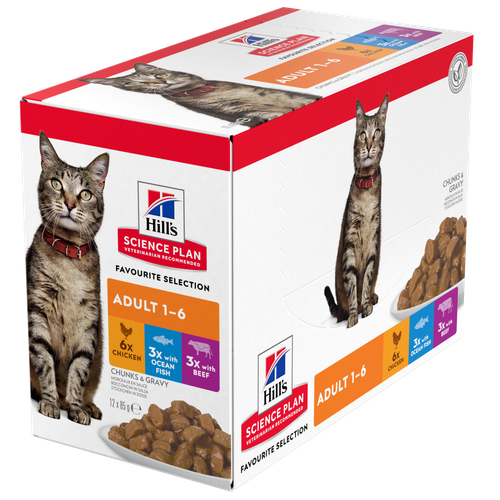
Adult Wet Cat Food with Chicken
Tender chunks in gravy for cats, with high-quality protein to maintain lean muscle. With vitamin E and omega-3s & -6s for healthy skin and balanced minerals to support healthy vital organs.
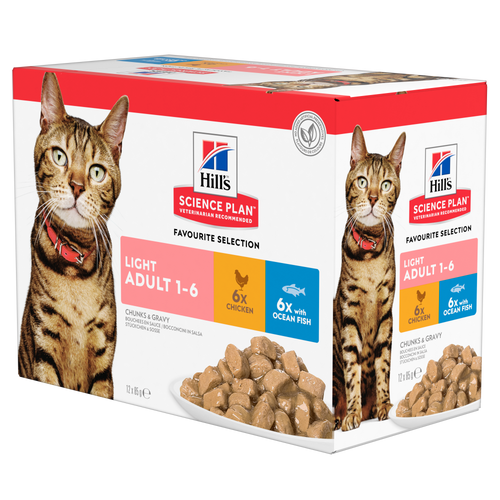
Light Adult Wet Cat Food Chicken
Tender chunks in gravy for cats, with L-carnitine and fewer calories for ideal weight management. Packed with high-quality protein, omega-6s, and vitamin E for shiny fur and healthy skin.
Related articles

Moving House with a Cat – Tips and Suggestions
Moving home with your cat can be stressful. Learn how to create a safe, familiar environment to help them adjust quickly and feel at home again.

Travelling with your kitten
Creating an enriched environment for your senior cat can increase activity and mental stimulation, and reduces potential behaviour problems.

Helpful Tips for Travelling with Your Cat
Get helpful tips and advice for travelling with your cat including by car, train, or air. Learn the safest ways for your cat to travel.

Travelling With A Cat: Checklist & Tips
Prepare for a smooth journey with your feline friend using our travelling checklist and tips. For more expert advice on cat healthcare, visit Hill's Pet UK.
Put your cat on a diet without them knowing
Our low calorie formula helps you control your cat's weight. It's packed with high-quality protein for building lean muscles, and made with purposeful ingredients for a flavourful, nutritious meal. Clinically proven antioxidants, Vitamin C+E, help promote a healthy immune system.