


Your dog loves to splash in puddles, but when it's time for a bath, they tuck their tail and hide. Why do dogs hate baths so much? If it's not the water, what is it about getting clean that makes so many dogs shiver and whine? Discover what might be behind your dog's fear of bath time, and keep reading to learn how to wash a dog that hates baths.
Why Do Dogs Hate Baths?
While it's true that not all dogs like to play in water, this doesn't necessarily explain why your dog doesn't like to take baths. Even water-loving breeds like Labrador retrievers often baulk at being bathed. So if it's not about the water, why do dogs hate baths? A number of factors could explain why your dog hates going near the tub or sink.

Recalling Bad Associations
Just like us, dogs can learn to associate a certain situation with feeling scared or anxious, explains the PDSA. A bad experience associated with bathing, like getting scalded by hot water, slipping and falling in the tub, getting water up the nose, or getting stinging shampoo in the eyes, can traumatise your dog and teach them to fear baths. Even upsetting experiences with other grooming activities, like pain caused by getting their nails clipped too short, or having their ears cleaned, can create bad associations with bath time if it happened around the same time.
Loss of Control
When your dog goes swimming or splashes in a puddle, it's a fun activity they choose to participate in. Baths, on the other hand, are typically forced on dogs, and involve being handled and having their bodies moved around in ways they don't like. This loss of choice and control over what happens to them can be very upsetting to a dog.
Unfamiliarity
Dogs who are new to baths, or who aren't bathed as often, may simply be freaked out by the unfamiliar experience of being plunged into a tub of water and soaped up with shampoo. This, in turn, can create negative associations that make them fearful of future baths.
Bath Time Feels Stressful
Sometimes, dogs aren't the only ones who hate their bath times. Dogs often take their emotional cues from their pet parents. The more worried you seem, the more worried your dog is likely to be, says the PDSA. Shouting at your dog, handling them roughly, and hurrying through bath time all teach your dog that baths are something to fear. Even if you're gentle with your dog, they'll be able to sense your frustration, which can be enough to make them dread baths in the future.
Do Dogs Need to Take Baths?
Does your dog actually need regular bathing? It depends. Much of the reason for bathing dogs is simply to make them easier to live with. You don't want your dog tracking mud everywhere, nor do you enjoy cuddling a stinky dog. Short-haired breeds with healthy skin don't actually require bathing for their own benefit, and they don't really need to take regular baths unless they tend to get dirty a lot. In many cases, wiping them down with pet wipes might be all that's needed. However, if you have a wrinkly breed like a pug or shar-pei, you should also be sure to wipe the folds between their skin regularly.
Long-coated and curly-haired breeds, on the other hand, benefit from regular shampoo and conditioning to help keep their fur from matting and becoming unmanageable, although daily brushing can also help. Hairless breeds like the Mexican hairless need regular baths to prevent their skin from drying out. Conversely, dogs with oily skin, like cocker spaniels, also need frequent baths to prevent oil buildup.


Tasty Tips
How to Bathe a Dog Who Hates Baths
If your dog has the type of skin or coat that makes bathing necessary, the best thing you can do is recondition them to enjoy baths, or at least to not be afraid of them. This involves replacing negative associations with positive ones, along with time and patience. How much so depends on whether your dog is terrified of baths, just mopey about having to take them, or somewhere in the middle.
1. Stay Calm
First, make sure you're projecting a positive attitude about giving your dog a bath. If you're feeling rushed, stressed or frustrated with your dog, you should wait to bathe them until a time when you're more relaxed, which will in turn help your dog to feel calmer.
2. Create Positive Associations

Blue Cross recommends introducing your dog to bath time slowly, first by simply bringing them into the bathroom with you, giving them lots of praise, and offering them some treats. Don't attempt to give them a bath right away, but give them time to form positive associations with the bathroom and the tub. One way to turn your dog's fear of the tub into anticipation is by moving your dog's food bowl into the bathroom next to the tub, and leaving a trail of treats leading up to it. When you think your dog is ready, move their bowl into the tub onto a non-slip mat. Allow them to climb in on their own if they're large enough, reinforcing a sense of choice and being in control.
Once your dog is able to be in the bathtub without fear, remove their food and try turning on the water. Give them toys to play with in the tub as well as treats. Blue Cross suggests smearing some xylitol-free peanut butter on the wall and letting them lick it off while the water runs. When your dog is able to tolerate hearing the running water and getting their paws wet, try splashing a bit of water on them, keeping things fun and light and making a game out of it. Gradually work up to wetting them down and lathering them up with shampoo, while at the same time showering them with praise and soothing words. At any stage of this process, if your dog becomes agitated, stop and try again tomorrow.
3. Prevent Negative Associations
Take precautions to make your dog feel safe during bath time. Place a non-skid mat or non-slip stickers in the bottom of the tub to prevent them from slipping, and consider using a bath harness like the ones used by professional groomers to help your dog feel more secure. Take extra care to be gentle with your dog. Be sure to test the temperature of the water and make sure it's not too hot or too cold. Avoid spraying or pouring water directly in their face; instead, use a washcloth on the face and other sensitive areas. And save other dog grooming activities, like trimming nails and brushing teeth, for another day.
While a number of possibilities can answer the question of why dogs hate baths, the solutions are the same regardless of what triggers your pet's dislike. With plenty of patience, gentleness and care, you can turn your dog's attitude toward baths around and make bath time more enjoyable and less stressful for you both.

Related products
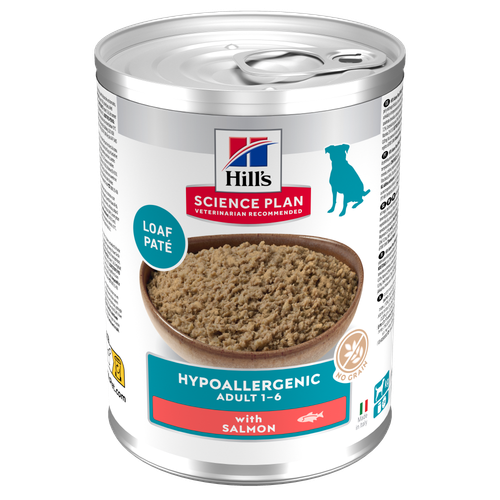
Hypoallergenic Adult Dog Food
Hill's Science Plan Hypoallergenic Adult Wet Dog Food with Salmon is a complete premium pet food for all adult dogs from 1 year. This savoury tinned loaf is specially formulated for dogs with delicate skin and stomachs. It features a single novel animal protein source and is grain-free.
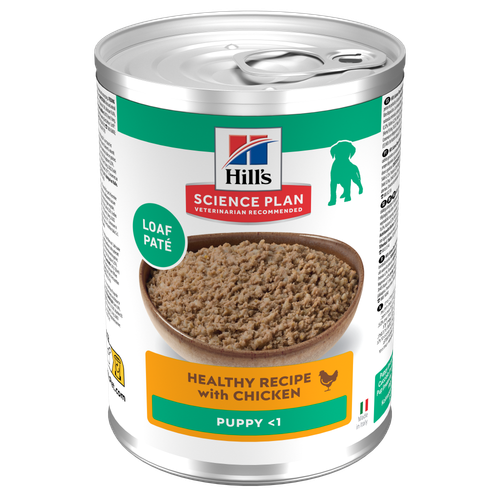
Puppy Food
Hill's Science Plan Puppy Wet Dog Food with Chicken is a complete premium pet food for growing puppies from weaning until 1 year old and for pregnant and nursing dogs. This deliciously smooth minced chicken loaf is precisely balanced to deliver the appropriate amount of energy to support the needs of growing puppies.
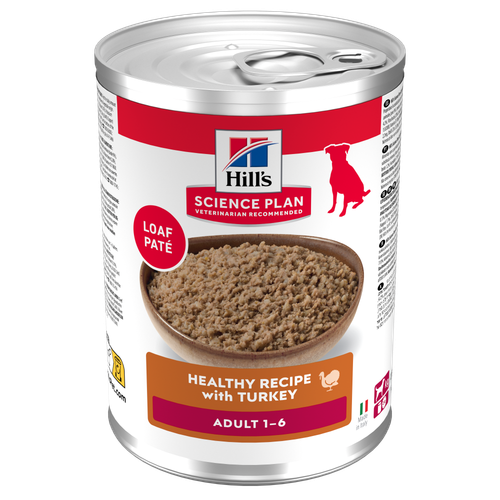
Adult Dog Food
Hill's Science Plan Adult Wet Dog Food with Turkey is a complete premium pet food for adult dogs from 1 year. This deliciously smooth minced turkey loaf is formulated to deliver the appropriate amount of energy to support the needs of adult dogs.
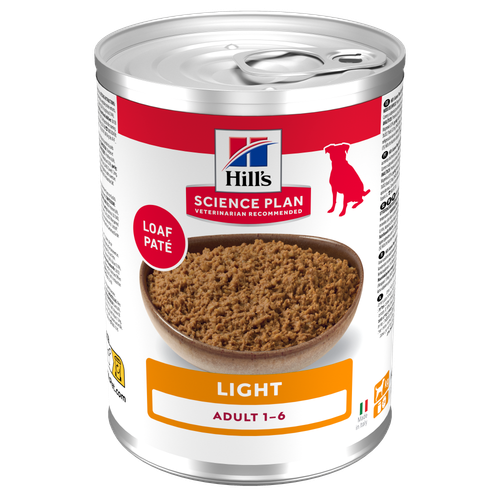
Adult Light Dog Food
Hill's Science Plan Light Adult Wet Dog Food is a complete premium pet food for adult dogs that tend to gain weight easily. This deliciously smooth loaf is formulated to deliver the appropriate amount of energy to support weight maintenance in adult dogs.
Related articles
Mange in Dogs: Types, Symptoms and Treatment
Learn about the different types of mange in dogs, their symptoms, and effective treatment options. For expert guidance on managing mange, visit Hill's Pet UK.
Grooming Your Puppy
All puppies should be groomed daily, and not merely to improve skin and coat condition.
Step-By-Step Instructions for Bathing Your Dog
You may be keener than your dog on giving him a bath – especially if he has been rolling around in something unpleasant outside.
Dog Dandruff Explained: What It Is and How to Manage It
From flakes to itching, dog dandruff is more common than you think. Here’s how to help your dog with easy remedies and daily prevention.

Put your dog on a diet without them knowing
Our low calorie formula helps you control your dog's weight. It's packed with high-quality protein for building lean muscles, and made with purposeful ingredients for a flavourful, nutritious meal. Clinically proven antioxidants, Vitamin C+E, help promote a healthy immune system.
Put your dog on a diet without them knowing
Our low calorie formula helps you control your dog's weight. It's packed with high-quality protein for building lean muscles, and made with purposeful ingredients for a flavourful, nutritious meal. Clinically proven antioxidants, Vitamin C+E, help promote a healthy immune system.