


Gurgle, gurgle. Rumble, rumble. You've surely heard the sound coming from your pup before. Turns out, there's a word for that talking tummy: Borborygmus (pronounced bore-bore-IG-mus), or borborygmi, is a fancy word for stomach noises. This rumbling noise is created as gas moves through the intestines. While these can often be normal stomach sounds, it's important to understand why your dog's stomach makes this loud noise and when it may indicate a problem. If you're wondering, "Why is my dog's stomach making noises?" and "What should I do if my dog's stomach is gurgling?" you've come to the right place.
Why Is My Dog's Stomach Making Noises? Common Causes
Similar to what you may have experienced, a dog's tummy may regularly make noise. Some rumblings are expected as gas plays a normal part in the dog's gastrointestinal (GI) tract. Your dog's normal belly rumbles are typically caused by one of two things:
1. Air Consumption
While dogs don't drink carbonated beverages like humans do, they still consume their share of air. Have a quick eater? Generally speaking, the faster a dog eats, the more air they swallow in the process. This air has to go somewhere, and if it's not belched up, it makes its way along the gastrointestinal tract and announces its presence in the form of a rumbling tummy. This isn't a medical concern as the intestines are built for some gas to travel through them as part of the normal processing of food.
2. Hunger Pains
As a dog's stomach empties and prepares for its next meal, intestinal juices are often released in preparation. The release of these digestive juices and movement within the intestinal tract causes the tummy growling we associate with hunger. An empty belly often may make slightly louder noises than a full one, simply because there's no food in the intestines to absorb or block some of the noise.


Tasty Tips

Borborygmus (pronounced bore-bore-IG-mus), or borborygmi, is a fancy word for stomach noises.
Why Is My Dog's Stomach Making Noises? Less Common Causes
Occasionally, more significant reasons may cause borborygmi. Anything that affects your dog's GI tract can cause an increase — or decrease — in intestinal movement and associated noise. Some of the more common illnesses associated with stomach noises include:
- Inflammatory bowel disease (IBD)
- Intestinal parasites
- Stress
- Hormonal diseases
- Intestinal cancer, such as lymphoma
- Gastrointestinal blockage caused by a foreign body
- Hemorrhagic gastroenteritis (HGE)
- Bloat, or Gastric Dilatation-Volvulus (GDV)
- Ingestion of a toxic substance
- New medication
- New food
Additionally, you may have heard how eating grass may cause your dog's stomach to gurgle. However, contrary to popular belief, dogs aren't always feeling sick when they eat grass. Dogs may eat grass because they're bored, enjoy the texture or taste or they're seeking an unmet nutritional need. But eating grass isn't usually a cause for concern.
At-Home Solutions
If you find yourself thinking, "My dog's stomach is gurgling often" or if you notice your dog eating quickly, you can try some easy solutions. Many dog food bowls are available with the intention to slow down their eating. The "Brake-Fast" bowl is one example. As the dog navigates the built-in bowl "obstacles," they eat more slowly, chew more and swallow less air, all of which lead to a healthier GI tract and less prominent intestinal sounds.
Occasionally, a dog may need more feedings spread out over the course of the day if you routinely hear stomach noises between meals. More often than not, only younger dogs may need more frequent feedings.
When Should I Seek Veterinary Care?
In and of itself, there's no need to be alarmed if you hear your dog's stomach gurgling. You should seek veterinary care when your dog's stomach rumbles are accompanied by other physical signs. Some of the more common signs that point to a problem include:
- Decreased appetite
- Deceased energy
- Loose stools
- Vomiting
- Hypersalivation (a sign of an upset stomach)
- Restlessness
- Hunched or praying posture, with the rear end higher than the front quarters, a sign of abdominal pain
If you're questioning your dog's tummy noises, a general rule is to give a mild sign 24 hours to see if it improves. If any signs of GI worsen — or other GI signs develop — don't wait the entire 24 hours. A visit to your veterinarian can make all the difference in leading a happy and healthy life with your furry friend.

Related products
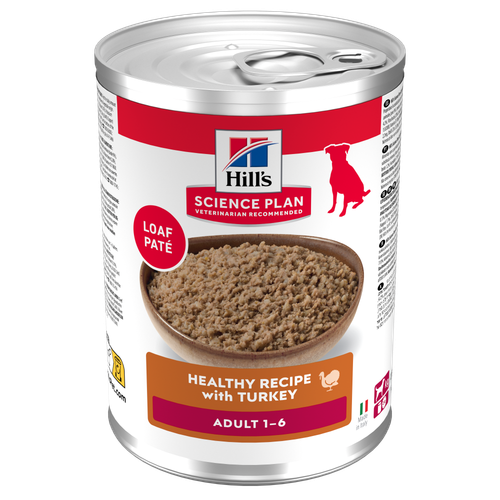
Adult Dog Food
Hill's Science Plan Adult Wet Dog Food with Turkey is a complete premium pet food for adult dogs from 1 year. This deliciously smooth minced turkey loaf is formulated to deliver the appropriate amount of energy to support the needs of adult dogs.
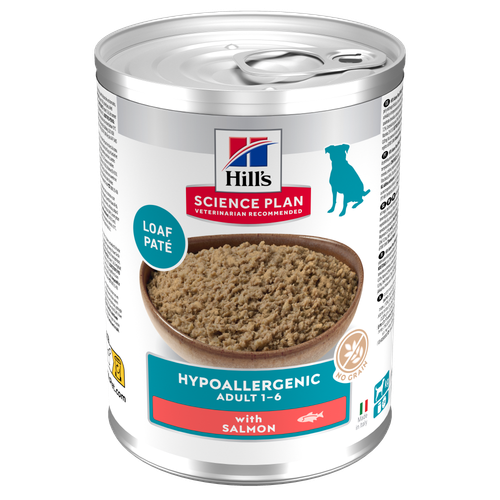
Hypoallergenic Adult Dog Food
Hill's Science Plan Hypoallergenic Adult Wet Dog Food with Salmon is a complete premium pet food for all adult dogs from 1 year. This savoury tinned loaf is specially formulated for dogs with delicate skin and stomachs. It features a single novel animal protein source and is grain-free.
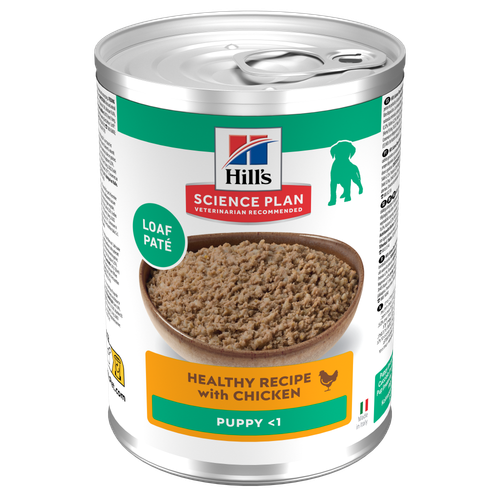
Puppy Food
Hill's Science Plan Puppy Wet Dog Food with Chicken is a complete premium pet food for growing puppies from weaning until 1 year old and for pregnant and nursing dogs. This deliciously smooth minced chicken loaf is precisely balanced to deliver the appropriate amount of energy to support the needs of growing puppies.
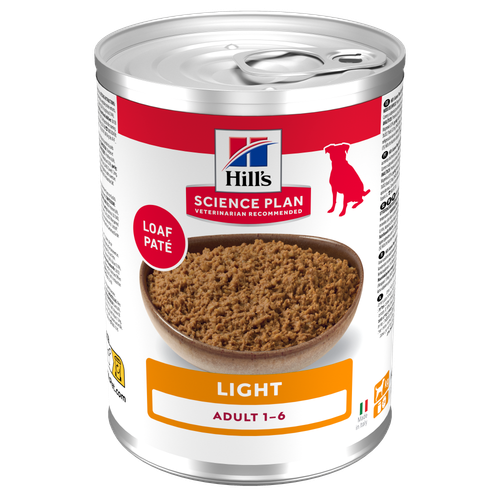
Adult Light Dog Food
Hill's Science Plan Light Adult Wet Dog Food is a complete premium pet food for adult dogs that tend to gain weight easily. This deliciously smooth loaf is formulated to deliver the appropriate amount of energy to support weight maintenance in adult dogs.
Related articles

Blood in Dog Urine: Causes And Treatment
Discover the causes of blood in dog urine and learn about effective treatment options to ensure your pet's health. For expert advice, visit Hill's Pet UK.

Why Are Labradors Always Hungry? The Science Behind Satiety
Discover the science behind your Labrador's insatiable appetite and what might be the cause. Find out more about your pet's dietary needs at Hill's Pet UK.
What should I do about my overweight dog?
Dog obesity is a significant problem - learn more about helping your dog become trimmer and healthier through improved nutrition.

Is Your Dog Stretching a Lot? Reasons Why and When To Worry
Excessive stretching can be a symptom of a hidden issue or a sign of discomfort in your dog's stomach. Find out what to look out for with Hill's Pet Nutrition UK.

See what Vets have to say
Read reviews from the experts and see why Hill's is the #1 Veterinarian Recommended brand.
See what Vets have to say
Read reviews from the experts and see why Hill's is the #1 Veterinarian Recommended brand.