


You caught your dog doing the booty scoot on your favourite rug and now you're wondering why they do it and how you can get it to stop. Whether that or excessive licking of your pet's hind region is what brought you here, it's likely that your dog's anal glands need attention. While that's probably the last part of your dog's anatomy you'd like to pay attention to, the fact is that anal gland problems in dogs are fairly common and often the cause of dog scooting problems.
Your Dog's Anal Glands

Your dog's hind end includes two small sacs located on the inside of their rectum, one on each side within the muscular wall, says The Spruce. These sacs gradually fill with secretions from sebaceous glands — the same glands found at the end of hair follicles that are responsible for unwashed hair becoming greasy — located inside each sac.
The only real function these anal glands are known to serve is in doggy communication: they're what dogs sniff when they say hello to each other. They also excrete scent whenever your dog goes number two, and may make it easier for your pet to pass stools. When they're working properly, these glands are emptied when your dog does their business.
Anal Gland Problems in Dogs
Unfortunately, things don't always function properly. Soft or small stools don't provide enough pressure to empty the sacs. If the glands fill until they become uncomfortable, your beloved pup scoots across the floor to get relief. When this happens, the glands are what's called impacted, says Preventive Vet.
Not only are impacted anal sacs uncomfortable for your pooch, but if ignored they might become infected and abscessed, requiring treatment with antibiotics. If the abscessed glands rupture, they may need surgery to repair, and your dog might also need pain medication to aid their recovery.
Anal Gland Expression
When anal gland problems in dogs begin to develop, human intervention may be required to provide relief. Impacted anal glands need to be manually expressed, a task that can be performed by a veterinarian, or a vet nurse — some dog groomers who have been trained in the task may do this as part of the routine grooming, but if you notice an issue, you should always bring your dog to the vet over the groomer.
Manually expressing a dog's anal glands typically involves inserting a gloved finger into the rectum to locate the gland and gently squeeze it to empty its contents. If impacted anal glands become a recurrent problem, manual expression might need to be done on a regular basis. You could do this for your dog at home, but it's best to have a professional teach you how before attempting it on your own. A startled or uncomfortable dog could snap or bolt. The ‘ick factor’ involved in the task might also convince you it's a job best left to the pros.


Tasty Tips
What Causes Anal Gland Problems in Dogs?

Poor quality bowel movements can contribute to anal glands becoming impacted, says Petfinder. Constipation and diarrhoea can produce a stool that isn't sufficient for the task of emptying the anal sacs. Hereditary malformations of the anal glands could also be a cause. Preventive Vet adds that chronic skin conditions, including yeast infections, skin or food allergies or infestations of skin mites, may increase a dog's chances of developing chronic anal gland problems.
Other contributing factors include low thyroid function and obesity. And although it's less common, a tumour could be to blame. It's also possible that unnecessary anal gland expression, as is sometimes done routinely by groomers, could create scar tissue that prevents the glands from being able to empty themselves. If this might apply to your dog, talk to your groomer to make sure your pup's glands aren't being unnecessarily expressed on every visit, which could do more harm than good.
Signs of Impacted or Infected Anal Glands
While dog scooting could be one possible symptom of anal gland problems, this behaviour could have other causes, such as parasites or digestive problems. Or, it could simply be an itchy butt. Typically, a dog with impacted anal glands will scoot more than once or twice, and can also usually be seen licking their rear end. Redness or swelling around the sphincter is an indication that the glands are becoming infected, as is blood or puss in your dog's stool or left behind on the carpet after they've finished scooting.
When to See a Vet
If you suspect your dog may have impacted anal glands, talk to your vet to see if your dog should be brought in. However, if you notice redness or swelling, or if the skin around your dog's bottom starts to look like a pimple that's coming to a head, the gland is likely infected or abscessed and should be seen by a vet as quickly as possible. A ruptured abscess is an emergency and needs to be treated right away to minimise the damage to your dog and lessen their pain.
You should also see your vet if impacted anal glands are a recurring problem for your dog, in order to determine whether there's an underlying condition that needs to be treated, like a tumour or a thyroid disorder.
Helping Your Dog
Here are some steps you can take to prevent or reduce the recurrence of impacted anal glands in your pup:
- Make sure your dog is getting enough fibre in their diet so that they're producing healthy stool. Talk to your vet about putting your dog on a diet that is formulated for healthy digestion and proper stool formation.
- If your dog is overweight, ask your vet about taking steps to help them reach and maintain a healthy weight.
- Work with your vet to identify and treat or manage any potential underlying causes.
- If your vet approves, supplement your dog's diet with fish oil, which Preventive Vet notes has anti-inflammatory properties that may help reduce the irritation around impacted glands, or they may recommend a food enriched with fish oil.
- Again, check with your groomer to make sure your pup's anal glands aren't being expressed unnecessarily.
While it's not a pleasant thing to think about, anal gland problems are common enough that it pays to be vigilant in watching out for them. So the next time you see your dog scooting or licking their rear end, be sure to pay close attention to what's going on back there. Your dog may not be able to thank you with words, but they're nevertheless sure to appreciate the relief you can provide.

Related products
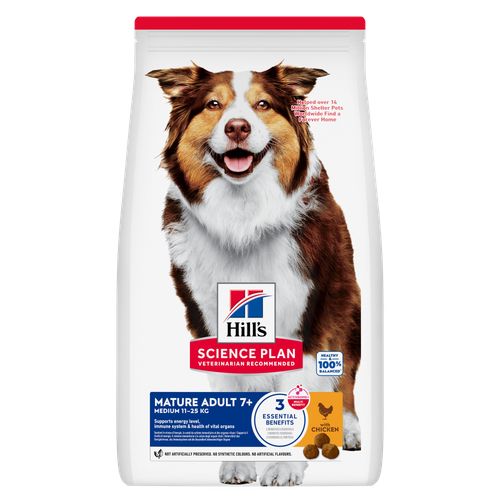
Medium Mature Adult Dog Food
Hill's Science Plan Medium Breed Mature Adult Dog Food with Chicken is a complete pet food, specially formulated with ActivBiome+ Multi-Benefit Technology.
This food is specifically designed for the needs of ageing medium breed dogs.
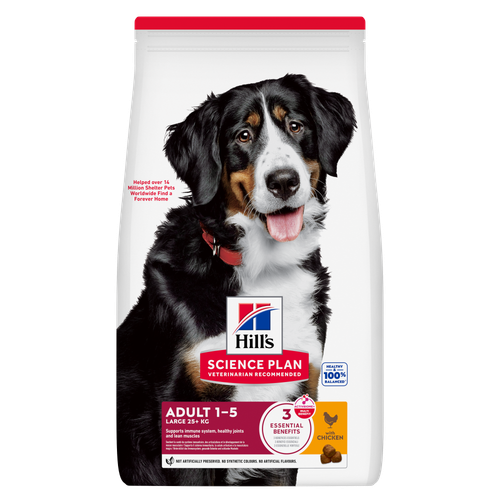
Large Breed Adult Dog Food
Hill's Science Plan Large Breed Adult Dog Food with Chicken is a complete pet food, specially formulated with ActivBiome+ Multi-Benefit Technology.
This food is specifically designed to fuel the energy needs of large breed dogs during the prime of their life.
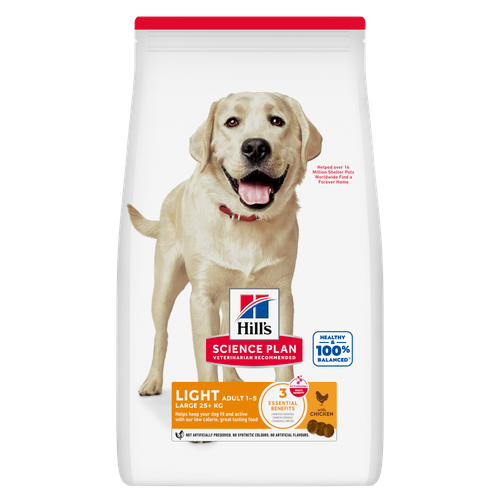
Light Large Breed Adult Dog Food
Hill's Science Plan Light Adult Large Dog Food with Chicken is a complete pet food, specially formulated with ActivBiome+ Multi-Benefit Technology.
Helps keep your dog fit and active with our low calorie, great-tasting food.
Precise nutrition for less active adult large breed dogs that require a low calorie food to help maintain a healthy weight & lifestyle.
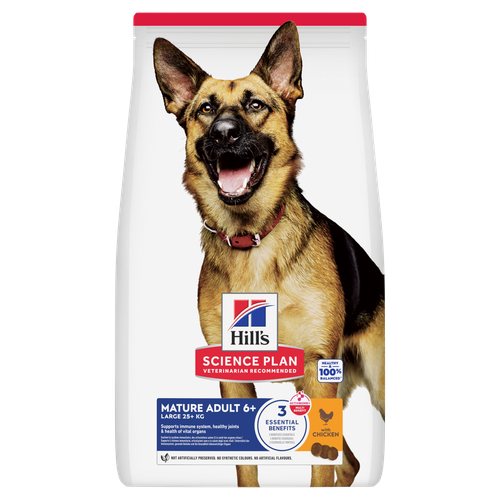
Large Breed Mature Adult Dog Food
Hill's Science Plan Large Breed Mature Adult Dog Food with Chicken is a complete pet food, specially formulated with ActivBiome+ Multi-Benefit Technology.
This food is specifically formulated with ingredients to support healthy ageing in large breed dogs.
Related articles
Cystitis in Dogs: Symptoms and Care
Learn the symptoms, causes and treatment of cystitis in dogs. Find out how UTIs are diagnosed, when to see a vet and how to protect your dog’s urinary health.
Helping Senior Dogs and Cats with Incontinence: Causes and Solutions
Learn why senior dogs and cats develop incontinence, the signs to watch for and how bladder control problems can be treated and managed with care and support.
Kidney Disease in Dogs: Symptoms, Stages, Causes & Treatment
Discover the signs of kidney disease in dogs, how it progresses through different stages, and what treatments can help support your dog’s kidney health.
Blood in Dog Urine: Causes And Treatment
Discover the causes of blood in dog urine and learn about effective treatment options to ensure your pet's health. For expert advice, visit Hill's Pet UK.

Put your dog on a diet without them knowing
Our low calorie formula helps you control your dog's weight. It's packed with high-quality protein for building lean muscles, and made with purposeful ingredients for a flavourful, nutritious meal. Clinically proven antioxidants, Vitamin C+E, help promote a healthy immune system.