


There are a million jokes that can be made about dog farting, but if you have a pet who is an excessive farter, the smell or sound might be wreaking havoc on your personal life. Plus, in some instances, the answer behind what makes dogs fart such foul-smelling gas could be that their health needs attention. Smelly wind may be the butt of many jokes, if you’ll pardon the pun, but if it’s not normal for your dog or it’s accompanied by sickness, diarrhoea or weird things like yellow poo, it might not be such a laughing matter.
Or, on the other hand, your dog might just be a super-farter who doesn't mind stinking you out. Hey, we all have our special talents; this just might be theirs.
If you've ever noticed that your dog farts a lot, or have had to deal with the embarrassment of it happening when you have guests over, then this guide is for you. Here's how you can determine what may be causing the noxious smells and whether or not the gas warrants a prompt visit to the veterinarian.
What makes dogs fart?
There are many reasons why your dog may be extra flatulent. Some common reasons include changing their food, gastrointestinal illness and nutritional disturbances, such as a food intolerance.
Another cause can be the type, quality and quantity of ingredients in your dog's food as they influence the amount of gas formed in the intestine. When bacteria in the colon ferment fibre or poorly digested proteins and carbohydrates, gas is produced. Pet food containing certain oligosaccharides (found in ingredients such as soybeans, beans, chickpeas and lentils) tend to produce large amounts of gas in the intestine.
However, there are other, less common reasons your dog might be stink-bombing your family. Does your dog eat too fast? Dogs Monthly magazine says that gulping down food quickly can lead to your dog swallowing lots of air. Known as aerophagia, this habit can contribute to excess gas.
But, seriously. My dog farts a lot.
Passing gas is as normal for dogs as it is for humans. However, it's important to pay attention if you're noticing a significant increase in your dog's flatulence.
What you may view as "too many farts" could be an indication that your pet is experiencing gastrointestinal issues. Additionally, farting could be a sign of infection or another issue with your dog’s health, says Dogs Monthly.
Any major change in a pet, even if it seems as silly as farting, warrants a trip to the veterinarian to ensure they aren't experiencing a serious problem. If gas is accompanied by poor appetite, diarrhoea, vomiting, weight loss or behaviour changes, it's definitely a good idea to give your vet a call.


Tasty Tips
How to stop the farting
If you think your dog farts a lot and are wondering how to reduce it to a more appropriate amount, you're in luck. If your veterinarian is able to help you identify the cause of the excess gas, you might be able to reduce some of the farting. For example, if you feed your dog cheese as a treat, but your veterinarian determines your pet is sensitive to dairy, simply eliminating it from their meal plan can drastically decrease their flatulence.
Just as you can't control another human's gas passing, you can't completely control your pet's either, but what they eat could offer your nose a little relief. Dog foods that contain high levels of protein or poorly digestible protein sources often produce more odorous farts. Ingredients such as broccoli, cabbage, cauliflower and brussels sprouts can also be fermented and produce sulphur-containing gases that lead to smelly farts.
Importance of nutrition and its role in a dog's flatulence
Speaking of what your dog eats, their everyday nutrition plays a huge role in their digestive health that, in turn, affects how much gas they might be passing. Intestinal bacteria can ferment undigested proteins and produce sulphur-containing gases. With that, a properly balanced dog food with the right nutrients can help promote healthier digestion. Be sure to ask your veterinarian to recommend a healthy dog food. Additionally, for dogs that have been diagnosed with a disease that causes poor digestion or malabsorption of nutrients, these conditions may be associated with bloating and flatulence. For these dogs, veterinarians can recommend dog foods specially formulated to support the dog's GI tract health. Be sure to ask your veterinarian if one of these dietetic pet foods is a good option.
Now that you know what makes dogs fart, you can hopefully put an end to — at least some of — the stink bombs in your house! Take a closer look at your dog’s food and see if there is anything that might be putting their digestive system out of whack. And remember, a quick visit to the vet can always help you determine how to proceed in the best interest of your pet's health.
Reviewed by Dr. Hein Meyer, DVM, PhD, Dipl-ECVIM-CA, Brana Bonder, B.S, M.S and Dr. Emma Milne BVSc FRCVS

Related products
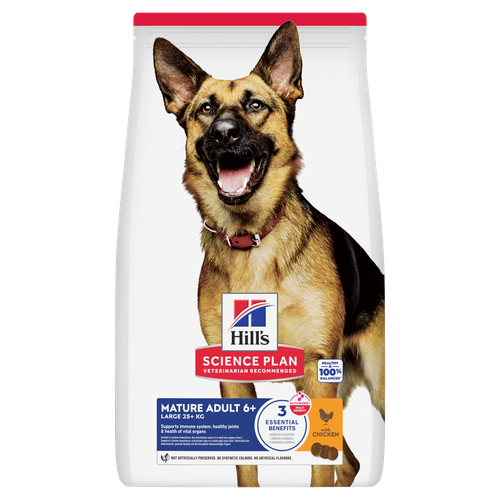
Large Breed Mature Adult Dog Food
Hill's Science Plan Large Breed Mature Adult Dog Food with Chicken is a complete pet food, specially formulated with ActivBiome+ Multi-Benefit Technology.
This food is specifically formulated with ingredients to support healthy ageing in large breed dogs.
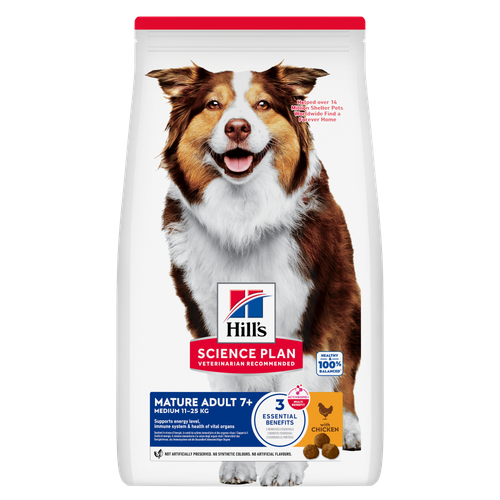
Medium Mature Adult Dog Food
Hill's Science Plan Medium Breed Mature Adult Dog Food with Chicken is a complete pet food, specially formulated with ActivBiome+ Multi-Benefit Technology.
This food is specifically designed for the needs of ageing medium breed dogs.
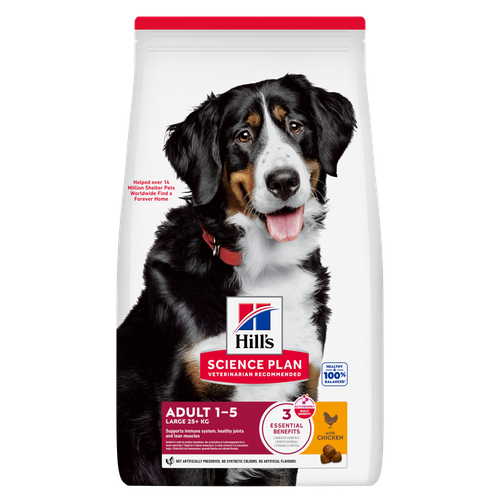
Large Breed Adult Dog Food
Hill's Science Plan Large Breed Adult Dog Food with Chicken is a complete pet food, specially formulated with ActivBiome+ Multi-Benefit Technology.
This food is specifically designed to fuel the energy needs of large breed dogs during the prime of their life.
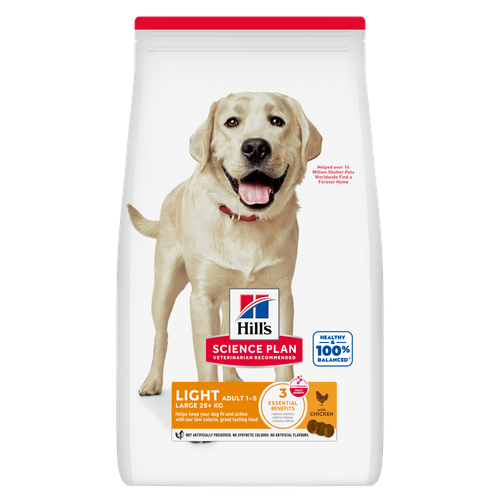
Light Large Breed Adult Dog Food
Hill's Science Plan Light Adult Large Dog Food with Chicken is a complete pet food, specially formulated with ActivBiome+ Multi-Benefit Technology.
Helps keep your dog fit and active with our low calorie, great-tasting food.
Precise nutrition for less active adult large breed dogs that require a low calorie food to help maintain a healthy weight & lifestyle.
Related articles
How to Manage IBD in Dogs
Learn if your dog may be experiencing symptoms of IBD, why it's different from IBS in people, and how your vet can help manage and treat this condition.

How to Tell If Your Dog Has an Upset Stomach & How to Treat It
Learn how to recognise if your dog has an upset stomach or sensitive stomach issues, how a veterinarian might treat it and how nutrition can help.
How to Manage IBD in Dogs
Learn if your dog may be experiencing symptoms of IBD, why it's different from IBS in people, and how your vet can help manage and treat this condition.

Everything You Ever Wanted to Know About Dog Poo
Your guide to healthy dog poop and signs to watch out for that could indicate a health concern.

Put your dog on a diet without them knowing
Our low calorie formula helps you control your dog's weight. It's packed with high-quality protein for building lean muscles, and made with purposeful ingredients for a flavourful, nutritious meal. Clinically proven antioxidants, Vitamin C+E, help promote a healthy immune system.
Put your dog on a diet without them knowing
Our low calorie formula helps you control your dog's weight. It's packed with high-quality protein for building lean muscles, and made with purposeful ingredients for a flavourful, nutritious meal. Clinically proven antioxidants, Vitamin C+E, help promote a healthy immune system.