


Though you're likely aware of how common breast cancer is in humans, you may not know how common breast cancer is in dogs. Approximately one in four unspayed (entire) female dogs will be diagnosed with malignant mammary tumours, and, as with humans, early detection is key.
How common is breast cancer in dogs?
Mammary tumours (breast cancer) are one of the most common tumour types seen in female dogs and are the most common tumour in entire female dogs. Around 50% of dog mammary tumours are benign and 50% are malignant, according to the Merck Veterinary Manual (MSD).
Middle-aged and older female dogs are most commonly affected, and an increased incidence of mammary tumours in certain breeds suggests a genetic component, much like in humans. A few of the breeds at increased risk of malignant mammary tumours include German shepherds, cocker spaniels, Dobermans and poodles.


Tasty Tips
How can you identify signs of mammary tumours in dogs early?
To catch tumours in dogs early, you can start regularly monitoring your dog for any mammary growths when they're around 5 to 6 years old. If a female dog is entire or was spayed later in adulthood, she's considered at higher risk for mammary cancer; however, this regular monitoring should be done in all female dogs as a precaution.
Normal mammary tissue should be soft and pliable without any firm lumps. If you feel any lumps during an at-home assessment, take your dog to your veterinarian to discuss further testing and possible removal. In many cases, your dog may otherwise appear healthy and happy despite a palpable mammary tumour, but it's still important to have them evaluated by a vet because catching cancer early is essential.
How is breast cancer in dogs diagnosed?
The three most important factors to determine a prognosis are mammary tumour size, lymph node involvement and metastasis (whether the cancer has spread to other sites).
In general, large tumours and cancer that's spread to lymph nodes or other organs lead to a poorer prognosis. Additional factors that can negatively affect prognosis include the presence of skin ulceration, cancer that's invasive/attached to adjacent tissue or rapidly growing, and a higher clinical stage at the time of diagnosis. A cytology exam (the evaluation of a sample of cells) of the tumour can help your vet to identify non-mammary tumours, as it allows them to see other tumour types that can occur in this location. Unfortunately, cytology alone is generally not helpful in determining whether a mammary tumour is benign or malignant, so a biopsy is often required to obtain a diagnosis.
In many cases, the surgeon will attempt an excisional biopsy (complete removal of the tumour), which can result in a diagnosis and potentially a cure in one surgery. Sometimes, additional surgeries are needed for complete removal.
How is breast cancer in dogs treated?
Complete surgical removal is the most common treatment for breast cancer in dogs and, if accomplished, is usually curative. However, it's important to stage the tumour prior to removal to evaluate if it has spread to other organs or lymph nodes. If metastatic spread is present, then surgery isn't generally recommended unless it will help your dog's overall comfort.
Radiographs (X-rays) of the chest are performed to evaluate for any spread to the lungs, and in many cases, abdominal ultrasound and collecting cells from lymph nodes for evaluation are also performed. Unfortunately, approximately 50% of diagnosed mammary tumours are malignant, which is why early detection is key.
Chemotherapy is commonly used to attempt to delay progression in cases of aggressive mammary cancer, and radiation is sometimes used in cases when completely removing a tumour may not be possible. Medications recommended by your veterinarian may be advised to help manage the mammary tumour or provide pain relief.
The overall goal of any treatment is to increase comfort and quality of life for your dog and to give you more time with them.
How can you prevent malignant mammary tumours in dogs?
The good news is that the risk for breast cancer in dogs can be significantly reduced. A study published in the Journal of the National Cancer Institute showed that spaying prior to the first season reduces risk to 0.5%, and spaying after the first season only increased risk to 8%. However, after two seasons or heat cycles, the protective effect of spaying isn't seen, and the risk increases to 26%, likely because the female hormones have already had their effect on the mammary tissue. So, you can eliminate or greatly reduce breast cancer risk by spaying your dog either prior to their first heat or after one heat cycle.
Since female hormones play a role in mammary tumour development, spaying at any age is a helpful tool in mammary tumour prevention, although the risk benefit is not as great as discussed in the previous paragraph. In addition, dogs who are overweight during puberty are at an increased risk for malignant mammary neoplasia, so maintaining a healthy weight is also important. Staying slim throughout life has many health benefits besides this, too.
As in humans, early detection is key, so regularly monitoring your dog for mammary tumours and visiting your vet if you notice anything abnormal is important. Your vet can help answer any questions and guide you in making the best plan for your dog when dealing with mammary tumours or other health concerns.
Frequently Asked Questions about dog breast cancer
What is the life expectancy of dogs with breast cancer?
This depends on many factors. Left untreated, mammary tumours can be fatal within months. With surgery and follow up treatment, where needed, some dogs can live for several years. This all depends on the type of tumour, the extent of the internal spread and the treatment given.
Can I prevent mammary tumours in dogs?
Spaying before the first or second season has a significant protective effect for mammary tumours. Also, monitoring of your dog’s mammary tissue helps early detection.
How is breast cancer diagnosed?
This is done by taking a biopsy or the whole tumour and sending it to a pathology laboratory. This will help guide treatment options.
Reviewed by Becky Mullis, DVM, DACVIM (Nutrition) and Emma Milne BVSc FRCVS.

Related products
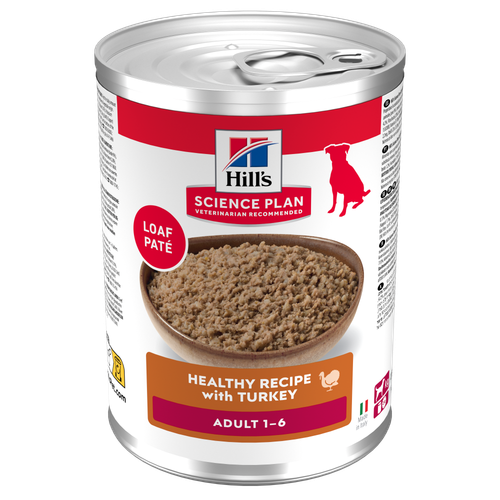
Adult Dog Food
Hill's Science Plan Adult Wet Dog Food with Turkey is a complete premium pet food for adult dogs from 1 year. This deliciously smooth minced turkey loaf is formulated to deliver the appropriate amount of energy to support the needs of adult dogs.
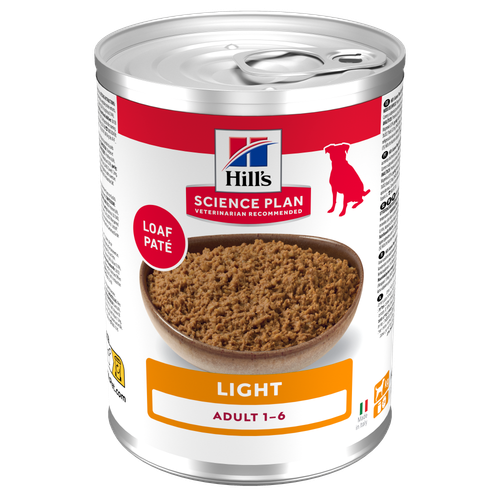
Adult Light Dog Food
Hill's Science Plan Light Adult Wet Dog Food is a complete premium pet food for adult dogs that tend to gain weight easily. This deliciously smooth loaf is formulated to deliver the appropriate amount of energy to support weight maintenance in adult dogs.
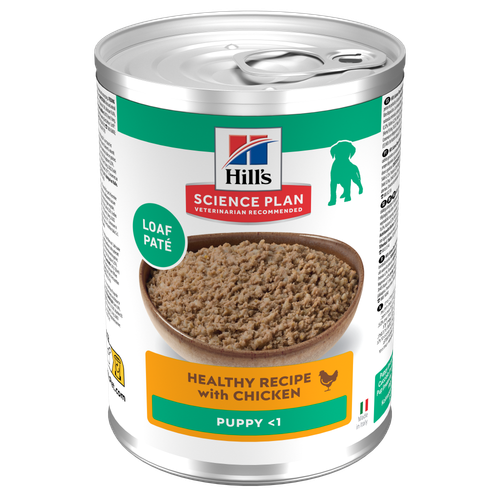
Puppy Food
Hill's Science Plan Puppy Wet Dog Food with Chicken is a complete premium pet food for growing puppies from weaning until 1 year old and for pregnant and nursing dogs. This deliciously smooth minced chicken loaf is precisely balanced to deliver the appropriate amount of energy to support the needs of growing puppies.
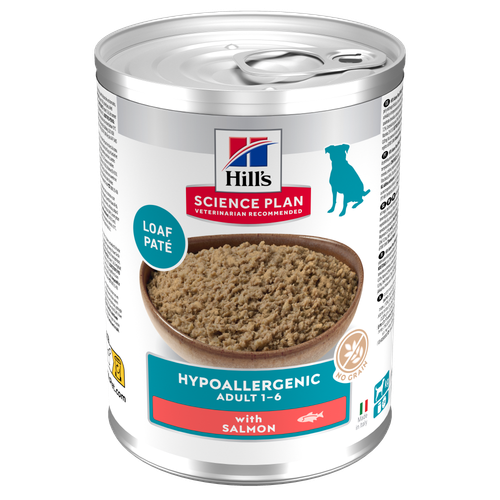
Hypoallergenic Adult Dog Food
Hill's Science Plan Hypoallergenic Adult Wet Dog Food with Salmon is a complete premium pet food for all adult dogs from 1 year. This savoury tinned loaf is specially formulated for dogs with delicate skin and stomachs. It features a single novel animal protein source and is grain-free.
Related articles
Why Are Labradors Always Hungry? The Science Behind Satiety
Discover the science behind your Labrador's insatiable appetite and what might be the cause. Find out more about your pet's dietary needs at Hill's Pet UK.
What should I do about my overweight dog?
Dog obesity is a significant problem - learn more about helping your dog become trimmer and healthier through improved nutrition.
Blood in Dog Urine: Causes And Treatment
Discover the causes of blood in dog urine and learn about effective treatment options to ensure your pet's health. For expert advice, visit Hill's Pet UK.
Is Your Dog Stretching a Lot? Reasons Why and When To Worry
Excessive stretching can be a symptom of a hidden issue or a sign of discomfort in your dog's stomach. Find out what to look out for with Hill's Pet Nutrition UK.

Put your dog on a diet without them knowing
Our low calorie formula helps you control your dog's weight. It's packed with high-quality protein for building lean muscles, and made with purposeful ingredients for a flavourful, nutritious meal. Clinically proven antioxidants, Vitamin C+E, help promote a healthy immune system.
Put your dog on a diet without them knowing
Our low calorie formula helps you control your dog's weight. It's packed with high-quality protein for building lean muscles, and made with purposeful ingredients for a flavourful, nutritious meal. Clinically proven antioxidants, Vitamin C+E, help promote a healthy immune system.