


Ageing is a gradual process, and many pet parents wonder why one day their dog is having adult food, and the next month they are supposed to switch to a senior food. Is it really necessary to switch to a senior food if your dog seems fit and well and full of vigour? While the time to switch will vary depending on your individual dog, there are definite benefits to be gained from switching to a senior food when the time is right. In this article, we’ll look at exactly what the differences are between adult and senior food, when to switch and what else you can do to keep your dog ageing healthily as well as gracefully.
Why senior dog food is necessary
Growing old is a fact of life, but great nutrition throughout life can help to combat the effects of ageing. The main changes that happen as a dog matures into their senior years include:
- Slowing of metabolism so fewer calories are needed and weight is gained more easily
- Gradual decline of organ function
- Cognitive changes that may start to occur
- Joint disease and dental disease becoming much more common
- Absorption of nutrients in the gut potentially becoming less efficient
With this in mind, senior dog foods are not only lower calorie to help keep your dog feeling full without gaining weight but they are also formulated to be gentle on ageing organs and to act against the wear and tear of the ageing process. Let’s have a look at the differences between adult and senior dog foods and when you should consider making the switch.
What is the difference between adult and senior dog food?
Years of nutritional research have allowed for the calculation of precise nutrition for every life stage. There is a huge number of mature and senior foods available in both wet and dry varieties, so you and your older dog will be spoilt for choice. In general, the main differences between adult and senior foods are that
- Senior foods tend to be lower calorie.
- Senior foods tend to have lower protein levels to avoid stressing organs such as the liver and kidneys. These proteins are high quality and highly digestible, so even though the percentage is lower than in adult foods, your dog will still get all the protein they need.
- Senior foods may have higher levels of antioxidants which are known to combat free-radicals and cell damage due to ageing.
- Senior foods may have higher levels of omega-3 fatty acids to support joints and healthy brain function.
- Senior foods can have lower amounts of certain minerals to reduce the workload on the kidneys and the heart and help support a healthy blood pressure.
Some senior dog foods are specifically aimed at targeting conditions older dogs are prone to, such as joint disease, sensitive stomachs, weight issues and so on. And then, of course, there are also many dietetic foods for dogs that have clinical diseases.


Tasty Tips
When should I switch my dog to a senior food?
In general, dogs are considered to be senior around the age of 6-7 years. Sometimes you’ll see this age described as ‘mature adult’, with some companies specifying ‘senior’ as a stage. But age 6-7 is around the time that you should be thinking about switching away from normal adult food.
This will vary between individual dogs and also between types and sizes of dog. In general, large and giant dogs live shorter lives than small and medium dogs, and they age more quickly. If you have a large dog, ask your vet when would be the right time to change. For example, this may be at 4-5 years of age for some of the giant breeds.
Also, make sure you know the subtle signs of ageing and what to look out for. There’s never a wrong time to switch your adult dog to a senior food if there are signs of ageing such as joint stiffness, weight gain and the like. As always, if ever you are in doubt, speak to your veterinarian.
How should you transition from an adult dog food to a senior dog food?
If your dog is healthy and this is simply a life stage change, you can do this of your own accord over 5-7 days. Make sure you have enough adult food left to do a gradual introduction. Replace about a quarter of the adult food in each meal the first couple of days, and then increase it over the course of the week.
Most importantly, if you are making a big diet change, such as switching to a high-fibre, weight-control senior food or any dietetic food, always make sure you speak to your veterinarian first. Some of these foods may not be suitable for certain individual dogs and their lifestyle, breed or other health conditions.
How to choose the right senior dog food
There is an overwhelming choice of pet foods these days, so how do you know what’s best? Here are some general tips of what to look for:
- Choose a complete and balanced food. This is very important, as it means that the food contains all the necessary nutrients in the right proportions for your dog’s life stage. This also means that you can feed your dog wet food, dry food or a combination of both to suit your dog’s needs and taste.
- Check that the food is appropriate for your dog’s age and size. Large and giant breeds have slightly different needs.
Supporting senior health beyond nutrition
Of course, caring for your golden oldie isn’t just about great food. There are lots of things you can do to keep them young at heart and flourishing.
Keep them slim! The importance of this can’t be overstated. Obesity is proven to increase the risk of disease and can shorten lifespans.
See your vet more often. All adult dogs should see their vet at least once a year, but mature or senior dogs should go at least twice a year. Your vet can guide you as to when to increase the visits, depending on your dog’s health concerns or risks. Regular blood and urine tests help to catch diseases as early as possible.
Be observant and watch for:
Deteriorating sight or hearing.
Cognitive changes such as confusion, broken sleep patterns, barking at odd times and loss of toilet control.
Stiffness and signs of arthritis. There’s a lot you can change at home to make life much more comfortable for arthritic dogs.
Changes in thirst or appetite in either direction. These are often the first signs of diseases like kidney disease and diabetes.
Exercise intolerance that may signal onset of a heart condition.
Weight loss or gain. Again, unexpected changes in weight can be very early disease markers.
Switch to shorter, more frequent walks, rather than long walks a few times a week. This helps keep older dogs moving. Avoid repetitive exercise like fetching.
In summary…
Switching to a senior food when the time is right brings many benefits for the longer term health of your dog. If you are unsure when to make the switch to a senior food, ask your veterinarian when they think the time is right for your pet. Optimal nutrition and regular contact with your vet will help to ensure that you have as long as possible with your beautiful, furry best friend.
Frequently Asked Questions about senior dog food
Is senior dog food necessary?
Yes, for optimal support for your ageing dog.
What is the difference between adult and senior dog food?
Senior foods tend to be lower calorie and high in antioxidants and omega-3 fatty acids to combat inflammation. They also tend to have lower levels of high-quality, easily digestible protein as well as lower amounts of certain minerals to put less stress on ageing organs.
When is my dog senior? When should I switch foods?
It varies. Most dogs are considered senior at 7+ years, but in general, the larger the dog, the faster they age. Some giant breeds might be considered senior at 5 years, while smaller dogs like a Jack Russell would be considered senior at 8-9 years. If in doubt, ask your vet when is the right time to switch.
What signs of ageing should I look for in my dog?
Keep an eye out for decline in your dog’s sight and hearing/recall; cognitive changes like confusion, vocalisation at odd times, broken sleep patterns, loss of toilet control and reduced interaction with people; stiffness, fear of slippery floors and reluctance to jump onto furniture or into the car; and changes in weight, appetite or thirst. These are often the earliest markers of disease.
Reviewed by Becky Mullis, DVM, DACVIM (Nutrition)

Related products
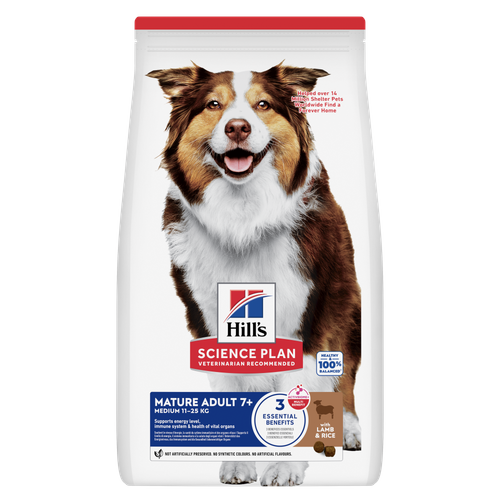
Medium Mature Adult Dog Food
Hill's Science Plan Medium Breed Mature Adult Dog Food with Lamb & Rice is a complete pet food, specially formulated with ActivBiome+ Multi-Benefit Technology.
This food is specifically designed for the ageing needs of medium dogs.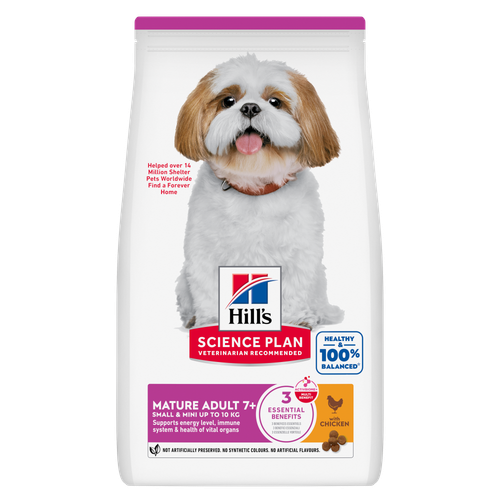
Small & Mini Mature Adult Dog Food
Hill's Science Plan Small & Mini Breed Mature Adult Dog Food with Chicken is a complete pet food, specially formulated with ActivBiome+ Multi-Benefit Technology.
Tailored nutrition to support graceful ageing in small dogs. Specially made with a synergistic blend of nutrients for energy & vigor.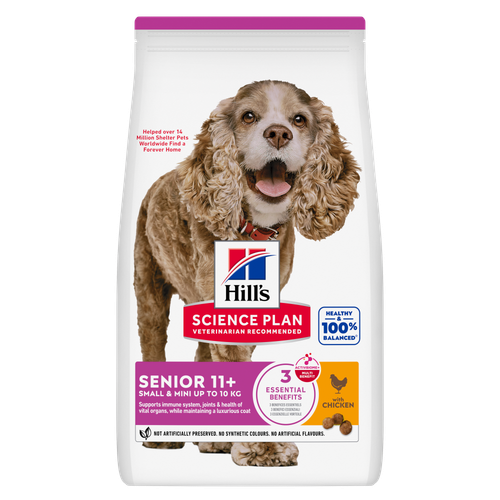
Small & Mini Senior Dog Food
Hill's Science Plan Small & Mini Breed Senior Dog Food with Chicken is a complete pet food, specially formulated with ActivBiome+ Multi-Benefit Technology.
Tailored nutrition for the unique needs of senior small dogs.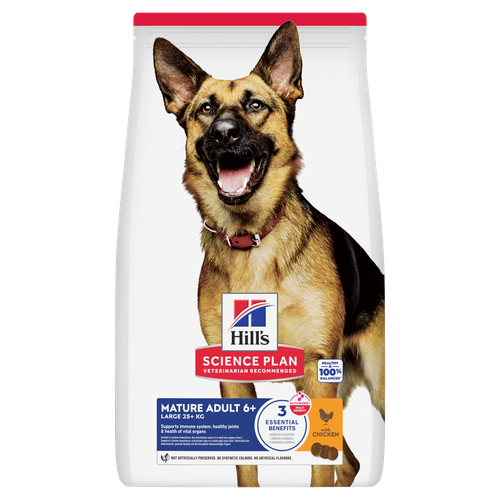
Large Breed Mature Adult Dog Food
Hill's Science Plan Large Breed Mature Adult Dog Food with Chicken is a complete pet food, specially formulated with ActivBiome+ Multi-Benefit Technology.
This food is specifically formulated with ingredients to support healthy ageing in large breed dogs.
Related articles

Puppy Teething Guide: Tips, Dental Care and More
Navigate through the often challenging puppy teething stages with this guide. Discover expert tips for new puppy parents and more with Hill's Pet Nutrition.

Halloween Safety Tips for Dogs
Ensure a safe and confident scary Halloween season for your dog with our expert tips and learn how to keep your dog protected. Visit Hill's Pet UK for more.

Vet's Advice About A Dog Diet
Just like every other pet owner, vets are responsible for giving their pets the best possible nutrition, exercise and care needed to keep them healthy and happy.

Senior Dogs: 10 Most Common Health Issues
Learn about the most common health problems in senior dogs, such as hearing & vision loss, joint problems and dementia, and treatment options.

Put your dog on a diet without them knowing
Our low calorie formula helps you control your dog's weight. It's packed with high-quality protein for building lean muscles, and made with purposeful ingredients for a flavourful, nutritious meal. Clinically proven antioxidants, Vitamin C+E, help promote a healthy immune system.
Put your dog on a diet without them knowing
Our low calorie formula helps you control your dog's weight. It's packed with high-quality protein for building lean muscles, and made with purposeful ingredients for a flavourful, nutritious meal. Clinically proven antioxidants, Vitamin C+E, help promote a healthy immune system.