


When you're a pet parent, your space is no longer your own, which means you have to carefully consider a cat that's best suited for your lifestyle as well as your living space.
Some cats thrive in smaller environments (and it's not always dependent upon the size of the cat), and others, such as those with an abundance of energy, will be happier in larger spaces.
The following breeds are great for those living in flats, but be sure that the feline friend you choose is compatible with you in other ways, too.
Small Living Spaces
If you and your cat will be living in close quarters, look for a cat with an easy-going temperament that is content to be close to their pet parent all the times.

Persians, one of the most popular cat breeds, according to the Cat Fanciers' Association, are a good choice because of their gentle, easy-to-adapt personality. If you entertain in your pad, a Persian will go with the flow and won't harass your guests. However, with Persian's, you may want to budget for higher-than-average veterinary expenses as this breed tends to have health issues. The Ragdoll is also a good choice because, although a large cat, they’re sociable and laid-back, which means they won't get cranky if you're always around. A short-haired option is the Burmese; they’re friendly and get along well with kids and dogs.
Medium to Large Living Spaces
High-energy cats need room to run around, and cats requiring solitude also prefer spacious living quarters that afford them "me time." A fun and loyal breed is the Siamese (but a super scratcher, so look into some DIY scratching post ideas.). Being a vocal cat, a larger living space works best to keep the noise level down. Other active breeds that thrive in larger spaces are the Russian Blue, that love to play fetch, and the Bengal, a chatty cat that stays high-energy throughout life.


Tasty Tips
Adopting a Cat from Shelter
Check with your local shelter for the breeds and types of cats they have. While some purebreds can be more predictable in their nature, adopting a mixed-breed cat can be just as advantageous, and usually with fewer hereditary medical conditions. Often they will exhibit the characteristics of their more dominant breed, but the nice part is that you can really see how the cat interacts in certain spaces. Cats at shelters are often placed in larger rooms for exercise and play. You can see how they interact with the space to get a better feeling of how they would engage at your place. If they tend to stay close to the walls and hides out in sheltered places, they are probably more suited to a smaller flat. However, if you see them zooming all around the room and climbing on things, they have an adventurous spirit and would probably love the space to spread out and explore a large home. No matter what cat you decide to adopt, you can help them adapt to their surroundings by providing the essentials.
Preparing Your Place for a Cat
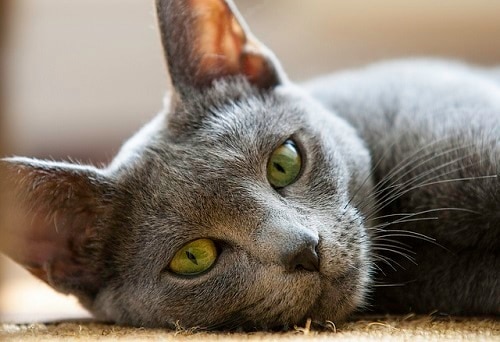
A loft-style flat with plenty of windows gives your cat many opportunities for running, jumping and gazing out the window. If your flat is small and cozy, they’ll find plenty of places to curl up and snooze. No matter what the square footage, your cat will need a private domain (and so will you). As VetStreet points out, cats love small spaces where they can snuggle up and feel secure, and if your flat is large, it's especially important to provide your cat with spots they can call their own. Try a strategically placed cardboard box or two or space under a table or bed.
Pay special attention to the number of cat-accessible windows. If the flat doesn't have many windows, a balcony or patio door makes a great cat-viewing space, too. (For your cat's safety, secure all screens including patio doors to ensure that they won't fall or escape). If the windows or doors look out onto a busy street or a green space filled with trees, flowers and birds, you've hit the cat jackpot!
Non-carpet flooring, such as hardwood, is easier to keep pet hair-free but requires frequent sweeping. If you go this route, be sure to provide your kitty with plenty of soft sleeping spaces. For example, invest in a plush sofa or chair (big enough to accommodate you and your cat, of course).
Before signing on the dotted line, confirm with the landlord that the flat really is a pet-friendly place. Read the fine print on the lease agreement to see what your responsibility is as a pet owner. Many landlords and leasing agencies require an additional "pet security deposit" for any potential mishaps, and you don't want to be hit with any surprises down the road.
By considering what living space works best for your lifestyle and what the best cats for flats are, you and your furry roommate will live happily ever after!

Related products
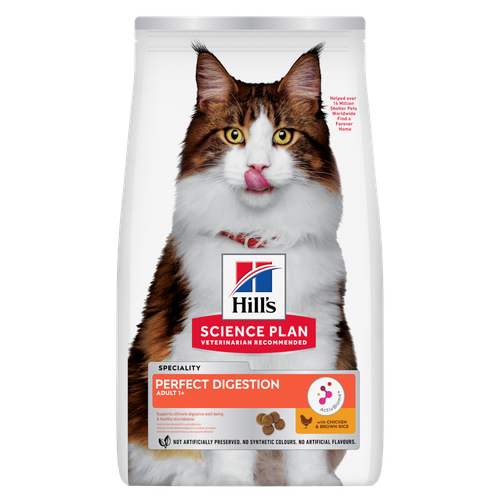
Perfect Digestion Adult Cat Food
Hill's Science Plan Perfect Digestion Cat Food with Chicken & Brown Rice nourishes your cat's unique microbiome and helps them reach their full potential.
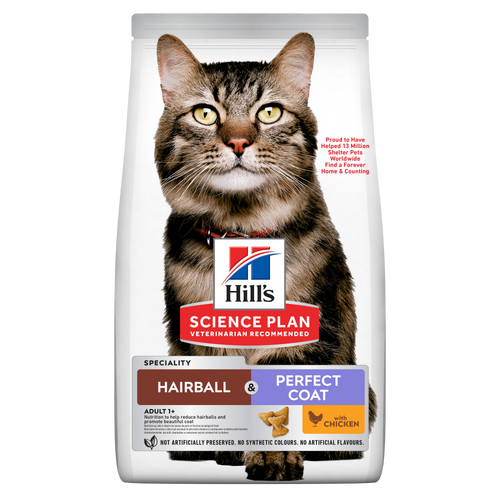
Hairball & Perfect Coat Adult Dry Cat Food with Chicken
Hill's Science Plan Hairball & Perfect Coat Adult Cat Food with Chicken is formulated to effectively help avoid hairball formation in adult cats while promoting a beautiful coat. Thanks to its mix of essential omega-6 fatty acids, this food benefits the cat's skin and fur, keeping them healthy and shiny. Our Advanced Fibre Technology helps reduce hairballs by naturally promoting their passage through the gut. This food is formulated with high-quality protein for a perfectly balanced, great-tasting recipe.
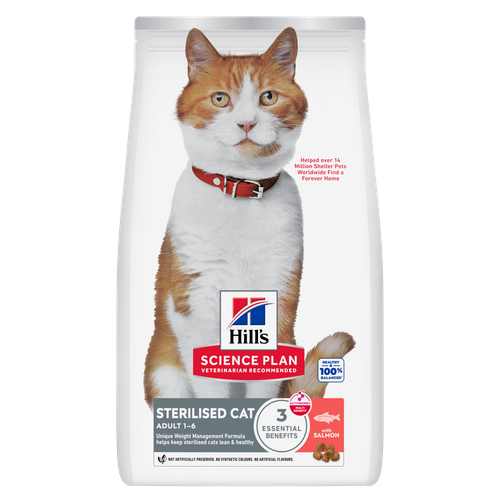
Sterilised Adult Cat Food
Hill's Science Plan Adult Sterilised Cat Dry Food with Salmon is specially formulated with ActivBiome+ Multi-Benefit Technology. It is a precisely balanced nutrition, tailored to meet the needs of sterilised cats, to help keep them lean & healthy.

Sensitive Stomach & Skin Adult Cat Food
Hill's Science Plan Adult Sensitive Stomach & Skin Cat Premium Chunks in Sauce with Turkey is a complete pet food for adult cats aged 1-6 years
Related articles
Cat Personalities: Considerations for Your Lifestyle
Learn important things to look for when getting a cat, such as age, hair length, and which cat breed personalities will suit your lifestyle best.

Five of the Friendliest Cat Breeds
If you're looking for a friendly cat to welcome into your home, learn about six of the nicest & most affectionate cat breeds around.

How Many Cat Breeds Are There?
Learn how the history behind different registries of cat breeds, how each registry differs in their classifications, and if new breeds are accepted.

Determining Your Cat's Breed
Learn some easy ways to help you figure out what breed your cat is, such as physical characteristics like her coat color and body shape.
Put your cat on a diet without them knowing
Our low calorie formula helps you control your cat's weight. It's packed with high-quality protein for building lean muscles, and made with purposeful ingredients for a flavourful, nutritious meal. Clinically proven antioxidants, Vitamin C+E, help promote a healthy immune system.
Put your cat on a diet without them knowing
Our low calorie formula helps you control your cat's weight. It's packed with high-quality protein for building lean muscles, and made with purposeful ingredients for a flavourful, nutritious meal. Clinically proven antioxidants, Vitamin C+E, help promote a healthy immune system.