


As humans, we are acutely aware of the risks of breast cancer, but cat breast cancer is not often talked about. You may be surprised to know that cat breast cancer is the third most common malignant tumour in cats after lymphoma and skin cancer.
Cat breast cancer is very often malignant, meaning it can quickly spread to other parts of the body, so early diagnosis is very important. In this article, we’ll look at the early signs of breast cancer in cats, what treatment options are available, and perhaps most importantly, how you can help to prevent it in the first place.
What are the early signs of breast cancer in cats?
The most commonly observed physical clue pointing toward breast cancer in cats is, as you may expect, a growing mass along the breast tissue chain on the cat's chest and abdomen. Masses may be isolated, all located on one side or seem to be randomly distributed. Unfortunately, by the time many pet parents notice it, the cancer may have spread to internal organs. Beyond lumps or swollen tissue, breast cancer in cats can also appear as:
- Skin rash on the breast tissue
- Reddened, painful skin
- Swollen tissue that may be bleeding or seeping discharge
- Ulcerated tissue
- Black and necrotic tissue


Tasty Tips
What are the risk factors for breast cancer in cats?
Entire vs spayed:
By far the biggest risk factor for breast cancer in cats is not being spayed. Breast cancer is related to hormones, and the more hormone cycles your cat goes through, the more likely they are to get breast cancer.
Age:
Breast cancer is most common in older cats, around the age of 11-13 years. This is partly because cancer tends to be more common in ageing animals but also because older entire cats will have had the most hormone exposure.
Breed:
Some breeds such as Siamese and Oriental cats seem to be at risk of developing breast cancer at a younger age than their moggy counterparts.
Sex:
It may seem obvious, but female cats are vastly more likely to get breast cancer than male cats. However, just the same as in human men, breast cancer can rarely occur in male cats too.
How is breast cancer in cats diagnosed?
Dr. Margaret McEntee, a professor of Veterinary Oncology at Cornell University's College of Veterinary Medicine, explains, ‘a cat has two “chains” of four mammary glands and nipples running parallel on each side of its belly.’ It is along this mammary chain that breast cancer is found in the cat. The tumour often starts so small it is easily missed by even the most attentive pet parents. The mass is most often located just beneath or next to one of the nipples, though anywhere along the breast chain or the surrounding tissue is possible.
To move forward with a diagnosis, your vet may recommend two diagnostic tests:
Radiographs (X-rays):
Radiographs will help your vet see if there is already obvious spread of a tumour to your cat’s lungs or other organs.
Biopsies:
Biopsies are samples of the affected tissue. These are then examined at a microscopic level to see if the cells are cancerous and if they are malignant or benign.
These tests allow your vet to avoid confusing mammary tumors with non-dangerous overgrowth of mammary tissue, called mammary hypertrophy. While nursing, cats may also develop swollen breast tissue for other reasons, including mastitis, an infection of the breast tissue, or a clogged milk duct. If you see any abnormal swelling, it’s best to contact your veterinarian as soon as possible.
What is the treatment and prognosis for cats with breast cancer?
Before any kind of treatment is undertaken, your vet will want to stage the tumour and check for other health problems. Staging will tell your vet how serious the tumour is and whether it has spread. Blood and urine tests for concurrent health problems are important. Most cats with mammary (breast) cancer are older cats so may have other issues like kidney disease.
There are four stages of breast cancer in cats, which are outlined below, however the treatment of each varies somewhat by stage.
Stage 1:
Tumour is less than 2 cm, no spread to lymph nodes or other organs.
Stage 2:
Tumour is 2-3 cm, no spread to lymph nodes or other organs.
Stage 3:
Tumour is less than 3 cm and there is spread to lymph nodes, but not other organs, OR tumour is more than 3 cm and may involve lymph nodes but not other organs.
Stage 4:
Tumour is any size, may involve lymph nodes and has spread to other organs.
If your cat is diagnosed with breast cancer that your vet feels can and should be treated, the most common treatment is surgery to remove the mammary tissue. Depending on the type of tumour and how aggressive it is, your vet may opt to remove all the mammary tissue, not just the area with the lump(s).
In some cases, surgery will be sufficient, but if there is any sign of spread, your vet may also want to use chemotherapy as well as surgery to ensure the best prognosis for your cat. Cats generally experience fewer and less severe side effects from chemotherapy than humans because a gentler dose and less intense schedule is typically used in cats. While cats may sometimes experience an upset stomach from chemotherapy, they usually do not experience hair loss like people do.
The prognosis varies depending on the stage of the tumour. Some cats will live for more than three years after surgery, while others may only have four to six months. This is why it’s important to have as much information as possible prior to embarking on treatment and discuss the situation fully with your vet.
Can cat breast cancer be prevented? The importance of spaying
You can never guarantee that your cat won’t get breast cancer, but you can make a massive difference in their cancer risk by spaying them. It’s thought that spaying before the first season reduces the risk by over 90%! In a world where there are far too many unwanted cats, spaying makes absolute sense for so many reasons. These days, many vets are happy to neuter cats at around 4 months of age. Talk to your vet about the best timing for your individual cat.
Obesity is also a risk factor for cancer in general, so keeping your cat slim and active throughout life is a good idea and can prevent many health problems.
Be vigilant
‘Cancer’ is a scary word, and one that none of us wants to hear for us or our pets, but it’s sadly a fact of life for many. If, for some reason, you are not going to spay your cat, be vigilant. From a young age, get them used to being gently handled and stroked all over. This way, you can regularly check their mammary tissue for anything out of the ordinary. The more you know what is normal for your cat, the earlier you will spot anomalies.
Regular vet visits are essential for health in general. Throughout life, a yearly examination is essential. As your cat ages, your vet will probably suggest that this becomes more frequent. Every 6 months is often recommended for senior cats.
We all want as long as possible with our beloved animals, so being vigilant at home and keeping a good veterinary schedule are great ways to make sure that happens. Hopefully, breast cancer will never be something you and your cat have to tackle, but being prepared and knowing what to look for will put you ahead of the game if it does happen.
Frequently Asked Questions about cat breast cancer
What are the early signs of breast cancer in cats?
The most common signs are lumps in the mammary (breast) tissue. You may see ulcerated or bleeding patches as well.
Can breast cancer in cats be treated?
In many cases, yes, if it’s detected early enough. The smaller the tumour, the better the prognosis. Surgery is often utilized to remove the mammary tissue. Some may need chemotherapy as well.
How can I prevent breast cancer in my cat?
By far the best way to prevent breast cancer in cats is spaying. Spaying before the first season or heat reduces the risk of breast cancer by over 90%.
What increases the risk of breast cancer in cats?
The main risk factors are:
Not being spayed (by far the most important factor).
Age. Older cats are more at risk.
Breed. Some breeds such as Siamese seem to be more prone.
Sex. It’s rare, but male cats can get breast cancer too. Females are at much greater risk.
Reviewed by Becky Mullis, DVM, DACVIM (Nutrition) and Emma Milne BVSc FRCVS.

Related products
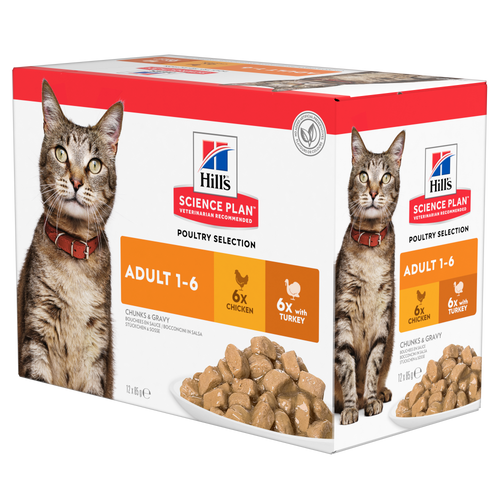
Adult Wet Cat Food with Chicken
Tender chunks in gravy for cats, with high-quality protein to maintain lean muscle. With vitamin E and omega-3s & -6s for healthy skin and balanced minerals to support healthy vital organs.
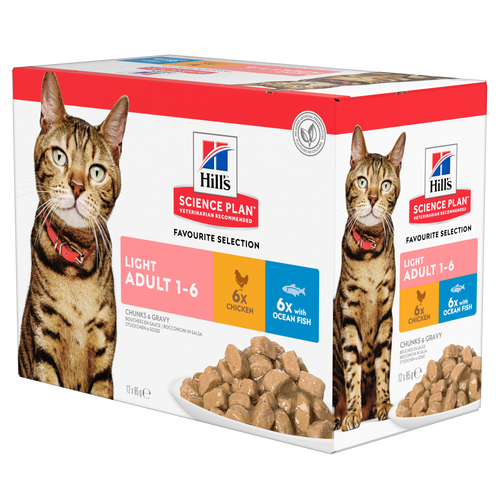
Light Adult Wet Cat Food Chicken
Tender chunks in gravy for cats, with L-carnitine and fewer calories for ideal weight management. Packed with high-quality protein, omega-6s, and vitamin E for shiny fur and healthy skin.
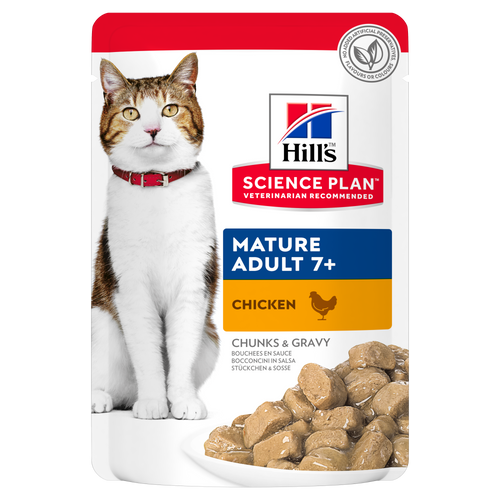
Mature Adult Wet Cat Food with Chicken
Hill's Science Plan Mature Adult Wet Cat Food Premium Chunks in Sauce with Chicken is a complete pet food for mature adult cats 7+ years old
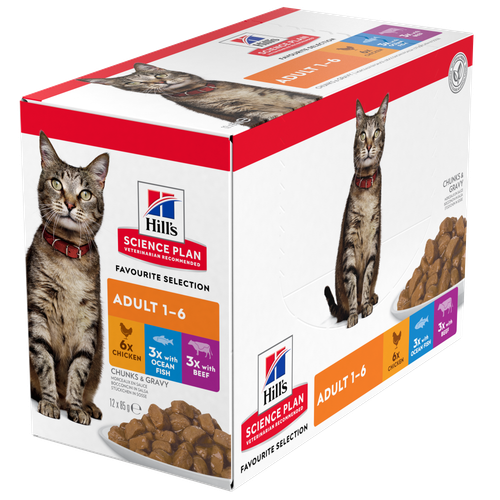
Adult Wet Cat Food with Chicken
Tender chunks in gravy for cats, with high-quality protein to maintain lean muscle. With vitamin E and omega-3s & -6s for healthy skin and balanced minerals to support healthy vital organs.
Related articles
Cats Need Good Nutrition In Order To Stay Healthy
Good nutrition is about the right balance of nutrients. Learn more about health issues when feeding a cat food that has an improper nutritional balance from your friends at Hills Pet Nutrition.

How to Transition Your Cat to Hill's Senior Age Defying Cat Food
Making the informed decision to move your cat to Hill’s Senior 11+ Healthy Aging cat food is an important one. Transitioning your cat to a new food needs to be done the right way. Follow these simple steps for the transition.
What Human Foods Can Cats And Kittens Eat?
Discover which human foods are safe for cats and kittens to enjoy. Ensure your pet's safety with our guide to healthy feeding at Hill's Pet UK.

Hill's Cat Foods: Nutritional Balance Just for Indoor Cats
Find the right Hill
Put your cat on a diet without them knowing
Our low calorie formula helps you control your cat's weight. It's packed with high-quality protein for building lean muscles, and made with purposeful ingredients for a flavourful, nutritious meal. Clinically proven antioxidants, Vitamin C+E, help promote a healthy immune system.
Put your cat on a diet without them knowing
Our low calorie formula helps you control your cat's weight. It's packed with high-quality protein for building lean muscles, and made with purposeful ingredients for a flavourful, nutritious meal. Clinically proven antioxidants, Vitamin C+E, help promote a healthy immune system.