


Neutering offers benefits to both you and your beloved companion. Many vets recommend neutering cats early in their life to ensure no unwanted kittens, fewer worries for you, and health benefits for your cat.
The terminology around neutering can be confusing, but to define the language your vet will use:
Spaying is when a female cat has either her ovaries or both her ovaries and uterus removed.
Castration is officially defined as the removal of any sexual organs, but it’s most commonly used to refer to when a male cat has his testicles removed.
The word ‘neutering’ applies to both sexes and means that they are sterilised and unable to produce kittens.
The benefits of neutering (spaying or castrating)
Prevents diseases
Spaying your female cat before her first oestrous cycle (coming into “season” or "heat", or being able to breed) greatly reduces the risk of mammary cancers later in life. This is because the levels of hormones such as oestrogen, which encourage the growth of certain cancers, are reduced. Also, the risks of ovarian tumours and uterine infections are much lower.
There are other diseases that can result from natural cat behaviour related to mating. Feline leukaemia (FeLV) and feline AIDS (FIV) are two diseases spread through infected cats biting other cats, according to the Blue Cross (these diseases are different from human AIDS and leukaemia, and cannot be transmitted from cats to people). By reducing your cat's urge to fight over mates and territory, you'll also reduce their chances of contracting these incurable diseases from other cats.
Reduces fighting
Unneutered male cats are driven by hormones to seek mates and defend their territory against intruders. So two or more unneutered male cats in the same household, or even the same neighbourhood, can lead to fighting, especially if there's a female cat in heat nearby. By neutering your cats, you'll reduce their aggressive instincts and lower the chances of fights breaking out. Not only can this reduce the risk of catching FIV and FeLV, as previously mentioned, but your neutered cat is also much less likely to get injuries and painful abscesses.
Reduces incidence of roaming
When a female cat comes into season, both her hormones and instincts are urging her to find a mate. Remember that males are also driven by hormones and mating instincts. Neutering helps to prevent your cats from roaming too far in search of ‘love’ and will reduce their risk of incidents such as car accidents and climbing injuries...
Keeps the home cleaner
Male cats spray their urine on vertical surfaces to mark their territory. The pungent odour of an unneutered cat's urine alerts other males that there's another ‘man about the house’ nearby who has claimed the area as his turf, and tells females he's waiting for his opportunity to mate with her. An unneutered male cat in your house can be a messy and very smelly affair. Neutering a cat reduces or eliminates the urge to spray, and if they do, the scent should be much milder.


Tasty Tips
Female cats also pass bodily fluids when they come into season. These fluids also contain scents to alert males that a fertile female is nearby. By spaying your female cat, you'll eliminate the same problem.
When should you neuter your cat or kitten?
Your vet will recommend the optimal age at which neutering should be done. In general, most vets prefer to neuter cats between the ages of four and six months, before they reach sexual maturity.
What is the process of neutering?
The surgical neutering procedure is done under general anaesthesia. Your vet will explain it all to you and give you specific instructions for pre- and post-operative care. You may need to withhold food for a certain number of hours before the operation. Keeping your cat in the night before the surgery will help avoid them eating elsewhere and also make sure they are not out gallivanting when it’s time to go!
During surgery, your cat will be given an anaesthetic so they won't feel or be aware of what's happening. For male cats, a small incision is made and the testicles are removed. The incision is closed with either dissolvable sutures or surgical glue. Female cats may have a larger incision to remove the ovaries and/or the uterus. Some vets spay cats laparoscopically these days, which is less invasive. Most cats can usually go home the same day unless there are complications or special concerns.
Some vets will fit the cat with a body covering or a cone/collar after the surgery. This keeps your pet from scratching, biting, or licking at the surgical site while it's healing. Most cats do not need medication or special after-care. If your vet wants to see your cat again after the surgery, be sure to bring them in on time.
Will my cat be different after neutering?
After neutering, your cat will return to their old, playful self very quickly. Rest assured they’ll still be the same cat you've always known and loved, but with the added benefit of being more inclined to stay around the home and less likely to mark their territory.
Feeding cats post-neutering
It’s not uncommon for cats to gain weight more rapidly after neutering, so it's important to make sure yours is kept active and fed the right amounts to stay at their ideal weight. Ask your vet whether you should change their food and make sure they get regular weight checks as they grow. This will help you keep them slim and healthy, and spot unwanted weight gain before it’s too late. The benefits of neutering your cat far outweigh any drawbacks. Yes, it can be scary to bring your beloved pet in for surgery, but it is well worth it when you consider the higher risks of serious diseases, unwanted kittens, wandering off and getting into trouble. If you haven't already done so, talk to your vet about having your cat neutered.
Reviewed by Dr. Hein Meyer, DVM, PhD, Dipl-ECVIM-CA and Dr. Emma Milne BVSc FRCVS

Related products
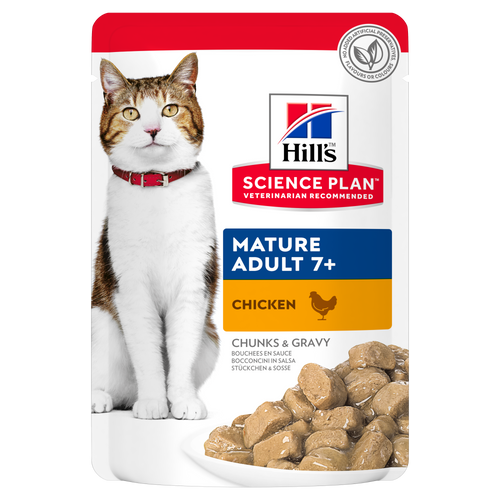
Mature Adult Wet Cat Food with Chicken
Hill's Science Plan Mature Adult Wet Cat Food Premium Chunks in Sauce with Chicken is a complete pet food for mature adult cats 7+ years old
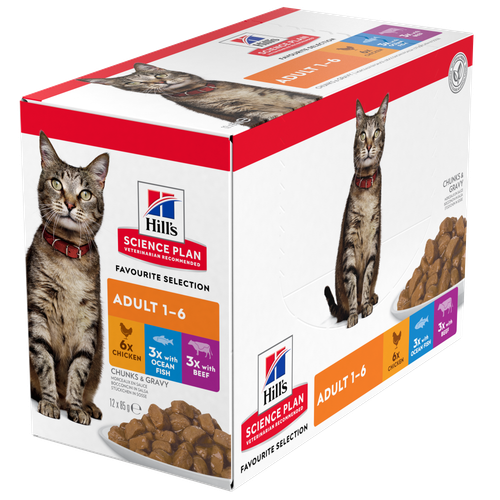
Adult Wet Cat Food with Chicken
Tender chunks in gravy for cats, with high-quality protein to maintain lean muscle. With vitamin E and omega-3s & -6s for healthy skin and balanced minerals to support healthy vital organs.
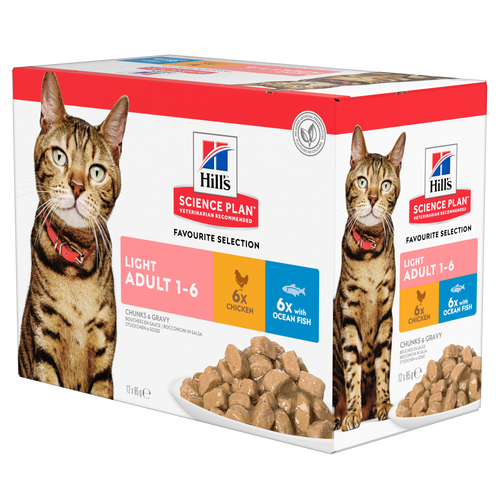
Light Adult Wet Cat Food Chicken
Tender chunks in gravy for cats, with L-carnitine and fewer calories for ideal weight management. Packed with high-quality protein, omega-6s, and vitamin E for shiny fur and healthy skin.
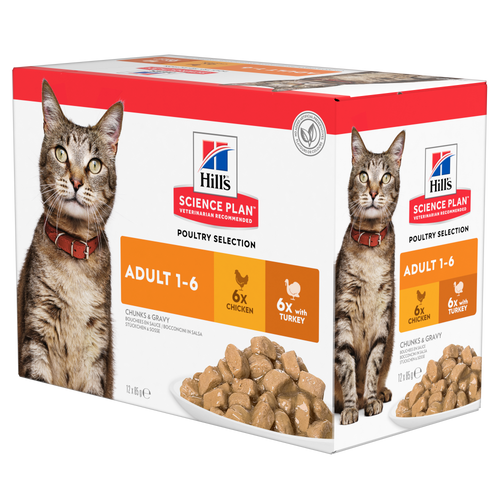
Adult Wet Cat Food with Chicken
Tender chunks in gravy for cats, with high-quality protein to maintain lean muscle. With vitamin E and omega-3s & -6s for healthy skin and balanced minerals to support healthy vital organs.
Related articles

Pancreatitis In Cats: Signs, Causes And Treatment
Learn about the signs, causes and treatments of pancreatitis in cats and discover the different types of disease. Discover expert advice at Hill's Pet UK.

Male Cat Urinary Blockages: Causes, Symptoms & Treatment
While male cat urinary blockages are common, they can be life-threatening. Learn how to spot symptoms and info on prevention, treatments & stress factors.

Cats in heat
Cats in heat need special care and attention. If your cat has already been through a heat you won't forget her howling and the constant demands for attention.
Pregnancy in cats
If you have or think you have a pregnant cat, click to learn more about how to properly care for her needs including preparation and delivery tips.
Put your cat on a diet without them knowing
Our low calorie formula helps you control your cat's weight. It's packed with high-quality protein for building lean muscles, and made with purposeful ingredients for a flavourful, nutritious meal. Clinically proven antioxidants, Vitamin C+E, help promote a healthy immune system.
Put your cat on a diet without them knowing
Our low calorie formula helps you control your cat's weight. It's packed with high-quality protein for building lean muscles, and made with purposeful ingredients for a flavourful, nutritious meal. Clinically proven antioxidants, Vitamin C+E, help promote a healthy immune system.