
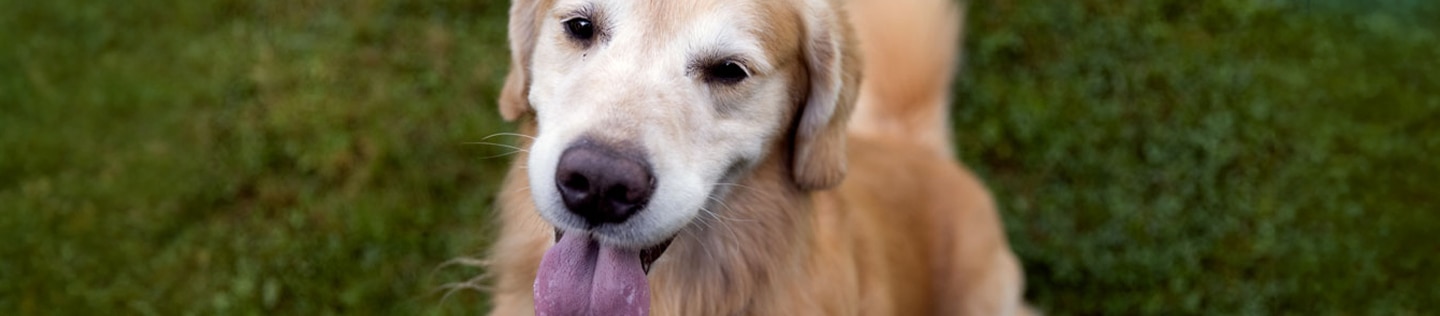

Whether you’ve had your elderly dog for years or you’ve adopted a golden oldie, the fact is that caring for senior dogs brings new challenges for both of you. That said, caring for your best friend through those later years is also a privilege and will bring many special memories. Just as with human ageing, older dogs will experience both physical and mental changes, and being vigilant and aware will help both of you minimise the impact. In this article, we’ll look at what changes to expect and how you can help your beloved older companion have the best senior years possible.
Key signs of ageing in dogs
Dogs come in all shapes and sizes, and in general, the bigger the dog, the shorter the life expectancy. This means that dogs age at different rates. For example, a Great Dane would be considered senior at six to seven years of age, whereas a Jack Russell would still be considered a middle-aged dog at that age. With this in mind, don’t be surprised if the signs of ageing below seem to be happening early if you have a large or giant type of dog.
Physical changes
The physical signs of ageing are usually pretty evident, the most common being:
Weight changes
Weight can go up or down. Older dogs burn fewer calories so many are prone to weight gain and may need diets to help them feel full but not gain weight. Conversely, the more senior dogs may lose weight or struggle to maintain muscle mass. Weight loss can also be one of the first signs of diseases such as diabetes or renal problems.
Bad breath
Dental disease is very common in older dogs, and bad breath is one of the telltale signs.
Stiffness and difficulty moving
Just like us, dogs experience wear and tear on their joints and osteoarthritis is common. You may notice your dog is stiff when they first get up, or they may start to have trouble getting in the car or onto furniture.
Cloudy eyes and poor vision
This is usually due to an ageing change called nuclear sclerosis but can also be due to cataracts, among other problems.
Hearing loss
This may be a physical change in hearing, but sometimes apparent hearing loss can be due to mental changes and brain ageing, which will be discussed below.
Lumps and bumps
Older dogs are prone to benign fatty lumps called lipomas. These usually grow slowly and are painless, smooth lumps. Over time, they can become so large that they cause issues and need removing. Older dogs are also more prone to cancer, so it’s best to always have any lumps you see or feel checked out by your vet.
Poor coat
As your dog ages, they will become less flexible and may stop being able to groom themselves properly, resulting in a poor coat, especially around the rear end where it’s hardest to reach. A poor coat generally can also be a sign of underlying medical conditions.
Incontinence
This is most common in spayed bitches. You may notice puddles when they stand up or leakage when they exert themselves.
Coughing and problems exercising
This can be a sign of heart issues in older dogs and should always be investigated.
Mental health and cognitive decline
Now that dogs live longer lives due to advances in nutrition and medicine, brain ageing is a fairly common issue in senior dogs. The proper term for brain ageing is cognitive dysfunction, but you may also hear it called dog dementia. The signs can be quite subtle at the start, and the most common ones include:
Disturbed sleep patterns
You may notice that your dog sleeps more in the day and is restless at night.
Confusion
Your dog may seem confused. A common example of this is standing by the back door as if they want to go out and then not going when the door is open, as if they can’t remember why they were there.
Unusual vocalisation
Your dog may whine or bark at odd times or for no apparent reason.
Increased fear or anxiety
Loss of recall
As mentioned, some older dogs do lose their hearing as they age, but lack of recall or apparent hearing loss can also be due to cognitive dysfunction.
Loss of toileting control
Aimless wandering
Although these changes are not curable, you can make quite a difference using nutrition or supplements. We’ll look more closely at senior dog foods later, but some specially formulated foods are made with extra antioxidants and high levels of omega-3 fatty acids. These ingredients support brain function and can slow the advance of brain ageing. Always get a vet check if you see any of these signs, in case there is a different neurological issue going on.
Just the same as with people with cognitive decline, be patient with your older dog. These can be challenging times but if you can give them some leeway and follow your vet’s advice, you will both get through it more easily.


Tasty Tips
How to care for ageing dogs
There are several aspects of caring for senior dogs that need to be considered. We’re very lucky to live in a time where medical knowledge and technology allow us to care for our animals better than ever. Here are some of the things you can plan for and do for your older companion.
- Veterinary Care
Your dog’s first year of age and the latter years are the times that veterinary care is most important. Every adult dog should have a clinical exam once a year, but as your dog ages, these check-ups should become more frequent and will involve more tests. As referenced above, dogs age at different rates depending on their size. Ask your vet when your dog is considered older and what your schedule for visits should be. Your vet may want to do blood tests and urine tests routinely. These can be critically important for picking up hidden conditions early, giving you the best chance to act before clinical signs appear. - Pain Management
Vets often hear pet parents say, ‘Oh he’s not in pain, he just limps occasionally’. Stiffness and limping are signs of pain. Reluctance to get in the car and hesitating before jumping onto the settee are also signs of pain. There are fantastic medications for chronic pain and dietetic foods formulated to help support mobility in dogs with osteoarthritis. Making changes in the home can also make a huge difference to your dog’s pain management. There are fantastic resources provided by Canine Arthritis Management. They will help you consider factors like your flooring and your whole home environment. - Diet and Nutrition
There are so many ways that nutrition can help our dogs, and the senior years are so important. Here are some examples:
- Joint disease
- Kidney disease
- Liver disease
- Heart conditions
- Obesity
- Diabetes
- Mental Health and Behavioural Changes
Again, food and supplements can really help with this, but getting the whole family on board so they understand the reasons behind your dog’s changes and have patience will help too. Be aware when visitors come that your dog may be more anxious. Be even more respectful of their ‘safe space’, and make sure that if and when they retreat, they are left alone. - Exercise and Weight
It’s really important to keep your dog slim for life if at all possible. This will give you more years together and help keep them mentally and physically healthy for longer. As they age, be aware that shorter, more frequent walks will be better than binge exercising at weekends. As they reach their twilight years, don’t force them to exercise if they don’t want to. - Grooming
You may need to groom your senior dog more than you did when they were younger. Be gentle and remember they may have a poor coat because of painful joints.
Dog ageing in conclusion…
Being there for your dog through their golden years is a real privilege and comes with a deep emotional connection. Being on the lookout for signs of ageing and keeping a close relationship with your vet will ensure that you are well equipped to make the latter years of your dog’s life as happy and healthy as they can be.
Frequently Asked Questions about senior dogs care
How old do dogs get?
This varies roughly based on size. Giant breeds may only live to around 6 years, whereas many small dogs can easily live to the ripe old age of 16 or more.
Why do old dogs smell?
This could be due to dental disease and bad breath or because your dog is not grooming themself as much due to stiffness or pain. If you think your dog smells, always get a vet check-up. Dental disease can lead to other more serious health problems.
Do senior dogs need a different food?
It’s best to feed older dogs mature or senior dog foods. These have been formulated to support ageing changes and reduce the workload on internal organs. Foods from your veterinarian can also help many medical conditions common in older dogs such as heart disease, diabetes and kidney problems.
Why do old dogs pace around?
This could be due to pain and reluctance to sit or lie down but is also one of the most common signs of cognitive dysfunction, also known as dog dementia and brain ageing. Other signs include broken sleep patterns, confusion, loss of toileting control and lack of recall. Speak to your vet about special foods that can help and how best to manage your dog given their specific circumstances.
Why do old dogs get lumps?
As dogs age, the same as humans and other mammals, their cells start to function less effectively. This means that when they replicate, there are more genetic mistakes and this is why lumps, both benign and malignant, are more common in older dogs. Most lumps in old dogs are lipomas. These are round, smooth, slow-growing fatty lumps and are usually not cause for concern unless they get very large. Always see your vet if you find a lump to be sure it isn’t a malignant one.
Reviewed by Becky Mullis, DVM, DACVIM (Nutrition).

Related products
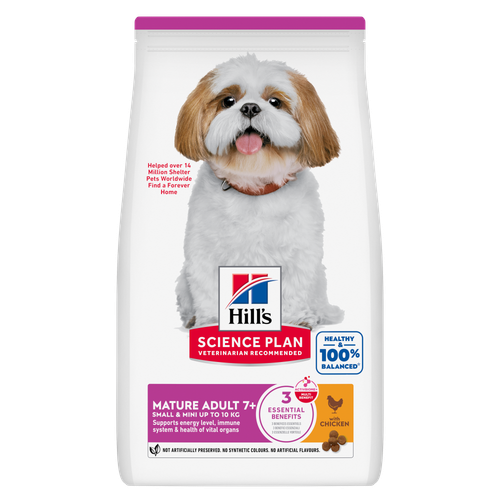
Small & Mini Mature Adult Dog Food
Hill's Science Plan Small & Mini Breed Mature Adult Dog Food with Chicken is a complete pet food, specially formulated with ActivBiome+ Multi-Benefit Technology.
Tailored nutrition to support graceful ageing in small dogs. Specially made with a synergistic blend of nutrients for energy & vigor.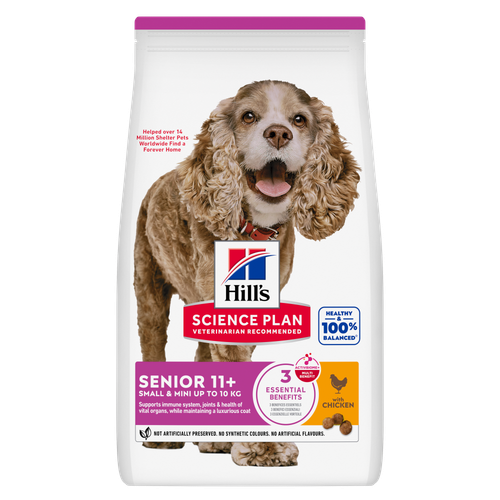
Small & Mini Senior Dog Food
Hill's Science Plan Small & Mini Breed Senior Dog Food with Chicken is a complete pet food, specially formulated with ActivBiome+ Multi-Benefit Technology.
Tailored nutrition for the unique needs of senior small dogs.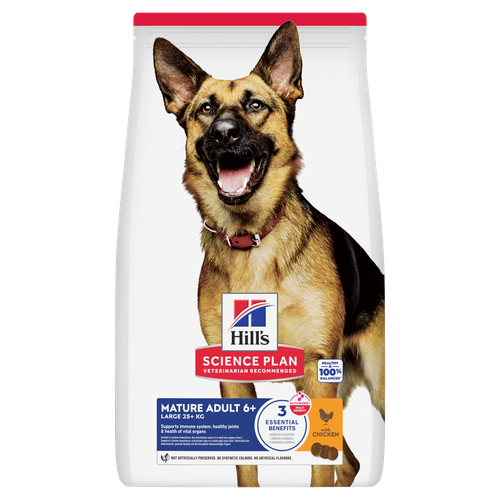
Large Breed Mature Adult Dog Food
Hill's Science Plan Large Breed Mature Adult Dog Food with Chicken is a complete pet food, specially formulated with ActivBiome+ Multi-Benefit Technology.
This food is specifically formulated with ingredients to support healthy ageing in large breed dogs.
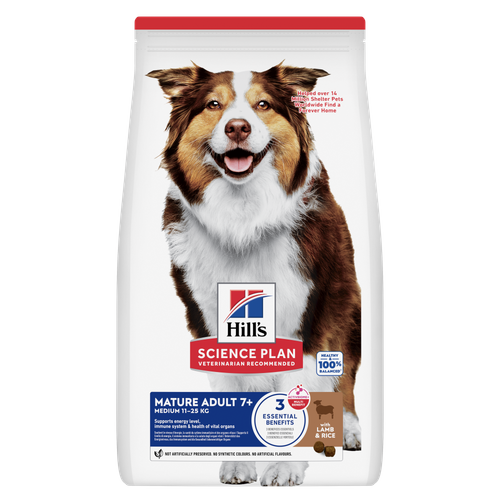
Medium Mature Adult Dog Food
Hill's Science Plan Medium Breed Mature Adult Dog Food with Lamb & Rice is a complete pet food, specially formulated with ActivBiome+ Multi-Benefit Technology.
This food is specifically designed for the ageing needs of medium dogs.Related articles
Halloween Safety Tips for Dogs
Ensure a safe and confident scary Halloween season for your dog with our expert tips and learn how to keep your dog protected. Visit Hill's Pet UK for more.
Senior Dogs: 10 Most Common Health Issues
Learn about the most common health problems in senior dogs, such as hearing & vision loss, joint problems and dementia, and treatment options.
Puppy Teething Guide: Tips, Dental Care and More
Navigate through the often challenging puppy teething stages with this guide. Discover expert tips for new puppy parents and more with Hill's Pet Nutrition.

Vet's Advice About A Dog Diet
Just like every other pet owner, vets are responsible for giving their pets the best possible nutrition, exercise and care needed to keep them healthy and happy.

See what Vets have to say
Read reviews from the experts and see why Hill's is the #1 Veterinarian Recommended brand.
See what Vets have to say
Read reviews from the experts and see why Hill's is the #1 Veterinarian Recommended brand.