


Addison's disease in dogs, more formally known as hypoadrenocorticism in dogs, can be a very frustrating disease for both pet parents and veterinarians alike. Often referred to as 'the great imitator’ by veterinary professionals, this disease can mimic many diseases and cause a range of vague clinical signs that come and go, leaving dog parents scratching their heads in confusion. Read on to learn more about what this disease is, signs your dog might have it and treatment options.
What Is addison's disease in dogs?
There are many sets of glands in a dog's body that produce life-sustaining hormones – ‘chemical messengers’ – that are packaged and distributed throughout the body via the blood. Two such glands in dogs are the adrenal glands, which sit behind the kidneys and produce adrenal hormones.
Adrenal hormones serve numerous important roles, such as regulating blood pressure, controlling the balance of certain electrolytes, maintaining a healthy intestinal tract, and influencing metabolism. In the most simplified and common version of Addison's disease, the adrenal glands produce insufficient amounts of these hormones.
The adrenal glands may be off balance for a number of reasons. However, the most common is because the body's own immune system destroys the adrenal tissue, resulting in the decreased production. This is called an autoimmune disease. In extremely rare cases, it can occur secondary to things such as cancer, prolonged use of steroid medications, brain tumours, and infectious causes.
According to the British Veterinary Association, the prevalence of Addison's disease in dogs is very low, ranging from 0.06% to 0.09%.
Signs of addison's disease in dogs
One reason Addison's can be frustrating for pet parents and vets alike is that its clinical signs can vary so widely. Not only can signs present in a number of ways, but they may come and go for years, often leading pet parents to dismiss early clues of the disease.
That being said, an important clue you may notice is development or repeated episodes of clinical signs associated with times of stress, which we'll discuss in further detail in the treatment of this disease. This is because the hormones produced by the adrenal gland play an essential role in your dog's ability to respond appropriately to stressful situations. Thus, in dogs with Addison's disease where these hormones are deficient, they have an abnormal stress response. This is important to understand for both recognition and treatment if your dog has Addison's disease.
Here are some of the clinical signs that your dog may have hypoadrenocorticism:
- Weight loss
- Recurrent vomiting
- Recurrent diarrhoea, which may or may not be bloody
- Lethargy
- Thin body score
- Increased thirst
- Increased urination
- Pale gums
- Prone to dehydration
- Poor skin coat
- Poorly defined musculature
- Weakness
- Muscle cramps
- Collapse (during an extreme form of the disease, known as an Addisonian crisis)

While any dog can get hypoadrenocorticism, the disease is more often diagnosed in females. According to Merck Veterinary Manual, the disease may be genetically passed down in certain lines of Nova Scotia duck toller retrievers, Portuguese water dogs, Standard poodles, Great Danes, West Highland white terriers, bearded collies and a variety of other breeds.


Tasty Tips
Diagnosing addison's disease in dogs
Your vet's evaluation will start with a history and a physical exam. Addison's disease in dogs is often suspected after a vet listens to your observations, as signs and symptoms come and go, and may not be present at the time of the veterinary visit.
Because the signs of this disease are not just associated with this condition, basic blood and urine tests are recommended as the first diagnostic step. Initial testing can increase or decrease veterinary suspicions while also providing information about your dog's general health and providing your vet with information about other potential diseases. Further blood testing, including a routine biochemistry panel and electrolyte testing, will provide additional clues if the disease is a strong contender.
To officially confirm or rule out the diagnosis, your vet will perform a blood test called an ACTH stimulation test, which involves measuring the response of the adrenal glands to a small, harmless hormone injection. Because this test can be expensive and takes roughly 1-2 hours to perform, vets will often wait to perform this test until they are either highly suspicious of Addison's disease or if they feel it's important to eliminate Addison's disease as a possibility for what's ailing your dog.
Treating hypoadrenocorticism in dogs
If your dog is experiencing an ‘Addisonian crisis’, which is a more severe presentation of the disease characterised by collapse, shock, and severe dehydration, your pet will likely need to be hospitalised to receive IV fluids and supportive care until they recover. If you are concerned that your pet may be experiencing an Addisonian crisis, it's important to have them seen by a veterinarian as soon as possible as this can quickly become life-threatening.
Stable patients can simply begin with medical management, which essentially consists of hormone replacement therapy. This is most often done through daily administration of an oral steroid medication and periodic injections of a medication called DOCP (desoxycorticosterone pivalate), a synthetic form of one of the hormones dogs with Addison's disease are unable to produce themselves. DOCP injections are often needed monthly, but this length of time can vary from dog to dog.
Once you start treatment, it will be important to return to your vet for periodic check-ups so they can run blood tests and make any necessary adjustments to your dog's medications. While most dogs with Addison's disease need both oral steroids and DOCP injections, some dogs may have an atypical version of the disease and may only need one type of medication. Your vet will decide what medications are appropriate based on the diagnostic test results and any concurrent health concerns.
Stress management is also extremely important in dogs with Addison’s. Remember that if your dog has Addison's disease, their body doesn't mount a normal stress response. Severe stressors could even result in an Addisonian crisis. Common stressors can include things such as travel, boarding, thunderstorms, fireworks, and social events, or other disruptions/alterations of your daily routine at home. Veterinary interventions such as routine surgery can also be a trigger.
However, remember that stress is relative to your pet's personality. Something that may seem relatively normal to you could be a significant stressor for your pet. A classic example would be a sudden change in your work schedule. Thus, it's important to understand your dog's unique personality quirks to help identify potential triggers. Although it's nice to try and avoid stressors altogether, the reality is that this may not always be possible. Make sure you talk with your veterinarian about how to handle stressful events to keep your dog happy and relaxed at home.
Close communication between you and your veterinary team is essential. Most dogs treated for Addison's disease respond extremely well, despite the fact that treatment generally continues for the rest of the dog's life. Despite the perplexing presentation, this disease tends to be very manageable once diagnosed and under control.
Reviewed by Dr. Hein Meyer, DVM, PhD, Dipl-ECVIM-CA and Dr. Emma Milne BVSc FRCVS

Related products
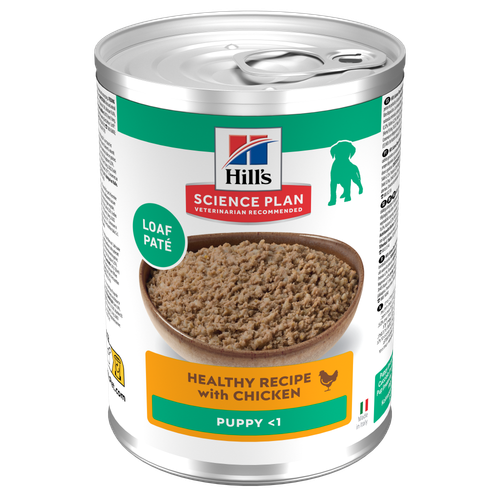
Puppy Food
Hill's Science Plan Puppy Wet Dog Food with Chicken is a complete premium pet food for growing puppies from weaning until 1 year old and for pregnant and nursing dogs. This deliciously smooth minced chicken loaf is precisely balanced to deliver the appropriate amount of energy to support the needs of growing puppies.
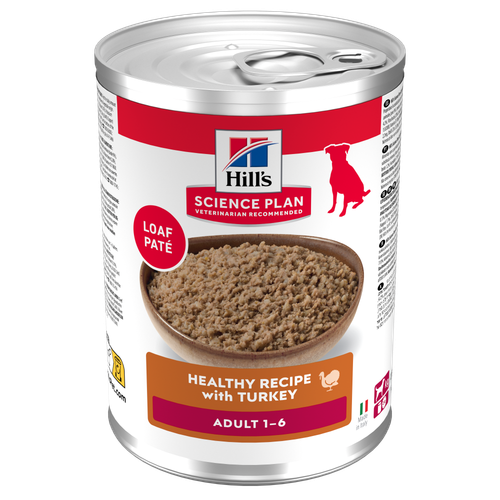
Adult Dog Food
Hill's Science Plan Adult Wet Dog Food with Turkey is a complete premium pet food for adult dogs from 1 year. This deliciously smooth minced turkey loaf is formulated to deliver the appropriate amount of energy to support the needs of adult dogs.
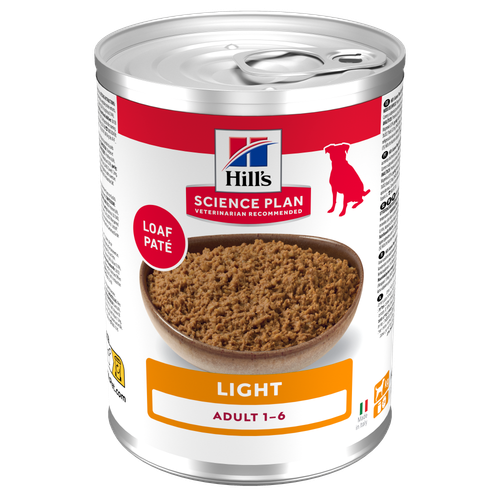
Adult Light Dog Food
Hill's Science Plan Light Adult Wet Dog Food is a complete premium pet food for adult dogs that tend to gain weight easily. This deliciously smooth loaf is formulated to deliver the appropriate amount of energy to support weight maintenance in adult dogs.
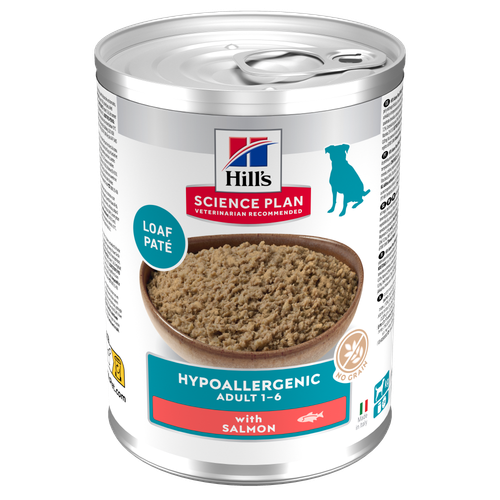
Hypoallergenic Adult Dog Food
Hill's Science Plan Hypoallergenic Adult Wet Dog Food with Salmon is a complete premium pet food for all adult dogs from 1 year. This savoury tinned loaf is specially formulated for dogs with delicate skin and stomachs. It features a single novel animal protein source and is grain-free.
Related articles
What should I do about my overweight dog?
Dog obesity is a significant problem - learn more about helping your dog become trimmer and healthier through improved nutrition.
Why Are Labradors Always Hungry? The Science Behind Satiety
Discover the science behind your Labrador's insatiable appetite and what might be the cause. Find out more about your pet's dietary needs at Hill's Pet UK.
Blood in Dog Urine: Causes And Treatment
Discover the causes of blood in dog urine and learn about effective treatment options to ensure your pet's health. For expert advice, visit Hill's Pet UK.
Is Your Dog Stretching a Lot? Reasons Why and When To Worry
Excessive stretching can be a symptom of a hidden issue or a sign of discomfort in your dog's stomach. Find out what to look out for with Hill's Pet Nutrition UK.

Put your dog on a diet without them knowing
Our low calorie formula helps you control your dog's weight. It's packed with high-quality protein for building lean muscles, and made with purposeful ingredients for a flavourful, nutritious meal. Clinically proven antioxidants, Vitamin C+E, help promote a healthy immune system.
Put your dog on a diet without them knowing
Our low calorie formula helps you control your dog's weight. It's packed with high-quality protein for building lean muscles, and made with purposeful ingredients for a flavourful, nutritious meal. Clinically proven antioxidants, Vitamin C+E, help promote a healthy immune system.