


"Should I feed my dog a raw diet?" If you've ever heard another pet parent rave about how his or her dog appears to be thriving on a raw meat diet, you might be asking yourself this question. Proponents of raw diets for dogs point out that dogs are biologically similar to carnivorous wolves, and claim that the benefits of this type of diet include healthier skin, coat and teeth, more energy and smaller stools, according to PetMD. However, there is very little scientific evidence to support these claims. In fact, most of the scientific research on raw meat diets for dogs shows that they could do more harm than good.
Dogs Are Not Wolves
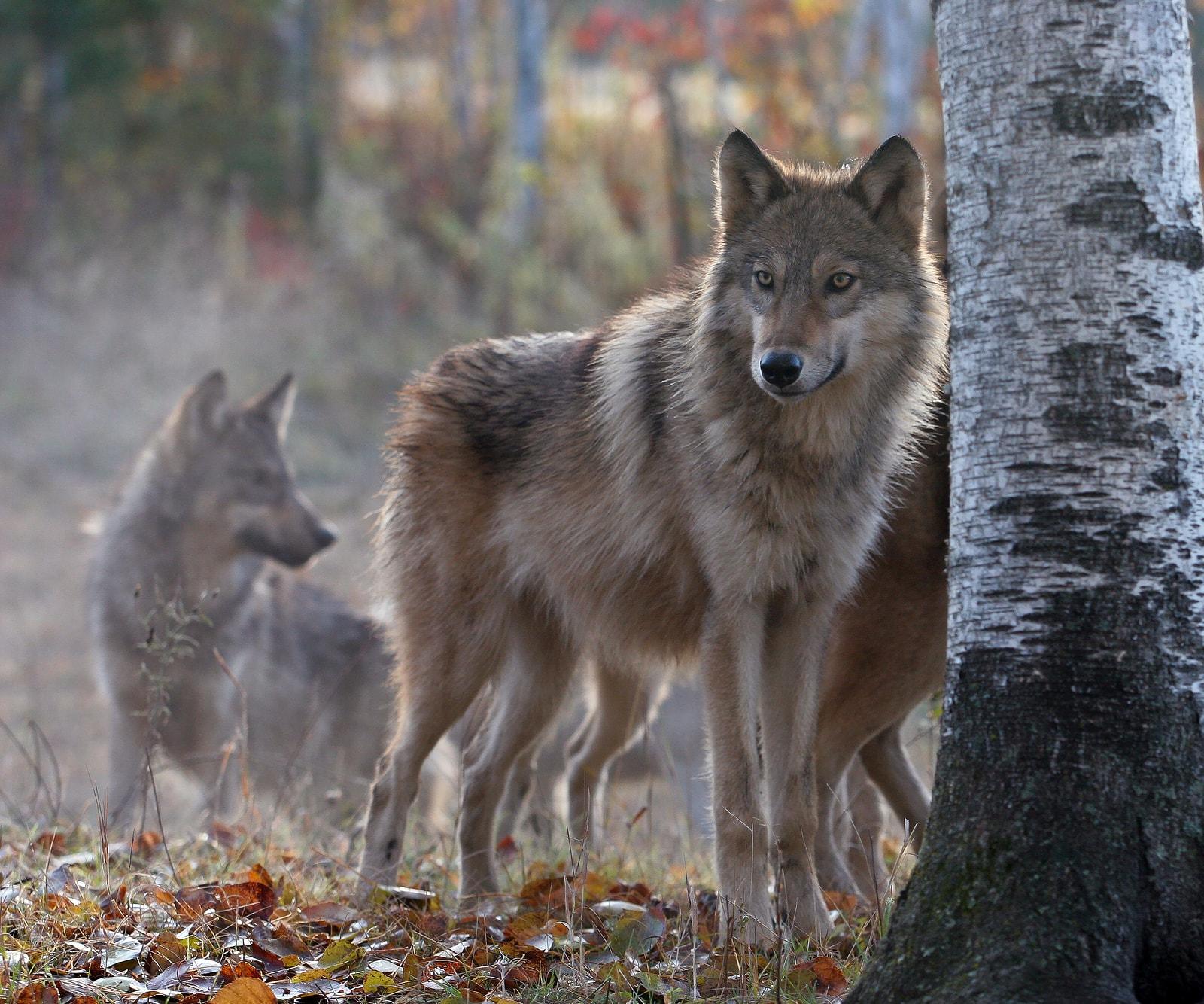 It's a fairly common belief that because dogs are descended from wolves, they should eat a diet similar to that of their wild ancestors. Because wolves are carnivores —meaning that they solely eat meat — it's often assumed that dogs should also be fed a carnivorous diet.
The problem with this assumption is that dogs are genetically different from wolves, says Science Magazine. Dogs split off from wolves and became domesticated thousands of years ago. Since then, they have evolved alongside humans to be able to eat much of what humans eat. In a study published in Nature, genetic researchers found clear evidence that dogs have genetically adapted to eat a diet consisting of meats and starches. Feeding your dog nothing but raw meat as though he's a tame wolf has the potential to deprive them of vitamins and nutrients that are vital to their health. Such a diet could pose serious health risks not only to dogs, but also to people.


Tasty Tips
Dangers of Raw Diets for Dogs
A two-year study conducted by the U.S. Food and Drug Administration from 2010 to 2012 found that raw pet food is more likely than other types of pet food to carry bacteria, including Salmonella and Listeria monocytogenes that cause food borne illnesses. This study prompted the FDA to issue a warning about the public health risks of raw pet food diets. Not only that, but veterinary organisations, like the WSAVA (World Small Animal Veterinary Association) , officially recommend against feeding raw meat-based diets to dogs, as does the PSDA UK and the American Veterinary Medical Association (AVMA).
While it's possible that your dog could get food poisoning from eating raw meat infected by Salmonella, E. Coli, or other disease-causing bacteria, it's more likely that your dog could themselves become a carrier, says The Whole Dog Journal. A dog's stomach acid may neutralise infectious bacteria before they make them sick, but there's a chance they could still pass the bacteria to other dogs or people they come into contact with. What's even more troubling is that a 2011 study in The Canadian Veterinary Journal found that much of the Salmonella found in dogs fed raw meat diets was a type that's resistant to antibiotic drugs.
Another worry of raw diets is obstruction from any bones or other solid artefacts that are not properly removed from the food. These can cause choking or intestinal damage to your dog. Finally, raw diets are not properly balanced to provide your dog with the adequate levels of calcium, phosphorus and vitamin D that are essential to a growing dog's development. For instance, without the right amount of calcium, your puppy could develop skeletal problems.
Balanced Nutrition
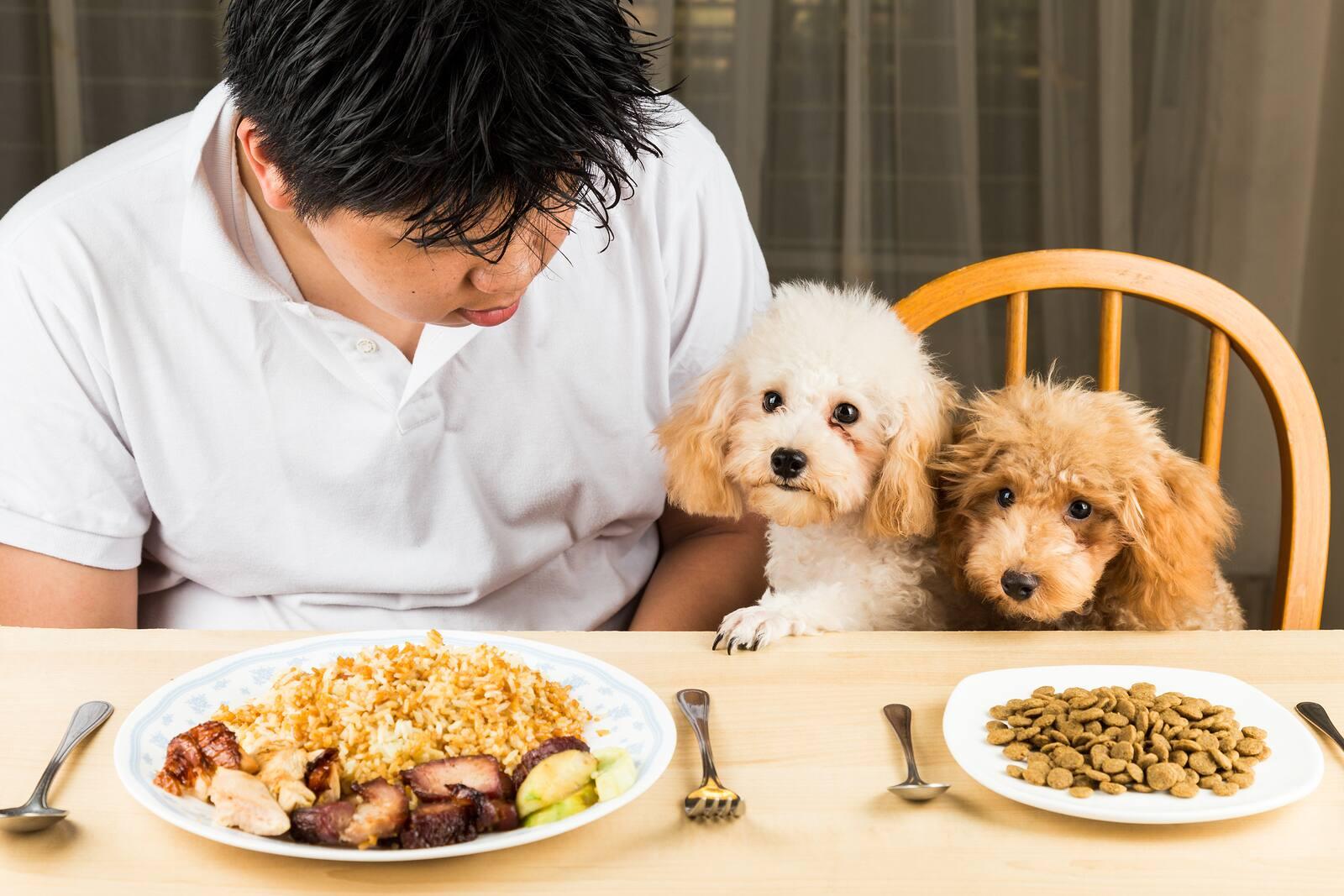 Of course, another important criticism of raw diets for dogs is the lack of balanced nutrition. For healthy dogs that aren't dealing with health problems that require a specialised diet, the American Society for the Protection of Cruelty to Animals recommends feeding a diet with the right balance of protein, water, fats, carbohydrates, vitamins and minerals. High-quality dog foods are formulated specifically to meet these needs in the correct amounts. What's more, a dog's nutritional needs change as they go through different life stages. Dog foods are typically specifically suited to each stage of your pet's development.
Proponents of raw food diets claim that their dogs' skin and coats showed improvements after switching to raw meat diets; however, it's possible that any previous skin problems occurred from low-quality pet food, an environmental factor no longer around, or negative reactions to an ingredient in one brand of dog food. Instead, switching their dogs to a high-quality dog food may lead to similar improvements while ensuring that their dogs receive the proper balance of nutrients.
Raw Diet Safety
In spite of the risks and the lack of scientific evidence supporting the health benefits of a raw food diet, many people still insist that a raw diet is the healthiest way to feed their dogs. If you're not convinced that raw diets for dogs should be avoided, here are some safety guidelines recommended by the FDA to help reduce the risk of contamination to you and your dog.
- Avoid touching your face or mouth while handling raw pet food.
- Thoroughly wash your hands with soap and water after handling raw meat.
- Clean and disinfect all surfaces, utensils and other objects that came into contact with the raw pet food. The FDA recommends washing the surface with soap and water and then following with a solution of one tablespoon of bleach to one quart of water.
- Freeze raw meat or poultry until you're ready to use them (freezing does not guarantee killing of all the bacteria. Salmonella and E. Coli can often be resistant to cold temperatures). Thaw raw meat in your refrigerator or microwave, not in the sink or on the counter.
- Carefully handle raw meat or poultry to avoid spreading raw juices to other areas.
- If your pet doesn't finish their food, immediately refrigerate or carefully dispose of the leftovers.
- Avoid kissing your dog on or near their mouth, and don't allow them to lick your face.
- Be sure to wash your face and hands after handling or being licked by your dog.
It's also a good idea to wear disposable gloves while handling your dog's food and to feed them on disposable plates. Because young children and the elderly are especially susceptible to foodborne illnesses, they should never come into contact with this type of dog food.
Your pet's stool is also a potential source of contamination. Be sure to collect and safely dispose of your dog's stool, taking care not to come into contact with it. Thoroughly wash your hands with soap and water when you're done.
With this evidence in hand, you can confidently answer "No" the next time you hear the question "Should I feed my dog a raw diet?" While the enthusiasm of raw diet proponents can be alluring, the safety of your dog and the people in your household should be your highest priority. If you're still not sure, talk to your veterinarian about the best type of food to feed your dog.

Related products
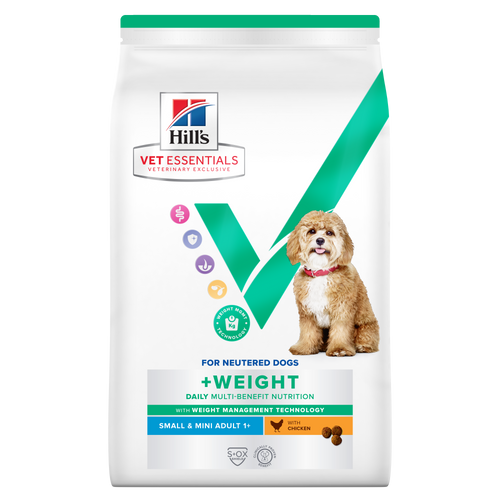
Multi-Benefit + Weight Adult 1+ Small & Mini Dry Dog Food
Chicken recipe dry dog food for small breed dogs after neutering. With weight-management technology for optimal weight, fibre blend for healthy digestion and controlled minerals for urinary health.
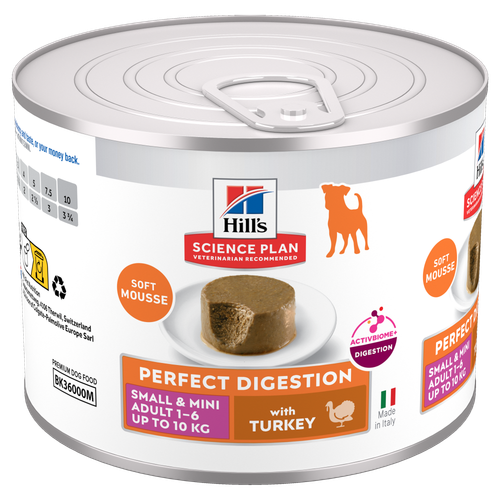
Perfect Digestion Small & Mini Adult Dog Food
Hill's Science Plan Perfect Digestion Small & Mini Adult Dog Food with Turkey is a complete premium pet food for small breed adult dogs aged 1–6 years. This deliciously smooth mousse is precisely balanced to deliver the appropriate amount of energy and to support digestive health in adult, small breed dogs.
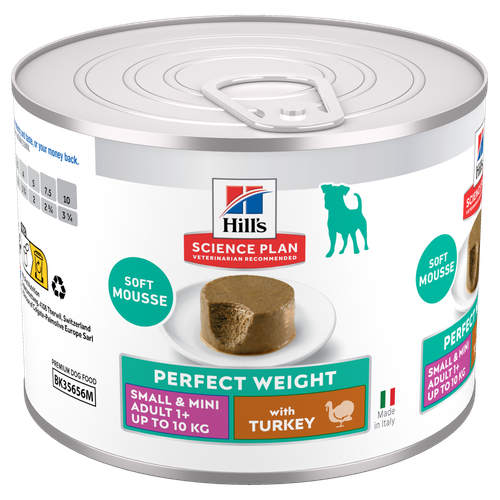
Perfect Weight Small & Mini Adult Dog Food
Hill's Science Plan Adult Small & Mini Dog Food with Turkey is a complete premium pet food for adult small dogs from 1 year old that are prone to weight gain or slightly overweight. This deliciously smooth mousse is formulated to deliver the appropriate amount of energy to support weight maintenance in adult dogs.
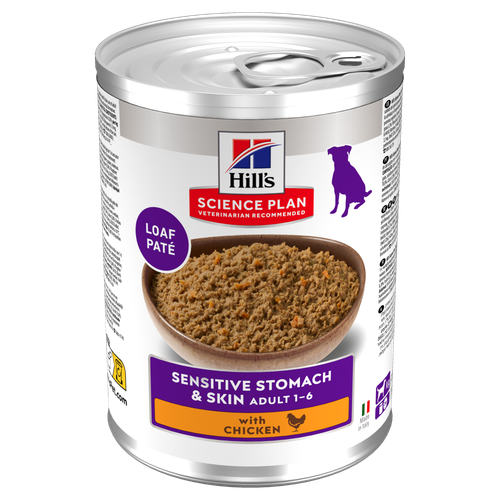
Sensitive Stomach & Skin Dog Food
Hill's Science Plan Sensitive Stomach & Skin Adult Wet Dog Food with Chicken is a complete premium dog food for adult dogs from 1 year. This savoury tinned loaf is enriched with ingredients that support digestive health & skin care.
Related articles
Is Senior Dog Food Necessary? Understanding the Difference Between Senior, Mature and Adult Dog Foods
Learn why senior dog food is necessary, how it differs from adult formulas, and when to switch to support your dog’s ageing health and vitality.

How to Feed a Fussy Eater Dog: Tips & Advice for Dog Picky Eaters
Learn effective tips for feeding a dog that's a picky eater and ensure proper nutrition for a finicky eater. Discover tips for pet parents at Hill's Pet UK.

Wet or Dry Dog Food: What's Best For Your Dog?
Explore our guide to the pros and cons of wet and dry dog food to find what's best for your dog's needs. For expert nutritional guidance, visit Hill's Pet UK.
Dogs & Holiday Sweets: Which Are Bad & What To Do if a Dog Eats Them
If you suspect that your dog has eaten holiday sweets or candy, find out which common treats might be dangerous for him and what you should do next.

Put your dog on a diet without them knowing
Our low calorie formula helps you control your dog's weight. It's packed with high-quality protein for building lean muscles, and made with purposeful ingredients for a flavourful, nutritious meal. Clinically proven antioxidants, Vitamin C+E, help promote a healthy immune system.
Put your dog on a diet without them knowing
Our low calorie formula helps you control your dog's weight. It's packed with high-quality protein for building lean muscles, and made with purposeful ingredients for a flavourful, nutritious meal. Clinically proven antioxidants, Vitamin C+E, help promote a healthy immune system.