


What is feline diabetes?
Diabetes (diabetes mellitus) is a condition that develops when your cat cannot use sugar (glucose) effectively or control the sugar levels in the blood. Insulin, a hormone made in the pancreas, regulates the use and storage of blood glucose, taking it from the blood into the cells where it is needed. Picture it like a parent picking up a toddler from nursery and taking them home. Insufficient insulin production is potentially life-threatening.
What causes diabetes in cats?
There are two broad ways that diabetes occurs. The first is that the body’s immune system starts attacking the insulin-producing cells of the pancreas. This is irreversible and is more common in dogs than cats. The second, which is the most common type of diabetes in cats, is where the body’s cells become more resistant to insulin. This means the pancreas has to work harder to produce extra insulin. Over time, the cells become exhausted and insulin production starts to decline. This is particularly the case with overweight and obese cats. This type of diabetes can sometimes be reversed with prompt diagnosis, treatment and weight loss.
Other factors that increase the chance of your cat developing diabetes include:
- Body condition. Overweight cats are much more likely to develop diabetes. Severely obese cats are most at risk.
- Age. Cats can develop diabetes at any age, but peak onset is around 8 years.
- Gender. Diabetes in cats is more prevalent in males.
- Breed. Burmese are more at risk than other breeds.
- Other factors. Poor nutrition and hormonal abnormalities can increase risk.
Signs of diabetes in cats?
The signs of diabetes are difficult to recognise because they are similar to those of other disorders, like chronic kidney disease and hyperthyroidism. If you notice any of the following, it could mean your cat has diabetes.
Signs and symptoms of diabetes:
Increased thirst and urination
Weight loss
Not eating
Increased appetite
Tiredness
Weakness
Lethargy
Vomiting
Depression
Abdominal pain
If your cat shows these symptoms, they could be diabetic.
Diagnosing feline diabetes
Your vet will want to do blood tests and analyse a urine sample. Because of the lack of insulin taking glucose from the blood into the cells, the blood sugar level gets higher and higher. The kidneys play a major role in keeping the levels of sugar and other nutrients in the blood at a normal, safe level. This is called ‘homeostasis’. The kidneys start to excrete extra sugar into the urine to try to lower the levels in the blood. Imagine this like the overflow hole in a sink. This is why diabetic animals and humans have sugar in their urine.
The blood tests will make sure there is nothing else going on at the same time and look at the level of glucose in your cat’s bloodstream. Some healthy cats will have a high glucose level just from the stress of going to the vet’s, so your vet may look at a longer term marker called fructosamine. They may also want to do a series of blood tests or ask you to do some pin prick blood tests at home, where your cat will be more relaxed and the results are more reliable. There are also devices available now that are implanted in the skin and continually monitor your cat’s glucose. These are useful in both the diagnosis stage and monitoring the effectiveness of treatment afterwards.


Tasty Tips
Treating diabetes in cats
The keys to effective treatment of diabetes in cats are weight management, nutrition, and appropriate use of medication.
- Weight loss. Diabetic cats are usually experiencing a period of unhealthy weight loss when they are diagnosed. Your vet will want to halt this unhealthy weight loss and stabilise your cat, possibly with the use of insulin or oral medication. If your cat is still overweight once stable, your vet may adjust their rations or feeding regime to get them down to a healthy, ideal weight. Being obese makes the body more resistant to insulin which confounds the low production and makes everything worse. Losing weight can reverse this and many cats, with the right food as well, may go completely into remission.
- Nutrition. The best food for cats with diabetes alone is a therapeutic food that is high in protein and low in carbohydrates. These foods have been proven to help cats into remission. If your cat has concurrent diseases, especially kidney disease, they may not be able to have such foods. In this case your vet will recommend a food that serves, as best it can, all the conditions your cat has. Your vet may also opt for a diet that is high in fibre. These can be more filling for some cats that are always hungry on a high-protein food. They can help with weight loss and remission. The high fibre also helps to slow the release of food from the stomach. This means that the food is digested more slowly and glucose is released over a longer period, rather than very big spikes in sugar entering the bloodstream quickly.
Whatever food your cat is on, it’s important to keep the timing of meals and the proportions of wet and dry food as similar as possible from day to day. Ad-lib graze feeding is ideal, but if your cat needs to lose weight and have their food rationed then small, frequent meals are best. Timer feeders are really useful for splitting your cat’s food throughout the day. - Medication. Classically, insulin has been used to stabilise diabetic cats. As we said, sometimes, once cats are an ideal weight, you may be able to taper off the insulin because the body is more sensitive to insulin and the pancreas may have recovered and be producing sufficient amounts. Nowadays there are also oral diabetic medications that your vet may recommend instead.
Whatever course of action is taken, your cat will need monitoring. As we mentioned, your vet may ask you to do blood tests at home. This involves a small needle prick to the ear and testing the blood glucose on a small device. They may also suggest fitting a continuous glucose monitor. Monitoring is essential to make sure your cat isn’t overmedicated, as hypoglycaemia (low blood sugar) is a life-threatening medical emergency. Monitoring will also tell you when your cat may be going into remission and may be able to come off medication altogether.
Getting a diagnosis of diabetes can be quite a shock, and treatment and monitoring can seem daunting, but with the help and support of your veterinary team, you should be able to get a good plan together and give your cat a chance at a long and happy life.
Reviewed by Dr. Hein Meyer, DVM, PhD, Dipl-ECVIM-CA and Dr. Emma Milne BVSc FRCVS

Related products
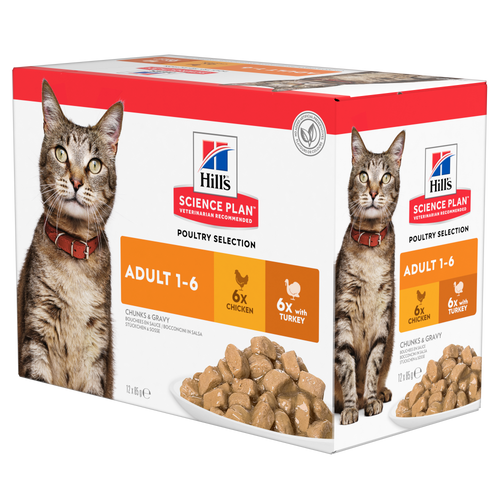
Adult Wet Cat Food with Chicken
Tender chunks in gravy for cats, with high-quality protein to maintain lean muscle. With vitamin E and omega-3s & -6s for healthy skin and balanced minerals to support healthy vital organs.
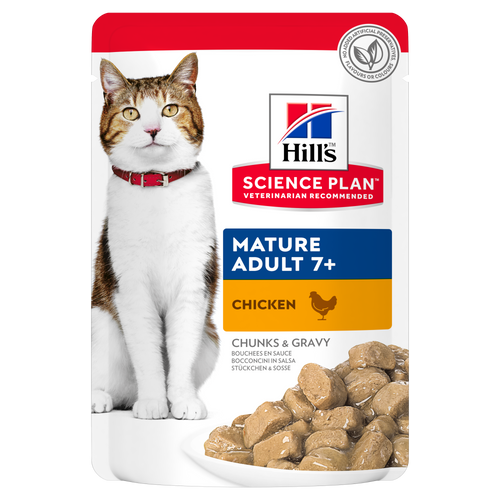
Mature Adult Wet Cat Food with Chicken
Hill's Science Plan Mature Adult Wet Cat Food Premium Chunks in Sauce with Chicken is a complete pet food for mature adult cats 7+ years old
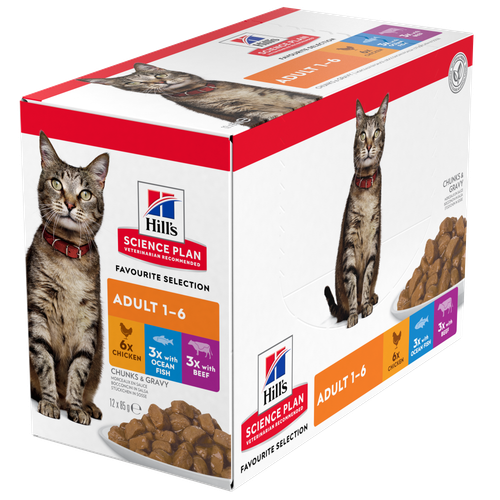
Adult Wet Cat Food with Chicken
Tender chunks in gravy for cats, with high-quality protein to maintain lean muscle. With vitamin E and omega-3s & -6s for healthy skin and balanced minerals to support healthy vital organs.
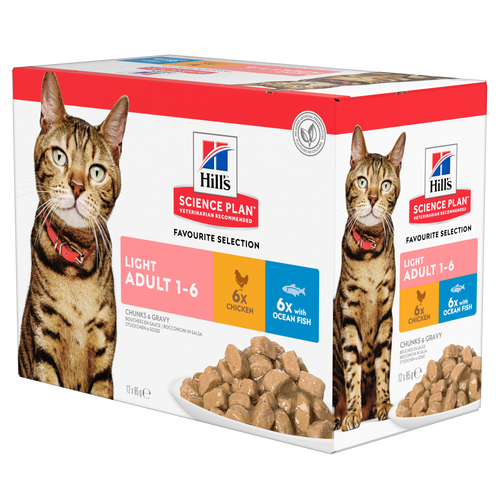
Light Adult Wet Cat Food Chicken
Tender chunks in gravy for cats, with L-carnitine and fewer calories for ideal weight management. Packed with high-quality protein, omega-6s, and vitamin E for shiny fur and healthy skin.
Related articles
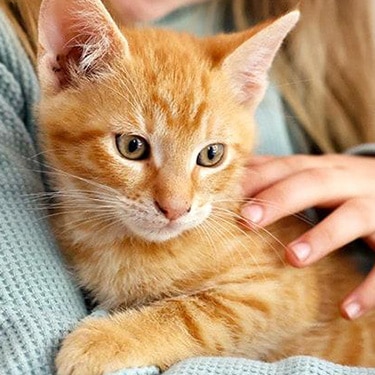
What Human Foods Can Cats And Kittens Eat?
Discover which human foods are safe for cats and kittens to enjoy. Ensure your pet's safety with our guide to healthy feeding at Hill's Pet UK.
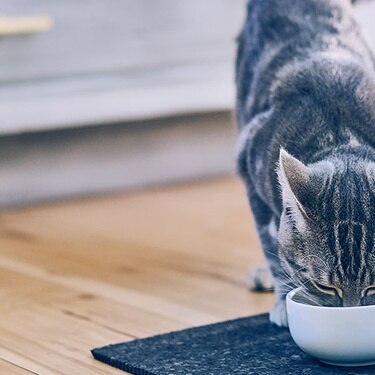
Cats Need Good Nutrition In Order To Stay Healthy
Good nutrition is about the right balance of nutrients. Learn more about health issues when feeding a cat food that has an improper nutritional balance from your friends at Hills Pet Nutrition.

How to Transition Your Cat to Hill's Senior Age Defying Cat Food
Making the informed decision to move your cat to Hill’s Senior 11+ Healthy Aging cat food is an important one. Transitioning your cat to a new food needs to be done the right way. Follow these simple steps for the transition.
Hill's Cat Foods: Nutritional Balance Just for Indoor Cats
Find the right Hill
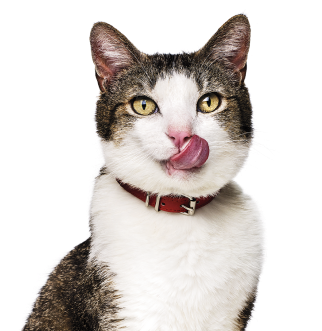
Put your cat on a diet without them knowing
Our low calorie formula helps you control your cat's weight. It's packed with high-quality protein for building lean muscles, and made with purposeful ingredients for a flavourful, nutritious meal. Clinically proven antioxidants, Vitamin C+E, help promote a healthy immune system.
Put your cat on a diet without them knowing
Our low calorie formula helps you control your cat's weight. It's packed with high-quality protein for building lean muscles, and made with purposeful ingredients for a flavourful, nutritious meal. Clinically proven antioxidants, Vitamin C+E, help promote a healthy immune system.