


Just like dogs and humans, cats can get skin cancer. If your cat gets a skin cancer diagnosis, you'll likely have a lot of questions. What does skin cancer look like on a cat? Can it be treated? Is it malignant (actively growing and potentially taking over neighbouring tissue)? Discover the answers to some of the most common questions about cat skin cancer, including the different types, its causes, how it's treated and how you can help prevent it.
What are the most common causes of cat skin cancer?
Skin cancer in cats is caused when normal cells grow out of control. It doesn't have any one cause; rather, it's usually due to some combination of genetic, viral and environmental factors. The cause varies depending on the type of cancer. Squamous cell carcinoma, for example, is a common skin cancer caused by chronic exposure to sunlight. This type is seen most often in older cats with white fur, and it occurs on the less-furry areas that have non-pigmented skin, such as the ears, nose and eyelids. Skin cancer can also be a result of genetic causes, such as mast cell tumours in Siamese cats.


Tasty Tips
What are the most common types of skin cancer in cats?
There are several types of cancerous skin growths in cats. Here's a list of the most common types:
- Squamous Cell Carcinoma: Squamous cell carcinoma (SCC) is a malignant cancer of skin cells. It occurs on sun-damaged skin where the hair is thinnest, and it usually causes skin ulceration and crusting on the ear tips and margins, nose and upper eyelids.
- Mast Cell Tumour: A mast cell tumour is a common malignant skin tumour that arises from immune cells called mast cells. The tumours are usually solitary red nodules that most commonly appear on the head and neck.
- Cutaneous Horn: A cutaneous horn looks exactly how it sounds — a horn-like structure on the skin. These horns are made of keratin, a protein that makes up hair, skin and nails. Horns may originate from a virus or other skin abnormalities, including sun-damaged skin. Cats infected with feline leukemia virus (FeLV) may develop horns on their footpads.
- Fibrosarcoma: Fibrosarcoma is a common malignant tumour that arises from the cells that make up connective tissue. Fibrosarcoma is caused by underlying viruses or may occur spontaneously. Tumors can occur on the trunk, legs, ears or at a previous vaccination site.
- Basal Cell Tumors: Basal cell tumours may be benign or malignant but are more commonly malignant in older cats. Siamese, Himalayan and Persian cats may be predisposed to basal cell tumours, and the tumours most often occur on the head, neck or trunk.
What Does Skin Cancer Look Like on a Cat?
Skin cancer can form lumps and bumps, ulcerate the skin and cause it to bleed or crust, or, in some cases, create a horn. It all depends on the type of cancer. If you notice a lump, bump or other abnormality on your cat's skin, have your veterinarian look at it as soon as possible. Your vet will likely need to take a biopsy of the abnormality and run tests on it to determine whether it's cancer, what type it is, and whether it's malignant (which means it can spread to other parts of the body). This information is critical for your vet to determine the best treatment options.
Some malignant tumours start to spread before the lump is noticed, so the earlier you get to your vet, the better.
How Is Cat Skin Cancer Treated?
Treatment depends on several factors: the tumour type, whether the cancer has spread to other parts of the body (metastasised) and where on the body the cancer is located. In general, the earlier cancer is detected and treated, the better the prognosis.
If your cat requires treatment, options may include surgically removing the cancer, cryotherapy (freezing the affected tissue to kill the cells), radiation, chemotherapy, or a combination of these treatments. Many skin tumours in cats, if completely removed surgically, have an excellent prognosis and complete remission.
Can Cat Skin Cancer Be Prevented?
While you can't guarantee that you can completely prevent skin cancer in your cat, you can take steps to support your cat’s health and help you catch problems early:
- Know what’s normal for your cat. This applies to all facets of your cat – weight, appetite, thirst, behaviour patterns, etc. Getting your cat used to being gently stroked and handled from the outset is really useful. It helps them not feel stressed at the vet and also gives you the chance to regularly feel them for signs of skin changes or lumps and bumps. When your cat is enjoying a stroke, gently run your hands all over their body if they will tolerate it. Knowing what’s normal will allow you to spot irregularities very quickly.
- If your cat is white or has non-pigmented skin on their ears and eyebrows, keep them indoors and away from sunlit windows during the time of day when the sun is most intense. If they do go outside, apply cat-specific sunscreen to non-pigmented areas. Ask your vet about which products are appropriate. Cats will groom lotion off, so it needs to be safe if ingested.
- Look out for any precancerous lesions and treat them as soon as possible. Your veterinarian is the best resource for distinguishing the origin of a skin mass and determining if additional testing may be required. Physical appearance alone does not indicate the seriousness of a skin mass. However, if the mass does not freely move, bleeds or has an asymmetrical appearance it should be evaluated immediately by your veterinarian.
- Feed your cat a high-quality, antioxidant-rich food.
- Keep your cat at a healthy weight. If they're overweight, work with your vet to help them lose weight safely. Obesity predisposes cats to many types of cancers.
The good news is that skin cancer in cats can often be successfully treated, depending on the case, and not all are malignant. In fact, some skin tumours are benign and don't require any treatment except for you to monitor them at home. Regardless, always have your vet check out any skin abnormalities on your cat, sooner rather than later to be on the safe side. As with all things medical, early diagnosis and treatment helps to ensure you have as long as possible with your furry little friend.
Frequently Asked Questions about cat skin cancer
Can cats survive skin cancer?
Yes. Many cases of skin cancer in cats can be successfully treated using various treatment options, depending on the type of tumour and progression of disease. The sooner you get veterinary attention for skin changes, the better the outlook.
What are the first signs of skin cancer in cats?
This depends on the type of tumour. You may feel lumps or bumps, or you may see crusting and ulcerating skin.
What is the cost of treating skin cancer in cats?
This will vary widely depending on the type of cancer and what treatment is recommended. Removing an ear tip could be much less expensive than extensive surgery followed by chemotherapy. Ask your vet for a comprehensive quote at the outset so that you can be prepared. Always consider pet insurance from a young age, while your cat is healthy. This can be invaluable when issues such as skin cancer occur.
Reviewed by Becky Mullis, DVM, DACVIM (Nutrition) and Emma Milne BVSc FRCVS.

Related products

Light Adult Wet Cat Food Chicken
Tender chunks in gravy for cats, with L-carnitine and fewer calories for ideal weight management. Packed with high-quality protein, omega-6s, and vitamin E for shiny fur and healthy skin.
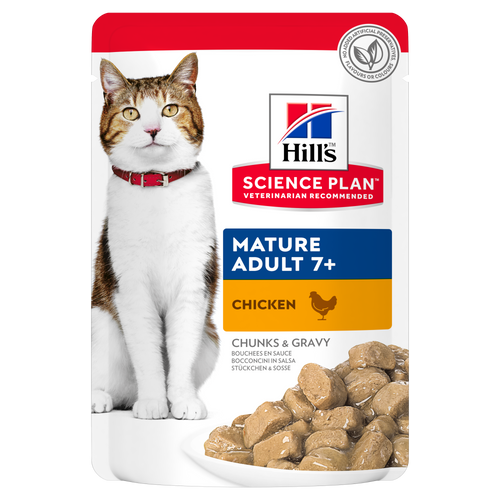
Mature Adult Wet Cat Food with Chicken
Hill's Science Plan Mature Adult Wet Cat Food Premium Chunks in Sauce with Chicken is a complete pet food for mature adult cats 7+ years old
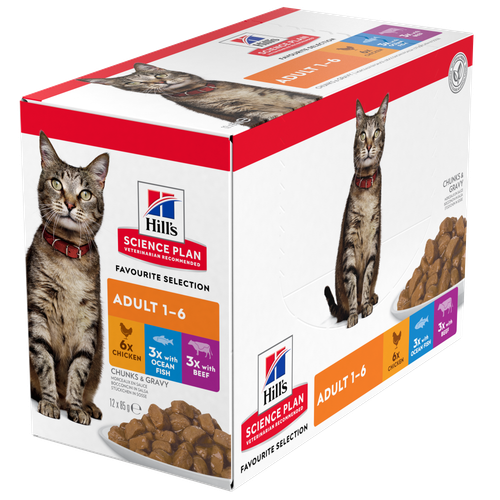
Adult Wet Cat Food with Chicken
Tender chunks in gravy for cats, with high-quality protein to maintain lean muscle. With vitamin E and omega-3s & -6s for healthy skin and balanced minerals to support healthy vital organs.
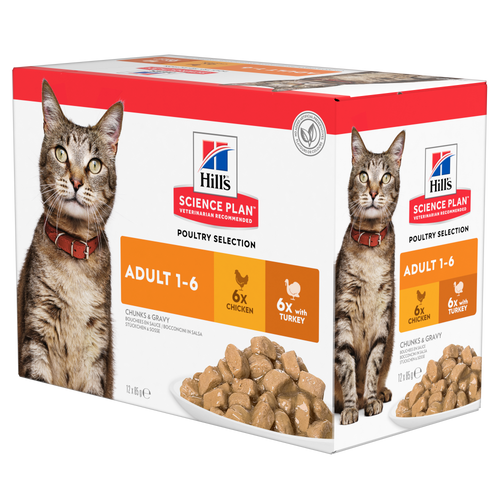
Adult Wet Cat Food with Chicken
Tender chunks in gravy for cats, with high-quality protein to maintain lean muscle. With vitamin E and omega-3s & -6s for healthy skin and balanced minerals to support healthy vital organs.
Related articles
Cats Need Good Nutrition In Order To Stay Healthy
Good nutrition is about the right balance of nutrients. Learn more about health issues when feeding a cat food that has an improper nutritional balance from your friends at Hills Pet Nutrition.
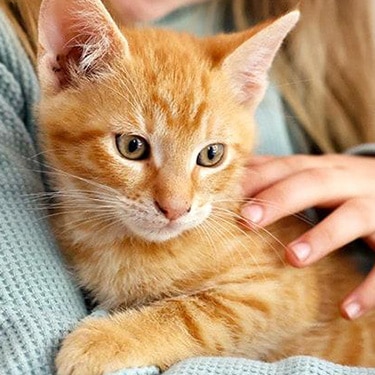
What Human Foods Can Cats And Kittens Eat?
Discover which human foods are safe for cats and kittens to enjoy. Ensure your pet's safety with our guide to healthy feeding at Hill's Pet UK.

Hill's Cat Foods: Nutritional Balance Just for Indoor Cats
Find the right Hill

How to Transition Your Cat to Hill's Senior Age Defying Cat Food
Making the informed decision to move your cat to Hill’s Senior 11+ Healthy Aging cat food is an important one. Transitioning your cat to a new food needs to be done the right way. Follow these simple steps for the transition.
Put your cat on a diet without them knowing
Our low calorie formula helps you control your cat's weight. It's packed with high-quality protein for building lean muscles, and made with purposeful ingredients for a flavourful, nutritious meal. Clinically proven antioxidants, Vitamin C+E, help promote a healthy immune system.
Put your cat on a diet without them knowing
Our low calorie formula helps you control your cat's weight. It's packed with high-quality protein for building lean muscles, and made with purposeful ingredients for a flavourful, nutritious meal. Clinically proven antioxidants, Vitamin C+E, help promote a healthy immune system.