


It’s always worrying to see blood in your cat’s poo. After all, blood is best kept inside the body! However, blood in your cat’s stool can appear for lots of different reasons, some of which are not a cause for concern, and others can be very serious. So how can you tell which is which and when you should take your cat to the vet? Let’s have a look at some of the more common causes of bloody poo in cats, along with some signs of more serious issues.
Causes of blood in cat poo
When it comes to blood in the poo, sometimes it’s not quite as obvious as you might think. Fresh blood is easy to spot, but bleeding higher up in the intestines produces a much blacker appearance. This is because the blood has been partly digested, changing the colour. Add to this the fact that many cats, conveniently for their owners, go to the toilet outside, not in a litter tray. For these cats, it can be extremely difficult to ever know if they have a digestive upset unless they become obviously ill.
Basically, anything that inflames or damages the sensitive lining of the intestines can cause bleeding. The most common causes of blood in cat stools are:
Parasites. Keeping your cat up to date with worm treatments is a good idea. Cats that hunt a lot and eat their prey may need more regular treatment. Even cats that don’t hunt can get worms.
Diarrhoea. In many cases, diarrhoea clears up in a day or two. But if it persists, bleeding may occur.
Colitis. This is inflammation of the large bowel and often produces bright red fresh blood and mucus.
Chronic enteropathies. These include a number of conditions, such as food-responsive enteropathy (FRE), antibiotic-responsive enteropathy (AFR) and steroid-responsive enteropathy (SRE).
Adverse food reactions. These include food allergies and intolerances.
Cancers or polyps in the intestine.
Poisons. Some poisons, such as rodent bait, cause bleeding throughout the body, including the intestines.
Bacterial or viral infections.
Stress. Living with other cats, or even near neighbour’s cats, can cause cats stress. Cats are subtle creatures and can hide this well.


Tasty Tips
When to be concerned
You know your cat better than anyone, but the more you get to know what is normal for your cat, the earlier you will spot changes. The best owners are the most observant.
Obviously, if your cat is using a litter tray it should be easy to spot changes in their poo, or notice if they’re straining or crying. If they go outside, try to have an idea of what their normal routine is; how often do they go out? Is it always after they’ve eaten? Are they eating and drinking normally?
Many digestive upsets resolve on their own, or may even go unnoticed, but there are times that you should definitely seek veterinary advice.
Does your cat seem off-colour? If your cat stops eating or is eating less, has lost weight, is lethargic, or is drinking more than usual, you should always see your vet. These are often the early signs of many different issues, including severe digestive upsets.
If you’re seeing severe, watery diarrhoea, with or without blood, especially if your cat is vomiting too, you should get help. Fluid loss from vomiting and diarrhoea can quickly cause dehydration and the loss of important minerals.
Your cat is straining to go to the toilet. This can be a sign of constipation, colitis, or a foreign body in the bowels, but it can also be a sign of a blocked bladder, which is a medical emergency. If your cat is ever straining to go to the toilet, get to your vet as soon as you can.
Long duration. Even if your cat seems bright and is eating, if any form of digestive upset lasts more than 48 hours, it’s best to get a check-up if you can.
If you decide to go to your vet, try to get a poo sample if you can. Your vet will want to test it for parasites, infections and blood. Your vet may also want to take blood tests, and possibly do x-rays or an ultrasound as well.
Often, a few days of highly digestible food (and sometimes medication) gets everything back on the right track. But the sooner you get to the bottom of things, the better. And remember, vets are there to help you and your animals. Don’t ever worry that you’re overreacting, as we would always much rather be safe than sorry.
Reviewed by Dr. Hein Meyer, DVM, PhD, Dipl-ECVIM-CA

Related products
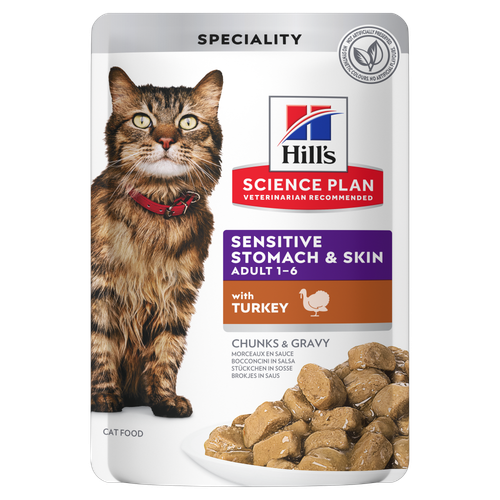
Sensitive Stomach & Skin Adult Cat Food
Hill's Science Plan Adult Sensitive Stomach & Skin Cat Premium Chunks in Sauce with Turkey is a complete pet food for adult cats aged 1-6 years
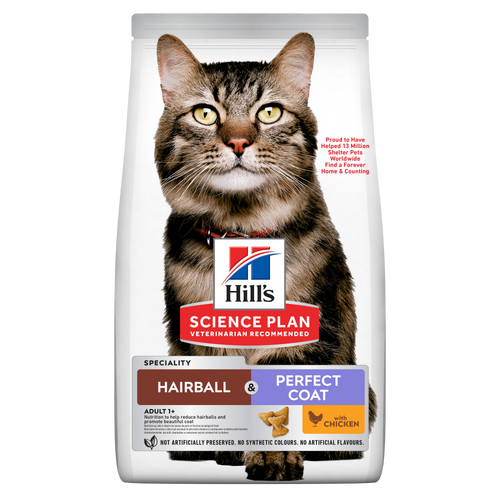
Hairball & Perfect Coat Adult Dry Cat Food with Chicken
Hill's Science Plan Hairball & Perfect Coat Adult Cat Food with Chicken is formulated to effectively help avoid hairball formation in adult cats while promoting a beautiful coat. Thanks to its mix of essential omega-6 fatty acids, this food benefits the cat's skin and fur, keeping them healthy and shiny. Our Advanced Fibre Technology helps reduce hairballs by naturally promoting their passage through the gut. This food is formulated with high-quality protein for a perfectly balanced, great-tasting recipe.
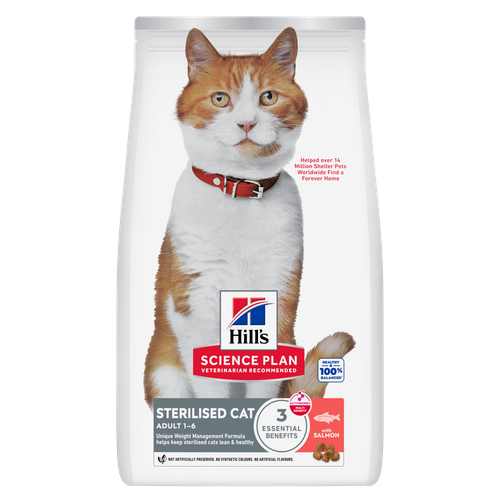
Sterilised Adult Cat Food
Hill's Science Plan Adult Sterilised Cat Dry Food with Salmon is specially formulated with ActivBiome+ Multi-Benefit Technology. It is a precisely balanced nutrition, tailored to meet the needs of sterilised cats, to help keep them lean & healthy.
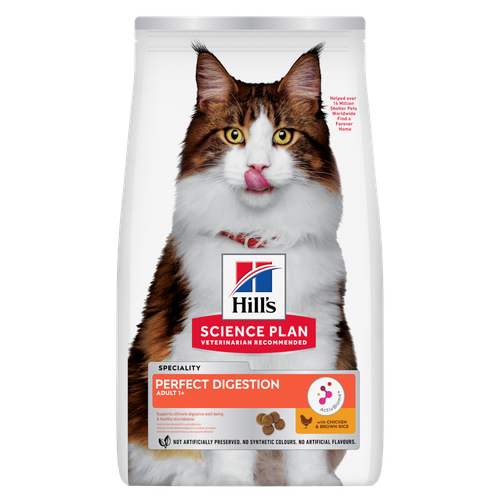
Perfect Digestion Adult Cat Food
Hill's Science Plan Perfect Digestion Cat Food with Chicken & Brown Rice nourishes your cat's unique microbiome and helps them reach their full potential.
Related articles

How to Transition Your Cat to Hill's Senior Age Defying Cat Food
Making the informed decision to move your cat to Hill’s Senior 11+ Healthy Aging cat food is an important one. Transitioning your cat to a new food needs to be done the right way. Follow these simple steps for the transition.
Cats Need Good Nutrition In Order To Stay Healthy
Good nutrition is about the right balance of nutrients. Learn more about health issues when feeding a cat food that has an improper nutritional balance from your friends at Hills Pet Nutrition.
Hill's Cat Foods: Nutritional Balance Just for Indoor Cats
Find the right Hill
What Human Foods Can Cats And Kittens Eat?
Discover which human foods are safe for cats and kittens to enjoy. Ensure your pet's safety with our guide to healthy feeding at Hill's Pet UK.
Put your cat on a diet without them knowing
Our low calorie formula helps you control your cat's weight. It's packed with high-quality protein for building lean muscles, and made with purposeful ingredients for a flavourful, nutritious meal. Clinically proven antioxidants, Vitamin C+E, help promote a healthy immune system.
Put your cat on a diet without them knowing
Our low calorie formula helps you control your cat's weight. It's packed with high-quality protein for building lean muscles, and made with purposeful ingredients for a flavourful, nutritious meal. Clinically proven antioxidants, Vitamin C+E, help promote a healthy immune system.