
Chronic kidney disease in dogs
Chronic kidney disease in dogs
What is kidney disease in dogs?
Chronic kidney disease (CKD) is defined as any abnormality of one or both kidneys that has been present for several months. CKD affects about 1 in every 10 dogs [1].
What causes kidney disease in dogs?
There are two main categories of kidney disease in dogs: acute and chronic. Signs of acute kidney disease usually manifest over a week or month’s time, while chronic kidney disease is defined as kidney damage that has been present for at least three months. Common causes of kidney disease & its progression include:




Early detection of kidney failure in your dog
What are the signs & symptoms of kidney disease in dogs?
The signs of early-stage kidney disease are not visible. On diagnosis, CKD has already been present for some time but may be managed with the help of vet-approved dog food for kidney disease. Signs of late-stage kidney disease tend to be similar but are far more noticeable to pet parents.
Signs of kidney disease

Signs of kidney disease

Nutrition for dogs with kidney disease
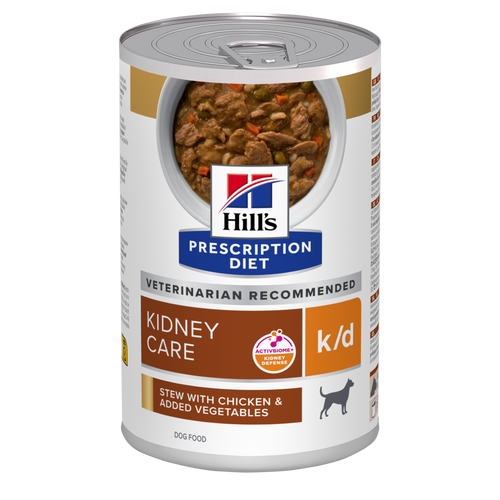
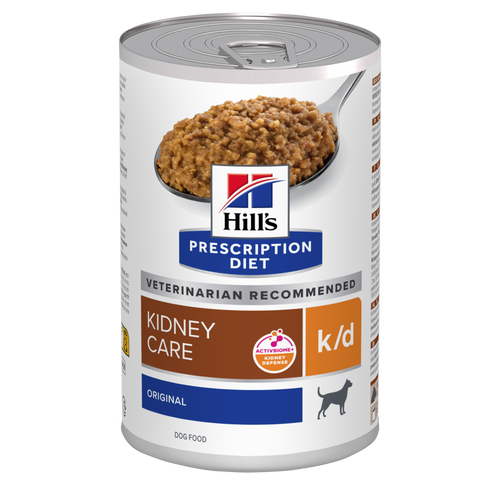
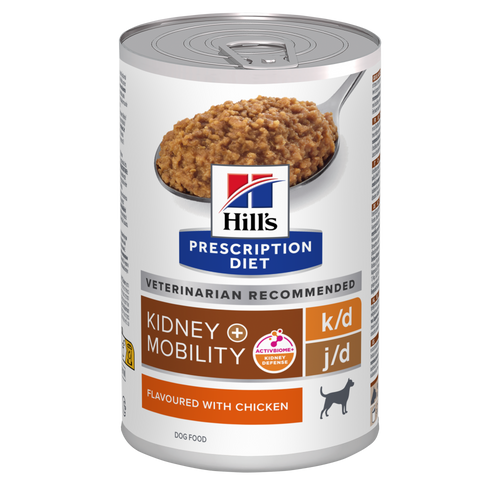
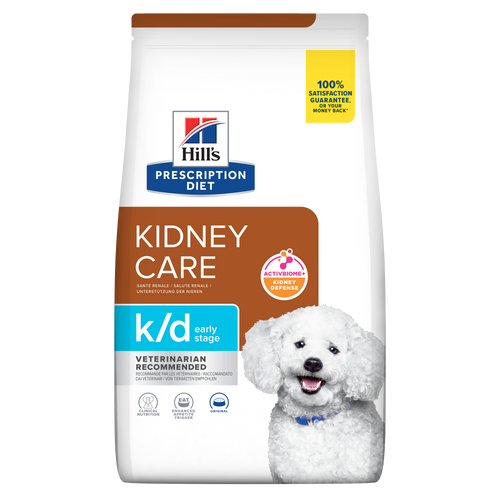
If your dog has kidney disease, the nutrition formulated for them can help make an impact on their lives. Specially formulated nutrition for dogs with kidney disease can be beneficial by having less protein and phosphorous than other pet foods. Phosphorus restriction can lessen the severity of the symptoms and progression of kidney damage, while controlled, high-quality proteins can help restore normal acid-base levels.
Nutrition for dogs with kidney disease
If your dog has kidney disease, the nutrition formulated for them can help make an impact on their lives. Specially formulated nutrition for dogs with kidney disease can be beneficial by having less protein and phosphorous than other pet foods. Phosphorus restriction can lessen the severity of the symptoms and progression of kidney damage, while controlled, high-quality proteins can help restore normal acid-base levels.
Related articles

Blood in Dog Urine: Causes And Treatment
Discover the causes of blood in dog urine and learn about effective treatment options to ensure your pet's health. For expert advice, visit Hill's Pet UK.

Dog Vomiting and Diarrhoea: When to Worry and What to Do
Is your dog vomiting or suffering from diarrhoea? Learn what’s normal, what’s not, and when to seek help with this vet-reviewed guide for pet owners.

Facts About Liver Disease in Dogs
The liver is an important organ with many functions, including the digestion and conversion of nutrients, the removal of toxic substances from the blood, and the storage of vitamins and minerals.
Urinary Tract Infections (UTIs) In Dogs: Signs, Causes & Treatments
Learn about the warning sign's, symptoms, and treatments of urolithiasis in dogs and the affect on your pet.
References: 1Lulich JP, Osborne CA, O’Brien TD, Polzin DJ. Feline renal failure: questions, answers, questions. Compend Contin Educ Pract Vet. 1992;14(2):127–153. Brown SA. Renal dysfunction in small animals. The Merck Veterinary Manual website.