


If your dog has ever had digestive issues, you are certainly not alone. Gut issues such as vomiting and diarrhoea are pretty common in dogs. Oftentimes these are a self-resolving one-off due to things like raiding the bin, but some dogs have recurrent issues, and these can be due to problems with the microbiome.
Only in recent years have we started to understand the importance of this little teeming world of micro-organisms that we call the gut microbiome. It keeps your dog’s gut healthy, keeps the immune system strong and can even affect obesity, mood and behaviour.
In this article, we’ll look at exactly what the gut microbiome is, why it’s so important and what you can do to help keep your dog’s gut and microbiome thriving.
What is the gut microbiome in dogs and why does it matter?
A dog’s gut microbiome is made up of trillions of bacteria and other microorganisms. These ‘good’ bacteria break down fibre in your dog’s food that they can’t digest themselves. Some of the most common bacteria in dogs’ guts are Firmicutes, Bacteroidetes, Fusobacteria and Actinobacteria. So why does it matter?
Digestion and nutrition
As we said, the bacteria digest dietary fibre that your dog can’t digest on their own. In the process of this digestion, the bacteria produce fatty acids, called short-chain fatty acids, that boost gut health and help with the absorption of nutrients from the diet.
Immune system
A balanced and healthy gut microbiome controls the pH in the gut, and this inhibits the growth of the ‘bad’ bacteria that can cause digestive upsets. The immune system consists of millions of cells that fight infections, and around three quarters of these cells are in the gut. The gut microbiome promotes the health of these cells and reduces inflammation. Dog gut health is best when there is a good balance between the bacteria and the immune system. It’s a team game!
Mood and behaviour
This is one of the most fascinating aspects of research into the microbiome. The ‘gut-brain axis’ is a two-way highway of communication between the bacteria in the gut microbiome and our dogs’ brains. And it’s the same in humans. Through the gut-brain axis, the bacteria can influence mood, behaviour and the release of hormones such as cortisol in response to stress.
The majority of canine behavioural problems are due to stress and anxiety. This may be because of separation or poor socialisation as a puppy, but we now know that an unbalanced microbiome may also play a role. Conversely, feeding for a healthy microbiome can change mood for the better.
Obesity and weight changes
Research shows that overweight and obese dogs have a different composition of bacteria in their microbiome as compared to normal weight dogs. In fact, changing the microbiome can help dogs lose weight and also be more resistant to unhealthy weight gain.
Ultimately, the microbiome isn’t just about healthy digestion: it’s important for so much more for our – and our dogs’ – general emotional and physical health.
What affects gut health in dogs? The good, the bad and the ugly
There are lots of things that can affect gut health and the microbiome in dogs.
-
Diet
It’s the food we feed our dogs that ultimately nourishes the bacteria in the microbiome, so diet is really important. Protein, carbohydrates and prebiotic fibre are important. Diets with varying levels of these components will produce different populations of bacteria. For example, cats need much more protein in their diet than dogs, and so have a different gut microbiome. Typically, diets rich in prebiotic fibre (the fibre that feeds the bacteria) are beneficial for a balanced microbiome and a healthy gut.
-
Probiotic supplements
Probiotics are supplements containing the bacteria themselves. You may be familiar with human products such as yoghurts marketed to contain the ‘good bacteria’. A potential problem in using this approach is that it’s difficult to guarantee that the bacteria will make it through all the digestive processes and arrive where they are needed alive. This is why more favour is now given to supplementing with prebiotic fibre that, by definition, can’t be digested before it reaches the right place.
-
Age
The microbiome develops with the individual dog and becomes more and more diverse as the dog grows into an adult. Adulthood is when the microbiome is at its peak. Studies show that the microbiome changes with age, and this is linked to changes in cognitive function and behaviour in older dogs.
-
Stress and anxiety
These are intrinsically linked to the gut microbiome, but, again, it’s a balance. A healthy microbiome can affect mood and anxiety, but the opposite is also true. Chronic stress and anxiety can negatively affect gut health and the immune system and lead to digestive upsets.
-
Antibiotic use
Doctors, vets and other scientists all over the world are trying to reduce the use of antibiotics. This is for the environment and to reduce the chance of antibiotic resistance, but it can also be best for the individual patient, as antibiotics can be devastating to the gut microbiome. Gone are the days where pet parents should expect to be given antibiotics for any mild gastrointestinal upset.
-
Other diseases
Virtually any other health condition your dog has could affect their gut health. This could be because medications or diet changes are needed or because of chronic pain and stress.
What happens when the balance goes wrong?
A healthy, balanced gut microbiome is said to be in a state of ‘eubiosis’. When it goes wrong, it’s called ‘dysbiosis’. A classic example would be a dog given antibiotics for a deep-seated skin infection, which helps the skin but wipes out the ‘good’ microbiome, giving ‘bad’ bacteria a chance to take hold. Dysbiosis may result in
- Physical signs such as diarrhoea, abdominal discomfort, excess gas or wind, bloating or possibly vomiting.
- Mental signs such as anxiety, mood changes or behavioural changes.
If you have any doubts about your dog’s health, always seek help sooner rather than later to avoid delaying a diagnosis and worsening signs.
How can I support my dog’s microbiome?
As the microbiome is such an integral and important part of your dog, looking after it is about more than just good nutrition, and it begins before your dog is even born!
- Pick your dog and their breeder wisely. Getting a puppy from healthy, relaxed parents with good temperaments will be a great start. Stress, even in the womb, can cause issues later in life. A good breeder should raise a well-balanced puppy.
- Always vaccinate. Severe gastrointestinal issues (as well as death in too many cases) due to preventable viral diseases can cause lifelong gut issues.
- Feed your dog optimal nutrition from the word ‘go’. Ask your vet about the best foods to feed for every lifestage. The first 12 months are crucial for general health as well as gut health.
- Keep your dog slim and active. This reduces stress and keeps bowels moving.
- Always seek veterinary help early if you suspect a problem. Early diagnosis and treatment is always best.
- If your dog has a digestive disorder, listen to your vet about how best to manage it with nutrition. There are therapeutic foods available for a wide range of gastrointestinal disorders.
Dog gut health in summary
The microbiome is a fascinating little cosmos. Research in the UK and Europe is constantly ongoing to try to unlock its secrets and understand its full power. In the meantime, being aware of its importance and staying in regular touch with your veterinary healthcare team will ensure your dog has the best chance at a long, healthy, happy life, which means you get the maximum time with your best friend. Everyone’s a winner!
Dog gut microbiome FAQs
What is the gut microbiome in dogs?
The gut microbiome is made up of trillions of beneficial bacteria. They help digestion, gut cell health and the immune system, and they also affect mood and behaviour through the gut-brain axis.
What food is best for the microbiome in dogs?
In general, foods that are rich in prebiotic fibre are best. It’s this fibre that nourishes the bacteria in the microbiome.
How do I know if my dog’s gut is healthy?
Healthy bowels produce regular, well-formed stools. Pretty much any deviation from this could be a sign of a problem and is best investigated unless it only lasts a day or two.
What upsets the microbiome?
Major causes of this are:
- Poor nutrition
- Use of antibiotics
- Increasing age
- Stress and anxiety
Reviewed by Karen Shenoy, DVM.

Related products
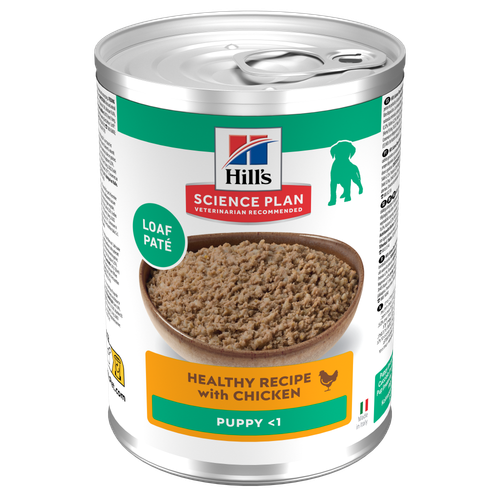
Puppy Food
Hill's Science Plan Puppy Wet Dog Food with Chicken is a complete premium pet food for growing puppies from weaning until 1 year old and for pregnant and nursing dogs. This deliciously smooth minced chicken loaf is precisely balanced to deliver the appropriate amount of energy to support the needs of growing puppies.
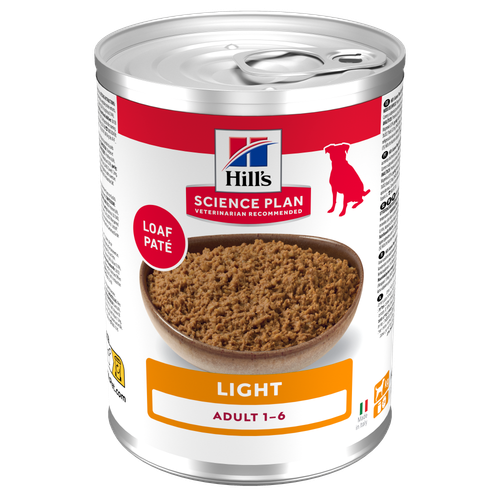
Adult Light Dog Food
Hill's Science Plan Light Adult Wet Dog Food is a complete premium pet food for adult dogs that tend to gain weight easily. This deliciously smooth loaf is formulated to deliver the appropriate amount of energy to support weight maintenance in adult dogs.
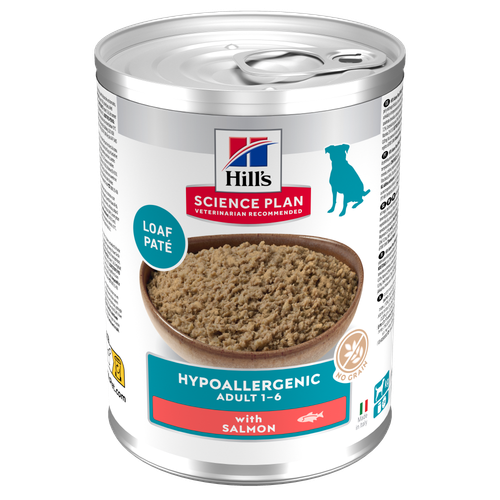
Hypoallergenic Adult Dog Food
Hill's Science Plan Hypoallergenic Adult Wet Dog Food with Salmon is a complete premium pet food for all adult dogs from 1 year. This savoury tinned loaf is specially formulated for dogs with delicate skin and stomachs. It features a single novel animal protein source and is grain-free.
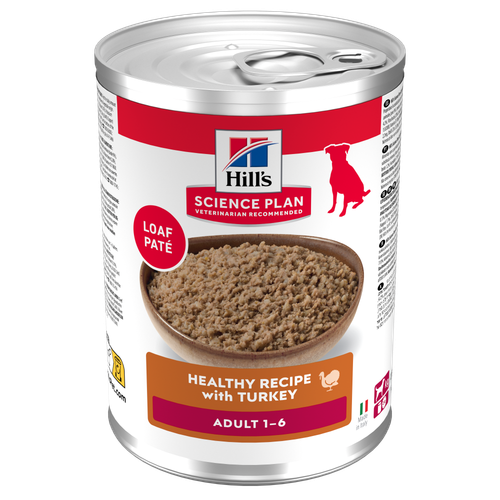
Adult Dog Food
Hill's Science Plan Adult Wet Dog Food with Turkey is a complete premium pet food for adult dogs from 1 year. This deliciously smooth minced turkey loaf is formulated to deliver the appropriate amount of energy to support the needs of adult dogs.
Related articles
The Complete Guide to a Dog’s Life Cycle by Age
Explore the stages of a dog's life cycle, from puppyhood to adulthood, and learn how to care for your dog at every age

Everything You Need to Know About Microchipping Dogs
Learn why microchipping dogs is vital for pet safety. Discover benefits, costs, and the details to protect your furry friend. See more at Hill's Pet UK.

Halloween Safety Tips for Dogs
Ensure a safe and confident scary Halloween season for your dog with our expert tips and learn how to keep your dog protected. Visit Hill's Pet UK for more.
Blood in Dog Urine: Causes And Treatment
Discover the causes of blood in dog urine and learn about effective treatment options to ensure your pet's health. For expert advice, visit Hill's Pet UK.

Put your dog on a diet without them knowing
Our low calorie formula helps you control your dog's weight. It's packed with high-quality protein for building lean muscles, and made with purposeful ingredients for a flavourful, nutritious meal. Clinically proven antioxidants, Vitamin C+E, help promote a healthy immune system.
Put your dog on a diet without them knowing
Our low calorie formula helps you control your dog's weight. It's packed with high-quality protein for building lean muscles, and made with purposeful ingredients for a flavourful, nutritious meal. Clinically proven antioxidants, Vitamin C+E, help promote a healthy immune system.