


Digestive and gastrointestinal disorders are among the most common health issues in dogs, affecting their ability to digest food and absorb important nutrients. Whether your dog is experiencing sudden vomiting, chronic diarrhoea, or unexplained weight loss, recognising the signs early on is crucial. This guide outlines the most frequent digestive conditions, their symptoms, causes, and what you can do to support your dog’s health.
What are gastrointestinal (GI) and digestive disorders?
Gastrointestinal (GI) disorders and diseases affect a dog's stomach and intestines, usually resulting in signs such as vomiting (sickness) and diarrhoea. You may notice blood in your dog’s stools or watery poop. Any disorder that reduces the digestion or absorption of food or alters its passage through the digestive tract, can be called a digestive disorder. Healthy digestion is essential for your dog to be able to use the nutrients from their food to build and repair tissues and obtain energy. GI disorders can lead to dehydration, acid-base and electrolyte imbalances and malnutrition, so it is important to recognise the signs and consult with your veterinarian.
Types and causes of gastrointestinal and digestive disorders in dogs
There are many different types of canine digestive disorders, so your veterinarian may carry out tests to determine the exact cause of your dog’s problem. Causes can range from eating something inappropriate (i.e. something other than their normal dog food) to adverse food reactions, infections, or lack of digestive enzymes. Some breeds, such as Great Danes, German shepherds, golden retrievers and collies are more prone to particular digestive problems. Commonly diagnosed conditions include:
-
Acute gastroenteritis
This is the most common cause of an ‘upset stomach’ in dogs. It usually consists of vomiting and diarrhoea that begins suddenly, but it can just be diarrhoea too. It can be caused by lots of things, like eating something unsavoury (we all know our dogs love doing this!), parasites, viruses and foreign bodies, to name but a few.
-
Chronic enteropathy or inflammatory bowel disease
Unlike the sudden onset upset we just mentioned, chronic enteropathies are slower to appear and tend to last a long time. Diarrhoea and weight loss are common signs. Again, it can be caused by many different things such as adverse food reactions and genetics.
-
Colitis
The colon is part of the large bowel, and when this gets inflamed, it’s called colitis. It’s usually very characteristic and most dogs show the same signs – looking like they urgently need to have a poo, straining to have a poo but not much comes out and, one of the classic signs, fresh blood and/or slimy mucus in the stool.
-
Pancreatitis
Dog pancreatitis is a serious condition in dogs and can be life-threatening. Common signs of pancreatitis are sudden onset vomiting, depression and lack of appetite. It’s also a very painful condition, so your dog may be restless and adopt a characteristic ‘play bow’ position to try to ease the pain. If you have any concerns that your dog might have pancreatitis, get them to the vet as soon as you can.
-
Exocrine pancreatic insufficiency (EPI)
This complicated-sounding name describes a condition where dogs are lacking certain enzymes needed for digestion. The pancreas produces some of these enzymes, and when they are lacking, the food passes straight through without the dog being able to properly use the nutrients. Dogs with EPI tend to be ravenously hungry but still lose weight and look unhealthy. Because they don’t digest fat well, their stools may be greyish in colour. Some breeds, such as German shepherds, are more prone to it than others. Supplementing the diet with the missing enzymes usually gives a good result.
-
Adverse food reactions (AFRs)
AFRs are food allergies and intolerances. Dogs can react badly to certain foods for a number of reasons. Together, these reactions are known as adverse food reactions. True food allergies are rarer than people think, and they tend to be caused by a reaction to the proteins in foods, such as beef, chicken and dairy products. Food allergies can cause vomiting and diarrhoea and skin issues, like itchiness.
-
Constipation
As with humans, when dogs are constipated, they find pooping difficult and they might go much less frequently. Constipation can be caused by lots of things. Eating bones can make stool hard and difficult to pass, and dehydration or a sluggish bowel also mean that stool is dry and difficult to shift.
Does my dog have a digestive disorder?
The most common signs of digestive disorders are soft stool or diarrhoea. If your dog has digestive issues, you may also notice some or all of the following signs.
- Vomiting
- Regurgitation
- Flatulence
- Weakness
- Diarrhoea/constipation
Chronic GI disease can be a debilitating problem for many dogs and requires testing and a thorough diagnosis from your veterinarian.
When are canine digestive problems an emergency?
Just the same as in humans with an upset stomach, many mild cases of acute gastroenteritis can get better on their own. Once the body has thoroughly rid itself of the offending material, the gut recovers and behaves as normal. Feeding your dog a bland recovery food, which can be obtained from your veterinarian, can help these issues resolve more quickly. Some dog stomach issues and digestive problems can be serious or even life-threatening and need very prompt veterinary attention. Seek immediate veterinary help if any of the following apply:
- Your dog is lethargic, depressed or reluctant to move.
- Your dog is dehydrated. If you are unsure, you can do the skin tent test. Gently lift the skin over the shoulders and then let go. It should snap straight back into place. If it’s slow to return, your dog is dehydrated, and if it stays in the pinched position, your dog is severely dehydrated. Be extra cautious with puppies, small dogs and senior dogs, as they will become dehydrated and ill much more quickly than an adult dog.
- Your dog has been vomiting for more than 24 hours.
- Your dog seems to be in pain – this may manifest as hunching, whining, reluctance to move or adopting the play bow position for no reason.
- Your dog is not eating.
- Your dog is trying to vomit but can’t. This can be a sign of a twisted gut, and this is a life-threatening emergency.
- There is blood in the vomit or what appears to be ‘coffee grounds,’ or the stools are very dark or black. This can indicate intestinal bleeding.
Managing dog digestive disorders: the importance of nutrition
Digestive disorders are quite common and most clear up within a few days. Your vet can provide you with some GI recovery food for a few days to help the gut recover and to give your dog optimal nutrition during that time. These foods are highly digestible and feature high-quality protein sources. They also have optimal blends of fibre to help the gut microbiome recover as well as added antioxidants and omega fatty acids to help soothe the inflamed bowels. Don’t withhold food from your dog unless they are actively vomiting. Nutrition is essential for gut healing.
Some dogs will need long-term management because they have regular or permanent digestive problems. A change in diet is often the only treatment needed for many dog digestive issues. Foods for the management of gastrointestinal issues vary depending on the underlying cause and signs of the condition. These are the types of food your dog may need:
Hydrolysed or novel protein foods for adverse food reactions. These foods aim to remove the ingredient that your dog is reacting to.
Hydrolysed diets are diets in which the protein is broken down into very small pieces that are too small for the body to recognise as allergenic. In theory, these foods can be fed to any dog with any AFR.
Novel protein diets are selected in order to feed your dog protein(s) they have not eaten before. These diets tend to include a single source of animal protein, like duck, venison or even insects. It can be tricky to select the right one if you and your veterinarian don’t know exactly what foods your dog has or hasn’t eaten over the years.
- Low- or ultra-low-fat foods for dogs with pancreatitis.
- Foods with high levels of prebiotic fibres. These foods are excellent for many diarrhoea cases and support a thriving gut microbiome. These can help dogs with some chronic enteropathies, too.
- High-crude-fibre foods. These are used for diabetic dogs to slow the release of sugar into the blood. They are also useful for some cases of constipation or for dogs that frequently need their anal glands emptied. The high fibre content bulks up the stool and can help reduce build-up of fluid in the anal glands.
It’s important never to start your dog on a therapeutic diet without the say-so of your vet, especially if you have a growing puppy with digestive problems. Many of the foods above are not suitable for growth.
The majority of dog digestive issues sort themselves out, but some require lifetime nutritional management. Work with your vet team and follow their advice, and hopefully your dog will be able to have a happy, healthy life free from digestive upsets.
Dog gastrointestinal disorder FAQs
What are the most common causes of digestive issues in dogs?
The most common cause is eating something they shouldn’t have. Other common causes are pancreatitis, colitis, parasites, infections and foreign bodies.
How do I know if my dog’s stomach problem is serious?
Always see your vet as soon as possible if you see blood in vomit or stool, black faeces, lethargy, pain, dehydration, loss of appetite or if your dog is trying to vomit but can’t.
Can dog food cause digestive disorders?
Yes. Dogs can have adverse food reactions to anything, most commonly protein sources like chicken and beef. Your vet will be able to recommend a hydrolysed diet or a novel protein diet to treat these cases.
How are digestive problems managed in dogs?
This will depend on the underlying cause but may include supportive care like fluids, dietary changes and medications to stop vomiting and reduce inflammation. Dogs with EPI will need enzyme supplements to help them digest their food properly.
Can I prevent digestive issues in my dog?
To a degree, yes. Keep their diet consistent, avoid human foods (many, such as chocolate, onions, grapes, raisins and sweeteners like xylitol, are toxic), keep food and household poisons out of reach, and keep parasite control and vaccines up to date.
Reviewed by Karen Shenoy, DVM and Emma Milne, BVSc FRCVS.

Related products
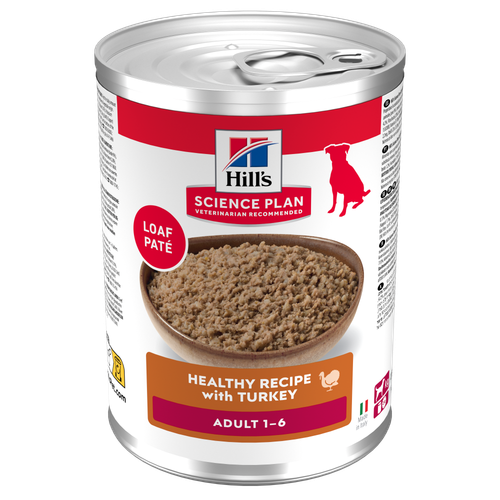
Adult Dog Food
Hill's Science Plan Adult Wet Dog Food with Turkey is a complete premium pet food for adult dogs from 1 year. This deliciously smooth minced turkey loaf is formulated to deliver the appropriate amount of energy to support the needs of adult dogs.
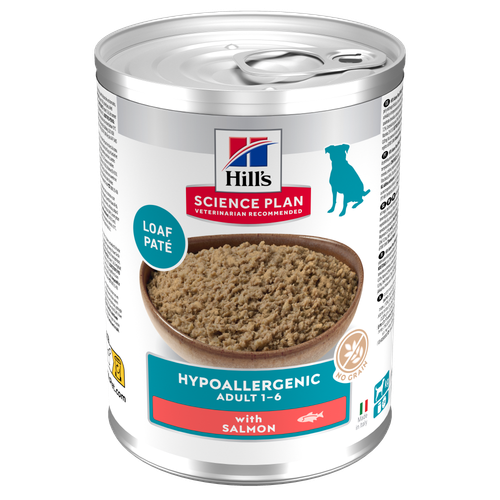
Hypoallergenic Adult Dog Food
Hill's Science Plan Hypoallergenic Adult Wet Dog Food with Salmon is a complete premium pet food for all adult dogs from 1 year. This savoury tinned loaf is specially formulated for dogs with delicate skin and stomachs. It features a single novel animal protein source and is grain-free.
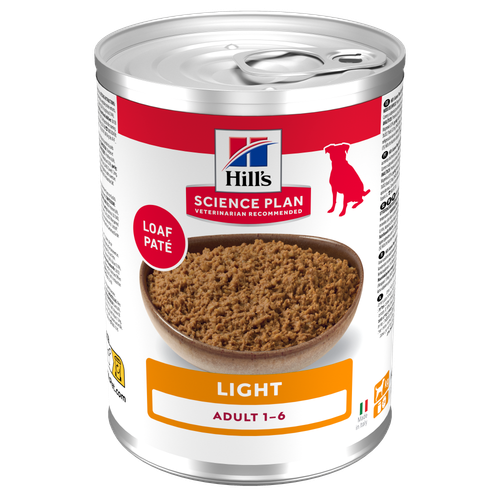
Adult Light Dog Food
Hill's Science Plan Light Adult Wet Dog Food is a complete premium pet food for adult dogs that tend to gain weight easily. This deliciously smooth loaf is formulated to deliver the appropriate amount of energy to support weight maintenance in adult dogs.
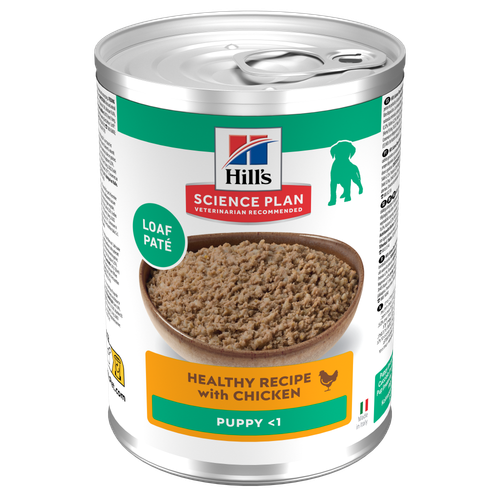
Puppy Food
Hill's Science Plan Puppy Wet Dog Food with Chicken is a complete premium pet food for growing puppies from weaning until 1 year old and for pregnant and nursing dogs. This deliciously smooth minced chicken loaf is precisely balanced to deliver the appropriate amount of energy to support the needs of growing puppies.
Related articles

Help, My Dog has an Upset Stomach!
Lots of dogs suffer from upset tummies from time to time. While the specific details sometimes don’t make pleasant reading, it’s important that you know what to expect.

How to Tell If Your Dog Has an Upset Stomach & How to Treat It
Learn how to recognise if your dog has an upset stomach or sensitive stomach issues, how a veterinarian might treat it and how nutrition can help.
Everything You Ever Wanted to Know About Dog Poo
Your guide to healthy dog poop and signs to watch out for that could indicate a health concern.

Why Does My Dog Eat Poop?
You've taken your dog for a walk, you've just finished telling the neighbour how well behaved he is and all of a sudden you catch him eating dog poo.

Put your dog on a diet without them knowing
Our low calorie formula helps you control your dog's weight. It's packed with high-quality protein for building lean muscles, and made with purposeful ingredients for a flavourful, nutritious meal. Clinically proven antioxidants, Vitamin C+E, help promote a healthy immune system.
Put your dog on a diet without them knowing
Our low calorie formula helps you control your dog's weight. It's packed with high-quality protein for building lean muscles, and made with purposeful ingredients for a flavourful, nutritious meal. Clinically proven antioxidants, Vitamin C+E, help promote a healthy immune system.