


If your dog keeps itching all the time, you're not alone, and it's not always fleas. Dogs may scratch all the time due to things like allergies, parasites and skin infections. Excessive licking, rubbing, or scratching can be harmless initially, but most times, it means something is wrong. We all know how horrible it is to feel itchy, and a dog that is constantly scratching can not only cause distress for the dog but also drive us mad as pet parents. This is especially true if your dog shares your bedroom!
In this article, we'll cover why your dog might be scratching, what to watch for, and what you can do to help ease their discomfort.
What are the most common causes of itching in dogs?
1. Fleas and ticks
Once you notice your dog itching, check for fleas and ticks first. These blood-sucking parasites use dogs as hosts all the time and can latch on anywhere. Ticks can go unnoticed for some time until they become fully engorged and large enough for you to spot and remove. Ticks can also carry diseases, some of which are contagious to humans.
2. Flea allergy
Fleas can be less dangerous than ticks but just as uncomfortable. While all dogs will find fleas itchy, some are allergic to the fleas’ saliva and can have much bigger reactions, even to one or two bites. Spotting fleas is sometimes easier than ticks, if you check regularly, but fleas actually spend most of their time in the soft furnishings of your house and just hop on your dog when it’s time to feed. This means they, too, can be elusive. A good way to tell if your dog has fleas is to look for flea dirt. This is essentially ‘flea poop’ and is basically digested blood. Comb your dog’s fur onto a white paper towel. If you see black specks, add a drop of water. If it’s just dirt, it won’t change colour, but if it’s ‘flea dirt’, it will stain red due to the blood. It’s a good trick to have up your sleeve.
3. Other dog parasites
There are other parasites, such as various types of mites that can cause itching in dogs. Some of these mites can also be contagious to humans, so watch out for signs like dandruff on your dog, and keep an eye on your and your family’s skin.
The best treatment for fleas, ticks and other parasites is prevention. Talk to your vet about what to use for your individual dog and your/their lifestyle to get an idea of how often to treat them.
4. Environmental allergies (atopy or atopic dermatitis)
Just like people, dogs can be allergic to just about anything. If you don't find any fleas or ticks but something is giving your dog itchy skin, you might be dealing with an allergy of some sort. Environmental allergies to things like pollen, trees, dust mites or moulds are common. These allergies are called atopy or atopic dermatitis. You may find that your dog is itchier at certain times of the year if pollen or plants are involved, but dogs with allergies to things like mould or dust mites can itch all year round.
5. Food allergies
Food allergies are some of the rarer allergies among dogs, but they can happen just as in humans. Food allergies may cause gut symptoms, such as vomiting and diarrhoea, as well as skin symptoms. The most common food allergies in dogs are to beef, chicken, dairy or wheat.
6. Infections
Bacterial and fungal infections can also cause your dog to feel itchy. Oftentimes, bacterial infections are secondary to self-trauma inflicted by the constant scratching.
How is the cause of dog itching diagnosed?
Finding the cause of itchiness in dogs needs a logical, systematic process and it can take time. Your vet may be able to give your dog some symptom relief while the process gets started. The diagnostic process will involve some or all of the following:
- Clinical exam: Your vet will look at where your dog is itching the most, as these patterns can point to causes. For example, fleas tend to congregate around the head and neck and the base of the tail.
- Hair samples, swabs and skin scrapes: These will check for fungal and bacterial infections and some of the microscopic mites.
- Food elimination trial: Your vet may suggest a special diet for a period of time to see if your dog has a food allergy. There are two main types of foods used for these:
- Hydrolysed protein: As most food allergies are to protein sources, your vet may use a hydrolysed food. This means that the proteins in the food have been broken down into pieces that are too small for the body to recognise as proteins but that the body can still use. These foods are good because, in theory, any dog with any allergy can eat them. This makes for an easy approach, especially if you don’t know what your dog’s feeding history is.
- Novel protein sources: These foods rely on knowing what your dog has been exposed to before. You feed your dog foods containing proteins they haven't been exposed to previously, such as venison or duck.
- Skin and blood tests for atopy: Your vet may suggest intradermal skin testing or blood tests to find out exactly what your dog is allergic to.
How is dog itchiness treated?
This will, of course, depend on the cause. You will likely need to resort to one or more of the following:
- You may find just keeping up to date with parasite control is enough for fleas or mites.
- Your vet may recommend medicated shampoos, anti-inflammatories, and possibly topical lotions if the skin is badly damaged in places.
- For dogs with food allergies, you can either stick with the special food or gradually try other foods to try to identify the exact offending ingredient. This can be time consuming and most pet parents find it easier to keep their dog itch free on the dietetic food.
- In case of atopy, once you know what your dog is allergic to, you may be able to avoid those allergens, but often there are multiple culprits and it can be difficult. You could try desensitisation. This involves a special, tailor-made ‘vaccine’ for your dog's allergies which gets periodically injected. This starts at tiny amounts and becomes more and more concentrated to allow the body time to acclimatise and stop being allergic. It doesn’t work for all dogs but can be a big help, even if you don’t get a total cure.
- Foods that help skin in general. There are many diets available that have ingredients that are designed to repair the skin barrier and reduce inflammation. These can be great for any itchy dog and especially helpful for dogs with atopy.
- Omega fatty acid supplements. These can help reduce inflammation and may help as part of an overall treatment plan. If your dog is on a skin diet, you almost certainly won’t need to supplement these, as special skin diets are often high in omega fatty acids, but always check with your vet.
Remember, some dogs unfortunately have multiple problems, so you may need a combination of these therapies to get the best result for your dog.
Visit your vet
As you can see, there are many reasons for dogs to be itchy, but the two most common reasons are parasites and allergies. Regardless of the reason, seek veterinary attention right away when you notice your dog scratching. Don't give any medications prior to your veterinarian's examination and instruction. You could delay diagnosis and worsen your dog’s problems.
Itchy skin is unpleasant for everyone concerned, and it can be time-consuming and costly to get to the bottom of it. But with patience, understanding and strong collaboration between you and the team at your veterinary clinic, many dogs and their owners can find great relief and lead happy lives.
Dog itching FAQs
Why does my dog keep itching but has no fleas?
Sometimes you may not see fleas, but they may still be in the house. If fleas are not the cause, it could be other parasites, infection, food allergy or atopy. It’s best to see a vet if your dog is itching all the time.
Is it normal for my dog to scratch all the time?
No. All animals, like humans, will get the odd itch, but if your dog is always itchy or has hair loss, scabs or inflamed skin, you need to see a vet.
Can food cause my dog to itch constantly?
Yes. Food allergies can cause intensely itchy skin as well as gut symptoms like diarrhoea and vomiting.
What can I give my dog to stop itching at home?
Don’t try to treat your dog at home without the say-so of your vet. You may delay diagnosis and worsen your dog’s skin problems.
How do I know if it’s allergies or parasites?
You may see parasites, but some are microscopic, and allergies need careful veterinary diagnosis. It’s best to see your vet rather than try to diagnose your dog at home.
Reviewed by Karen Shenoy, DVM.

Related products
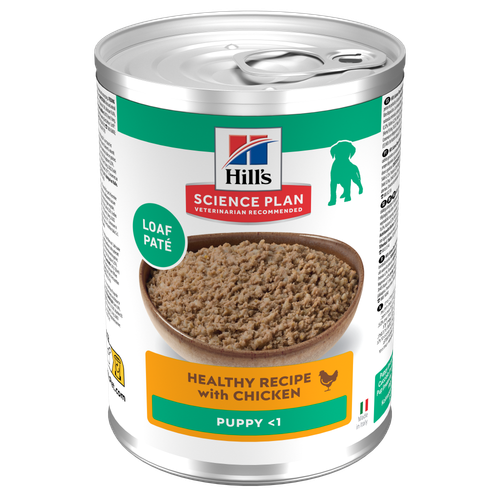
Puppy Food
Hill's Science Plan Puppy Wet Dog Food with Chicken is a complete premium pet food for growing puppies from weaning until 1 year old and for pregnant and nursing dogs. This deliciously smooth minced chicken loaf is precisely balanced to deliver the appropriate amount of energy to support the needs of growing puppies.
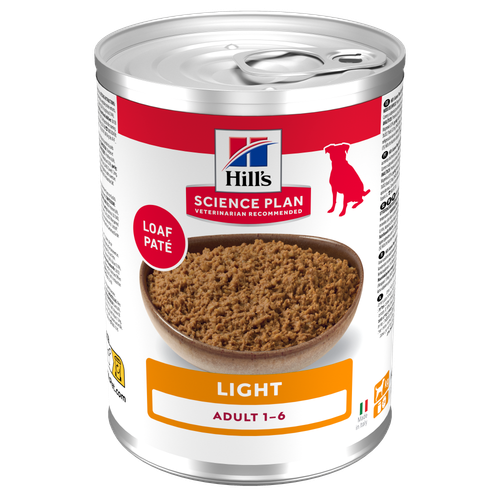
Adult Light Dog Food
Hill's Science Plan Light Adult Wet Dog Food is a complete premium pet food for adult dogs that tend to gain weight easily. This deliciously smooth loaf is formulated to deliver the appropriate amount of energy to support weight maintenance in adult dogs.
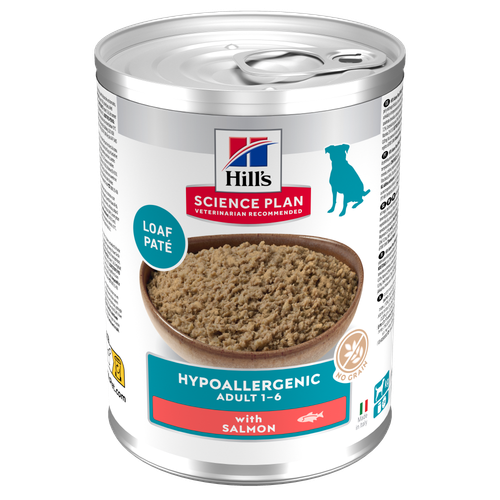
Hypoallergenic Adult Dog Food
Hill's Science Plan Hypoallergenic Adult Wet Dog Food with Salmon is a complete premium pet food for all adult dogs from 1 year. This savoury tinned loaf is specially formulated for dogs with delicate skin and stomachs. It features a single novel animal protein source and is grain-free.
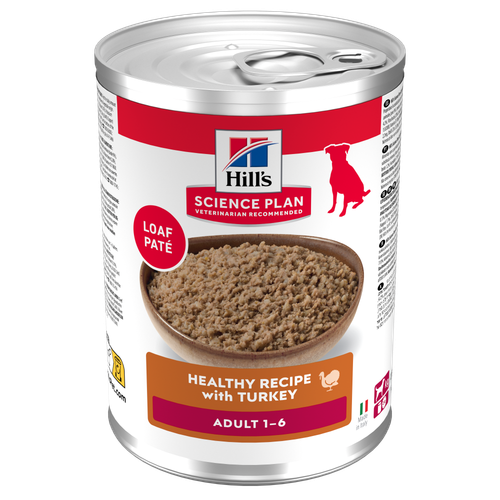
Adult Dog Food
Hill's Science Plan Adult Wet Dog Food with Turkey is a complete premium pet food for adult dogs from 1 year. This deliciously smooth minced turkey loaf is formulated to deliver the appropriate amount of energy to support the needs of adult dogs.
Related articles

What should I do about my overweight dog?
Dog obesity is a significant problem - learn more about helping your dog become trimmer and healthier through improved nutrition.
Is Your Dog Stretching a Lot? Reasons Why and When To Worry
Excessive stretching can be a symptom of a hidden issue or a sign of discomfort in your dog's stomach. Find out what to look out for with Hill's Pet Nutrition UK.

Why Are Labradors Always Hungry? The Science Behind Satiety
Discover the science behind your Labrador's insatiable appetite and what might be the cause. Find out more about your pet's dietary needs at Hill's Pet UK.

Blood in Dog Urine: Causes And Treatment
Discover the causes of blood in dog urine and learn about effective treatment options to ensure your pet's health. For expert advice, visit Hill's Pet UK.

Put your dog on a diet without them knowing
Our low calorie formula helps you control your dog's weight. It's packed with high-quality protein for building lean muscles, and made with purposeful ingredients for a flavourful, nutritious meal. Clinically proven antioxidants, Vitamin C+E, help promote a healthy immune system.
Put your dog on a diet without them knowing
Our low calorie formula helps you control your dog's weight. It's packed with high-quality protein for building lean muscles, and made with purposeful ingredients for a flavourful, nutritious meal. Clinically proven antioxidants, Vitamin C+E, help promote a healthy immune system.