


Dog skin problems are some of the most common health issues pet parents face, ranging from mild irritation to broken sleep and self-trauma. Whether your dog suffers from allergies, dry skin, or flea bites, recognising the signs early can prevent discomfort and complications. In this guide, we’ll cover the most frequent dog skin conditions, their causes, signs, and the best ways to manage them.
What are the signs of skin problems in dogs?
Many skin conditions in dogs have similar signs, resulting from inflammation and itchiness. The most common signs are:
- scratching
- licking and chewing
- scabs and crusts
- hair loss
- redness of skin
What are the common causes of dog skin problems?
Although many skin conditions have similar signs, there can be subtle variations that are useful indications of the underlying cause. Let’s look at the most common causes of dog skin issues and their subtle differences.
- Fleas
Flea bites cause irritation that can be quite mild if there isn’t a heavy infestation. However, some dogs are allergic to flea saliva and can have intense reactions, even to one or two bites.
Signs of fleas and flea allergy: Hair loss and scabs/crusts, especially around the tail base, head and neck, excessive scratching of the ears, head shaking and chewing around the tail. Comb your dog’s fur onto a white piece of tissue. Moisten any black specks you see. If the paper turns red, the specks are likely flea dirt and a sign of fleas. - Mites
Mites can cause a variety of symptoms depending on the species.
Signs of mites: Sarcoptes (scabies) love ear flaps and armpits and cause intense itching, hair loss in those areas and self-trauma. Demodex may not cause much itching and are often picked up by puppies when suckling from their mother. Affected puppies often lose fur on their muzzles. Some dogs with weakened immune systems get generalised demodex and may lose fur all over the body. Cheyletiella mites are often called ‘walking dandruff’ because they are visible to the naked eye. These are also highly contagious, so keep an eye on yourself and your family, too. - Atopic dermatitis or atopy
Atopic dermatitis/atopy is an allergy to things in the environment, such as pollen, mould, grasses and dust mites.
Signs of atopy: Atopy tends to cause irritation on the ears, face, groin and paws. Some breeds are more prone to atopy, including labradors, golden retrievers, poodles and French bulldogs. - Food allergy
Food allergies can cause skin symptoms as well as digestive symptoms, such as vomiting and diarrhoea. The most common food allergies in dogs are to chicken, beef, dairy and wheat.
Skin signs of food allergy: Very similar to atopy, food allergies can cause irritation around the ears, face, groin and paws – but also forelegs, around the anus and on the tummy/ventrum. - Bacterial and fungal infections
Bacterial infections can cause itching, hair loss and very inflamed, damaged skin in almost any location. These are often secondary to self-trauma, in which itching damages the skin, allowing bacteria to enter. Fungal infections may cause hair loss in just one specific location (such as ringworm) or irritation and chewing/licking (such as malassezia).
Are dog skin problems seasonal?
The short answer is yes and no! But this can also point to the underlying cause. Some dogs with allergies to things like plants may have very marked seasonal flares, like humans with hayfever. Dogs with allergies to food or things like dust mites may itch all year round. Fleas also tend to spike in summer, but with centrally heated houses, fleas can also be a year-round problem.
How are dog skin problems diagnosed?
Your vet will typically use a logical, step-wise approach to get to the bottom of your dog’s skin issues. This can take time, so be patient and try to help your vet as best you can by giving a thorough history and following their advice. The diagnostic process will involve one or more of these:
- Clinical exam to look at lesion location, character and size and to check for fleas and other visible parasites.
- Skin scrapes, swabs, smears and hair samples to check for microscopic parasites, bacteria and fungal infections.
- Food elimination trial for food allergy. This may last up to 12 weeks, as you monitor for improvement in skin symptoms.
- Blood tests or intradermal skin testing for environmental allergies.
How are dog skin problems managed?
This will very much depend on the underlying cause. Some unfortunate dogs have more than one problem.
- Break the itch-scratch cycle and treat infection. Your vet may prescribe ointments, shampoos, antibiotics, antifungals or anti-inflammatory drugs to get the skin under control and give your dog (and you!) some relief from the itching.
- In addition to managing clinical signs, fleas and flea allergies can usually be controlled by using an appropriate flea preventative and treating your house for fleas as needed.
- Mites can be difficult to get rid of depending on the level of infestation and type of mite. Therapies can include topical (spot-on) or injectable treatments or medicated shampoos.
- Atopy can be tricky to manage if you can’t limit exposure to the offending allergens. Frequent vacuuming can help with dust mites, but many dogs are sensitive to multiple allergens. Desensitisation or hyposensitisation can make a big difference to many dogs. This is where a tailor-made regime is developed for your individual dog. Over a period of time, your dog will receive injections containing very small levels of allergens. The allergen dose is slowly increased over time and can help desensitise your dog (or make them no longer react to or have minimal reactions) to the items they are allergic to. Some dogs seem to do better than others, but it’s definitely worth trying. Your vet may also prescribe anti-inflammatory drugs or drugs to reduce the immune reaction causing the itching.
Your vet may also recommend a dietetic pet food to help restore the skin barrier and improve general skin health (see below). Food allergies can be controlled by avoiding the food your dog is allergic to. Your vet will usually offer one of the following (also used for the food elimination trial):
- A hydrolysed protein diet. This is where the protein source is broken down into fragments that are too small for the immune system to recognise them.
- A novel protein diet. This is a food that contains a protein source your dog has not had before, such as duck, venison or insect protein.
Food for long-term management of dog skin disease
As mentioned above in the atopy section, there are foods that are formulated to promote skin health and function. These foods have good quality protein, high omega fatty acids, antioxidants and special ingredients to restore the skin barrier function, and added vitamins and minerals that are vital for skin health. Dogs with a wide variety of skin diseases can benefit from these diets, as an aid to overall management. Ask your vet to recommend one that would best suit your dog.
If you think your dog has a skin problem, get help from your vet as soon as possible. This will reduce the likelihood of self-trauma (from repeated scratching) and secondary infections and make the diagnostic process much easier for your vet.
While skin problems in dogs can be a pain for all concerned, with modern medicine and good nutrition, many dogs with skin problems can lead happy, itch-free lives.
Dog skin problem FAQs
What are the most common dog skin problems?
Fleas, mites, allergies (atopy and food), bacterial and fungal infections.
Why is my dog scratching so much but has no fleas?
Fleas spend most of their time in the soft furnishings of your house, so your dog may have fleas even if you don’t see them. Always rule out fleas, as they are so commonly involved. Seek veterinary advice to get a diagnosis.
What is the best food for dogs with skin allergies?
This will depend on whether your dog needs an elimination diet for a food allergy or a food formulated to boost skin function such as for atopy. Speak to your vet about the right food for your individual dog.
How do I treat dry skin in dogs at home?
It’s always best to avoid trying home remedies and instead seek veterinary advice. If you try and fix things at home, you could delay and complicate diagnosis and cause your dog more irritation and discomfort.
Reviewed by Karen Shenoy, DVM.

Related products
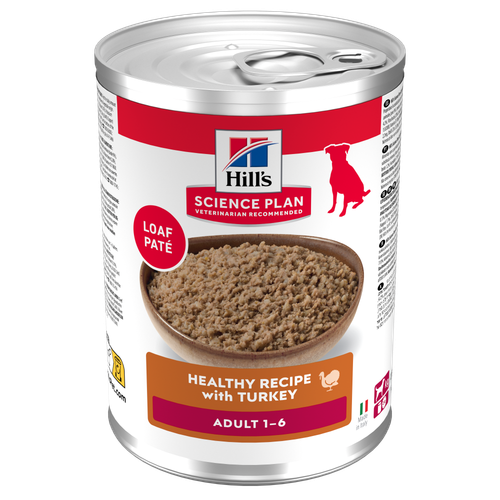
Adult Dog Food
Hill's Science Plan Adult Wet Dog Food with Turkey is a complete premium pet food for adult dogs from 1 year. This deliciously smooth minced turkey loaf is formulated to deliver the appropriate amount of energy to support the needs of adult dogs.
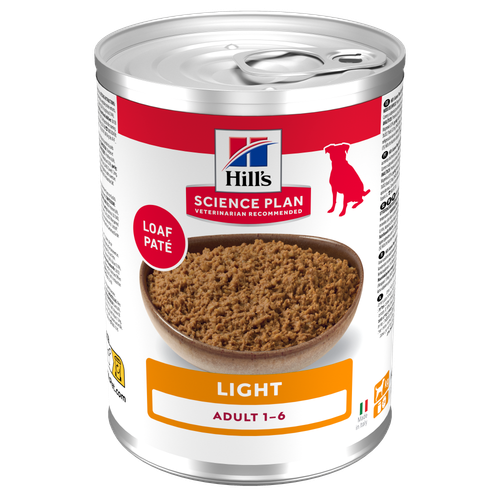
Adult Light Dog Food
Hill's Science Plan Light Adult Wet Dog Food is a complete premium pet food for adult dogs that tend to gain weight easily. This deliciously smooth loaf is formulated to deliver the appropriate amount of energy to support weight maintenance in adult dogs.
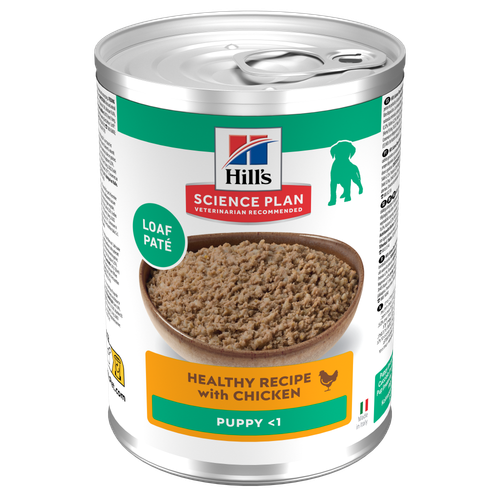
Puppy Food
Hill's Science Plan Puppy Wet Dog Food with Chicken is a complete premium pet food for growing puppies from weaning until 1 year old and for pregnant and nursing dogs. This deliciously smooth minced chicken loaf is precisely balanced to deliver the appropriate amount of energy to support the needs of growing puppies.
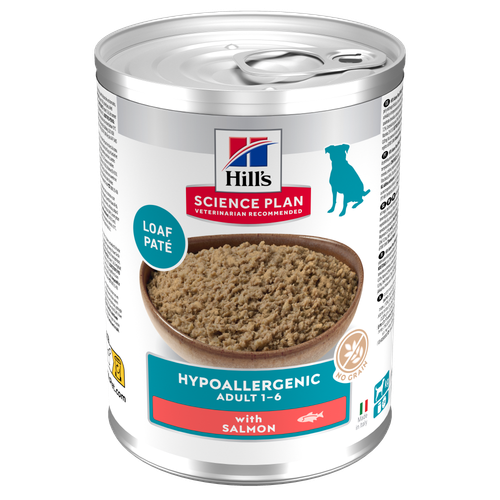
Hypoallergenic Adult Dog Food
Hill's Science Plan Hypoallergenic Adult Wet Dog Food with Salmon is a complete premium pet food for all adult dogs from 1 year. This savoury tinned loaf is specially formulated for dogs with delicate skin and stomachs. It features a single novel animal protein source and is grain-free.
Related articles

Mange in Dogs: Types, Symptoms and Treatment
Learn about the different types of mange in dogs, their symptoms, and effective treatment options. For expert guidance on managing mange, visit Hill's Pet UK.

Pyoderma in Dogs: What You Need to Know
Learn what pyoderma in dogs looks like, what causes it and how nutrition & your dog's food can play a role in preventing and treating the infection.

How Food Allergies Can Affect Your Dog
Learn about dog food allergies, including their symptoms and treatments. Discover more insights and care tips at Hill's Pet.
Dog Dandruff Explained: What It Is and How to Manage It
From flakes to itching, dog dandruff is more common than you think. Here’s how to help your dog with easy remedies and daily prevention.

Put your dog on a diet without them knowing
Our low calorie formula helps you control your dog's weight. It's packed with high-quality protein for building lean muscles, and made with purposeful ingredients for a flavourful, nutritious meal. Clinically proven antioxidants, Vitamin C+E, help promote a healthy immune system.
Put your dog on a diet without them knowing
Our low calorie formula helps you control your dog's weight. It's packed with high-quality protein for building lean muscles, and made with purposeful ingredients for a flavourful, nutritious meal. Clinically proven antioxidants, Vitamin C+E, help promote a healthy immune system.