


Having a dog is a huge source of happiness for millions of people all over the world – after all, they are our best friends! However, dogs have complex and varied needs that must be met in order for them to be happy and healthy. Knowing the various life stages they go through is very useful to prepare you for the challenges you might face. In this article, we will guide you through these stages from puppyhood to the golden oldie years, so you’ll be well equipped to deal with all eventualities.
Early puppy stage: 0-6 months
We could write a whole book about this stage, but for the purposes of this article, we’ll stick to the essentials! Unless you bred your puppy yourself, you will probably take them home around the age of 8-9 weeks. They will be weaned, eating puppy food and should have their baby teeth. Your house will be buzzing with excitement about the new arrival, and you will have shopped for all the accessories you need.
Highlights
This is the stage that everyone loves. Puppies are adorable and funny – you can’t stop watching them and smiling. Observing your puppy grow and learn new things is a real joy.
Challenges
This is also a stage with some big challenges!
- House training. Most dogs pick this up quickly, if you’re patient, kind and consistent.
- Socialisation and habituation. This is how your puppy learns to cope with the world and how to get on with humans and other animals. This is vitally important if you want a happy, confident dog and should have been started from around 3 weeks with your breeder.
- Training. If you teach your dog one thing, make it recall. Dogs that come back when they’re called can have a much better life, go off lead and have fun. It will make your life as an owner way more relaxing, too. Ask your vet to recommend a good puppy training class. Always make this reward-based and positive.
- Chewing. Puppies chew, especially when they’re teething from 4-6 months. You’ll need to hide anything precious or dangerous!
Essentials
- Puppy food! It’s essential that your puppy has a premium puppy food that is complete, balanced and appropriate for the size of dog they will be as an adult. Ask your vet for their recommendation. Feeding your puppy the correct food is essential for optimal growth, skeletal development and brain development.
- Recall, recall, recall! Recall is a vital skill for dogs, and you should start training as soon as possible. Remember to use positive reinforcement by providing a high-value reward, praise, or their favourite toy every time they come back to you when cued.
- Exercise. Your puppy won’t need too much to start with, but far too many dogs never get enough exercise, and this is the time to get into good habits – ideally, twice a day, every day. This can be much harder than you think; however, a mentally and physically stimulated dog is a happy one. And it’s great for you too!
- Vet checks, vaccinations, microchipping and worming. Talk to your vet about how often you need to see them and what the schedule of preventive healthcare is. This is very important at this age. Monitoring growth and weight will help keep your puppy slim and healthy. Slim puppies become slim adults and live longer lives.
Puppy adolescent stage: 6-18 months
Even if you’ve never had a teenage child, you almost certainly remember being one! This stage is when your puppy is really going to start being boisterous, massively energetic, looking for boundaries and testing your limits!
Highlights
This is when you’re going to really start to get to know your dog and their unique personality. You’ll be able to start exploring with them on longer walks, playing and interacting.
Challenges
- Behaviour. As with all things behavioural, the keys are to be consistent, be patient and reward good behaviour rather than punishing or ignoring bad behaviour. If you’re finding this stage difficult, get help as soon as you feel you are struggling. Good behavioural advice is invaluable. For the majority of dogs that are relinquished at this stage, it’s because of a problem behaviour that wasn’t tackled in the right way or soon enough. Ask your vet to recommend a qualified specialist.
Essentials
- Continue good preventive care with vet checks for growth rate and weight.
- Walks! Every day, twice a day minimum!
- Neutering. This is when most dogs will be neutered. Depending on the size and type of your dog and their personality, your vet may advise neutering at 6 months or waiting until they are more grown and developed. Be sure to ask your vet for a food recommendation at this stage also. Calorie needs are greatly reduced following neutering, and feeding your dog the right food in the right amount can be key to preventing obesity.
Adult dog stage: 1-6 years
Most dogs are considered adults around the age of one year. Some very large or giant dogs will need until they are 18 months to mature fully. The adult years are the prime of your dog’s life, and will hopefully be the easiest for you to navigate and the most fun.
Highlights
Having an adult dog! By now, hopefully your trusty companion is well-trained, healthy, slim and confident. You have your routines established and you know each other and your moods. No matter how bad your day has been, your dog will be there for you to put a head on your knee and make you smile even when it seems impossible.
Challenges
Apart from unforeseen medical issues, challenges should, hopefully, be minimal.
Essentials
- At least annual veterinary examinations. This is the time to discuss your dog’s individual needs with regard to vaccinations and parasite control. Not all vaccinations and preventive treatments are needed all the time, but some vaccinations are essential, so make sure your dog is up to date.
- Keep them slim! Weigh your dog monthly at home or in the vet’s office. Vet visits where nothing bad happens are always good – it helps make vet visits less stressful for your dog, in general. Weight change in either direction can be a sign of problems, often one of the earliest. Tracking it gives you a great chance to be ahead of the game.
- Again, ask your veterinarian to recommend an ideal adult dog food for your pet, one that is complete and balanced, appropriate for the adult lifestage, and designed to address any special needs your pet might have.
Mature and senior dog stage: 7 years onwards
By this time, you will have developed a deep emotional connection with your dog, and you may be starting to get anxious about their age. You will also start to notice changes sooner or later. At what age a dog is considered mature or senior varies with their size. In general, larger and giant dogs have shorter life spans. A great Dane would be considered senior at 6 or 7 years of age, but a Jack Russell wouldn’t be until around the age of 11+. Your vet will be the best resource to advise you on your individual dog and their life expectancy.
Highlights
The bond you have. Owning a dog is so special. Their love for you is a constant and will never diminish. They are your loyal companion through thick and thin, whatever life throws at you.
Challenges
- Health. This is when your dog’s health may start to decline. Be aware of:
- Weight, whether gained or lost. As mentioned above, this can be an early indicator of many medical conditions.
- Arthritis. Be vigilant and watch for stiffness, reluctance to get in the car or jump, or fear of slippery floors. Chronic pain is a major issue for dogs with arthritis.
- Appetite and thirst. As with weight, changes in appetite or thirst, in either direction, are often early signs of problems such as diabetes or kidney disease.
- Facing the end. The inevitable loss of a pet is by far the biggest challenge any of us face and what we all dread. Be open with your vet and be aware there are lots of resources to help grieving pet parents. Being devastated is normal and nothing to be ashamed of.
Essentials
- Vet checks. These are the years when more frequent vet visits, typically twice yearly, will be recommended. Your vet may also want to do occasional blood and urine tests. These are the most definitive ways to catch underlying medical problems before you see clinical signs.
- Keep them slim as always, but watch for loss of muscle mass in the later years.
- Mature or senior dog food. These foods are formulated to meet the needs of older dogs and can help reduce the workload on their internal organs. If your pet has a medical condition, your veterinarian may recommend a dietetic pet food. Ask your vet which food is most appropriate.
- Be aware your dog may be less able to groom themselves and may need extra help.
- Be aware your dog may need or want less exercise. In general, at this stage, shorter, more frequent walks are better than long, occasional walks.
- You may need to modify your home to accommodate a dog with joint problems. Consider ramps, thicker, more comfortable beds, and non-slip flooring.
How to support your dog through every stage
Dogs are our loyal companions, and they deserve the best from us, too. Keys to being a great ‘dog parent’ include:
- Kindness and reward-based training
- Make sure the whole family is consistent with rules
- Knowing your dog’s life stages, so you know what to expect and can be prepared
- Knowing what’s normal for your dog, so you spot things going wrong as early as possible
- Respect your dog’s space and need for alone time
- Stay in regular touch with your vet
- Keep your dog slim
- Twice daily walks, tailored to your dog’s age and type
It’s a long list, but dogs are complex, intelligent animals, and dog ownership is not something to be taken lightly. That said, if you have the time, resources and energy to bring a dog into your family, they will bring you a lot of joy!
Dog life stage FAQs
At what age should I neuter my dog?
This depends on your dog’s breed/type and their personality. Dogs are often neutered around the age of 5-6 months, but some larger breeds may benefit from waiting due to possible effects on their skeletal development. Ask your vet about the ideal timing for your individual dog.
When does a dog stop growing?
Most dogs are considered adults and fully grown at around the age of one year. Some very large or giant dogs will need until they are 18 months to mature fully.
When is my dog mature or senior?
This depends on the size of your dog as an adult. In general, the larger the dog, the shorter they live. A giant dog would be considered senior at around 6-7 years, while a terrier wouldn’t be classified as senior until 10-11 years of age.
How can I tell the age of my dog?
When dogs are puppies, you can tell their rough age by their teeth. Baby teeth are replaced by adult teeth gradually between the ages of 4 and 6 months, starting with the incisors in the front and ending with the molars at the back. After they become adults, it requires an educated guess based on whether they look to be in good body condition, have started to go grey, or are showing other signs of old age. Also larger dogs tend to age more quickly than smaller dogs.
Can dogs have the same food for life?
No. Puppies need foods that are formulated for optimal growth, after growth is complete, it’s best to switch to a food that is designed specifically for adults. Senior or mature foods in the later years are gentler on the organs and can help address signs of ageing. Generally speaking, look for a pet food that is designed for your pet’s lifestage. Your veterinarian can recommend an ideal food to meet your pet’s needs.
Reviewed by Karen Shenoy, DVM.

Related products
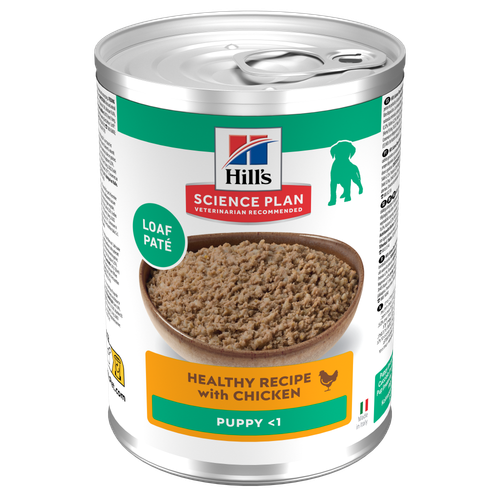
Puppy Food
Hill's Science Plan Puppy Wet Dog Food with Chicken is a complete premium pet food for growing puppies from weaning until 1 year old and for pregnant and nursing dogs. This deliciously smooth minced chicken loaf is precisely balanced to deliver the appropriate amount of energy to support the needs of growing puppies.
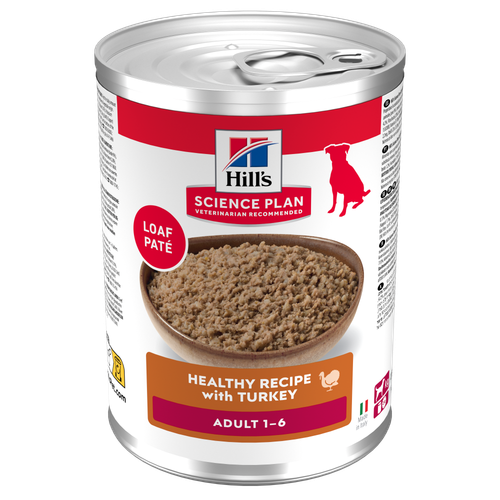
Adult Dog Food
Hill's Science Plan Adult Wet Dog Food with Turkey is a complete premium pet food for adult dogs from 1 year. This deliciously smooth minced turkey loaf is formulated to deliver the appropriate amount of energy to support the needs of adult dogs.
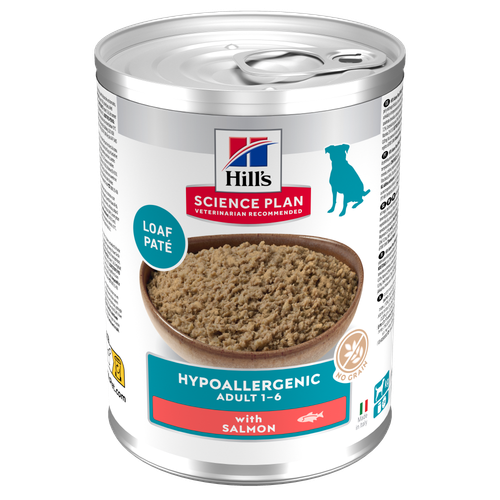
Hypoallergenic Adult Dog Food
Hill's Science Plan Hypoallergenic Adult Wet Dog Food with Salmon is a complete premium pet food for all adult dogs from 1 year. This savoury tinned loaf is specially formulated for dogs with delicate skin and stomachs. It features a single novel animal protein source and is grain-free.
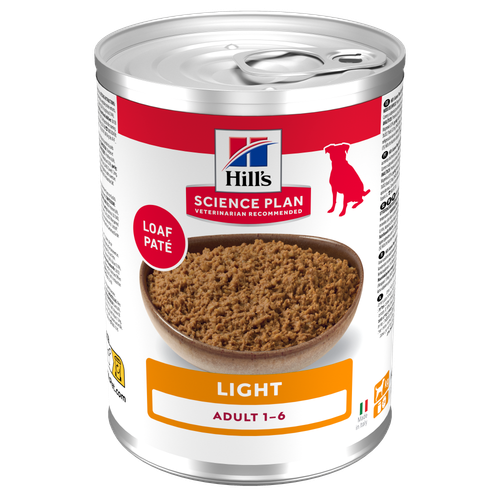
Adult Light Dog Food
Hill's Science Plan Light Adult Wet Dog Food is a complete premium pet food for adult dogs that tend to gain weight easily. This deliciously smooth loaf is formulated to deliver the appropriate amount of energy to support weight maintenance in adult dogs.
Related articles

Everything You Need to Know About Microchipping Dogs
Learn why microchipping dogs is vital for pet safety. Discover benefits, costs, and the details to protect your furry friend. See more at Hill's Pet UK.

Dog Vomiting and Diarrhoea: When to Worry and What to Do
Is your dog vomiting or suffering from diarrhoea? Learn what’s normal, what’s not, and when to seek help with this vet-reviewed guide for pet owners.
Halloween Safety Tips for Dogs
Ensure a safe and confident scary Halloween season for your dog with our expert tips and learn how to keep your dog protected. Visit Hill's Pet UK for more.
Blood in Dog Urine: Causes And Treatment
Discover the causes of blood in dog urine and learn about effective treatment options to ensure your pet's health. For expert advice, visit Hill's Pet UK.

Put your dog on a diet without them knowing
Our low calorie formula helps you control your dog's weight. It's packed with high-quality protein for building lean muscles, and made with purposeful ingredients for a flavourful, nutritious meal. Clinically proven antioxidants, Vitamin C+E, help promote a healthy immune system.
Put your dog on a diet without them knowing
Our low calorie formula helps you control your dog's weight. It's packed with high-quality protein for building lean muscles, and made with purposeful ingredients for a flavourful, nutritious meal. Clinically proven antioxidants, Vitamin C+E, help promote a healthy immune system.