


Cats - aloof, mysterious, unpredictable, duplicitous.
These are some of the many adjectives that people often use when they describe cats to me. And while I can understand the reasons, in my world, it’s just not true.
In times gone by, people may have thought simply of cats as doing a job – as using our homes like a hotel, while spending their time outdoors gainfully employed as vermin hunters, or alternatively lazing the day away in a patch of sunshine.
These days, however, we are much more inclined to recognise our wonderful felines as an integral part of the family. A communicative, playful and loving being, whose behaviour and body language is worth studying, and understanding, so that we can be the very best pet parents we can be.
And this value goes both ways. Because life with a cat who is experiencing unrecognised stress or anxiety can mean a life of worry and difficulty for us too. It can also lead to physiological problems such as feline lower urinary tract disease (FLUTD) in cats, so it really is very important that we try to better understand our cats’ body language and behaviour.
Cats experience stress, and internalise it
Unlike dogs, cats tend to internalise emotional stress, and this can have a big impact on their behaviour, and their health and wellness.
An unhappy cat cannot tell us in words that they are fearful of next door’s ginger tom, or that they are upset by the presence of a new human in the house, and because cat body language is subtle, their emotional state may go unrecognised for weeks, months or even years.
Domestic cats are nature’s perfect blueprint of a solitary hunter. In fact, Leonardo da Vinci is quoted as saying, “The smallest feline is a masterpiece.”
Unlike the big cats, such as lions, who live in social groups and hunt as a team, our ‘living room predators’ are designed to hunt alone. They are crepuscular – meaning that they are most active at daybreak and twilight – hence those incredible eyes that have evolved to capture as much light as possible in low lumen levels, and incredibly sharp hearing to be able to detect even the smallest squeak or rustle from its prey.
Significantly, our cats hunt on small quarry that typically feed just one – think mouse-sized. They like dining alone and may hunt up to 12 times a day to satisfy their nutritional needs.
Cats don’t like to share
This behaviour fundamentally defines domestic cats. Lacking the need to co-operate with others of their kind to bring down big prey, they have no need for obvious social signalling. Basically, cats don’t share. While some individuals may tolerate or even appreciate the company of siblings, the vast majority are happiest when they can command their own space and have interactions on their own terms.
Essentially, these innate needs are what make cats so fascinating to us. Their self-reliance is remarkable for a small, relatively fragile animal that is inherently vulnerable, and yet they are adventurous, curious, able to feed themselves, groom themselves and use their amazing agility and ingenuity to explore and take advantage of their surroundings.
All this autonomy, and yet they choose to be with us!
Of course, humans are useful to cats – we provide shelter, warmth, safety, food and comfort. But it’s not just our resources that make cats want to be with us – they form strong bonds with us, too.
Those attachments supersede species’ differences – especially if we learn to understand and appreciate what our cats tell us in their own unique and subtle ways.
Cats love good manners
Cats are sensitive creatures. And more than anything, they love manners!
Cat body postures and vocalisations are not obvious. They don’t bark at us when they want attention or are feeling worried about a situation, nor do they jump up and wag their tails no matter how pleased they are to see us.
In fact, as I frequently explain to worried pet parents, the fact that your cat comes into the house, meows once to find out where you are, then heads off upstairs to pull bits of dirt off their paws on your side of the bed is really a compliment!
Learn to talk cat
Learning to ‘talk cat’ requires us to become maestros of observation. The difference between a cat which is stationary and hunched in pain or fear, versus one that is completely relaxed with their tail wrapped round them and their paws tucked underneath can be hard to read, even for experienced cat people, but it is possible to learn this, and – I think – fun!
Learning feline micro-expressions will not only mean that you will be able to spot when things aren’t right with your kitty – and intervene early on - they will also increase the two-way communication between you and deepen your relationship and bond.
Common cat body language signals and their meanings:
| Cat Signal | Meaning |
|---|---|
| Slow blinking | Trust and affection |
| Purring | Contentment or self-soothing |
| Flattened ears | Fear, aggression, or overstimulation |
| Tail flicking | Irritation or heightened alertness |
| Belly up (but not inviting touch) | Defensive posture, not always submission |
Here are my top tips for strengthening your feline comms and understanding cat behaviour even better:
1. Give them what they need (and don’t take it personally if they don’t want to sit on your lap!)
All cats have strong individual preferences. OK, let’s call it out – they are fussy! The closer we can get to offering them environmental perfection, the happier they are.
For most cats this includes several specific architectural requirements: they live in a 3D world, so think upwards thoughts when considering where your kitty might like to spend their time. High places where only one cat comfortably fits – such as a bookshelf or a purpose-built cat tower are right up there in their ‘grand designs’ wish list!
Cats love polite manners. This means that they prefer to be the ones to approach, rather than be approached. (This explains why people who aren’t fond of cats often attract them like magnets!) Many also prefer to sit with you or next to you, enjoying your company without the need for full-on physical contact. Not all cats are lap-cats, and just as different people have varying proximity preferences, so do cats. Appreciating this, accepting it and respecting it can go a long way to creating the trust that most humans crave with their cats.
2. Learn feline body language and subtle signalling systems
Many people learn the hard way that a tiny twitch of their cat’s tail is the first signal that their cat isn’t happy. Way better to spot a subtle signal like this and act on it – by ending the interaction – than it is to wait until the cat is so annoyed with your lack of understanding that it feels forced to thrash its tail, strike out with claws or teeth, or run away.
Cats are not duplicitous. They are subtle. It’s a big difference.
3. Understand your cat’s scent security systems
Most humans access information about the world around them primarily via visual and auditory means. Cats are primarily olfactory.
This means that to feel happy and secure cats employ a range of different scent systems that make them feel reassured that all is safe and familiar. This is one of the reasons that cats rub on us – they want us to smell like them, like family. They literally recognise us (and other family pets) by scent, rather than by visual identification, and they need to top this ‘clan odour’ up every few hours in order to keep it constantly reassuring.
This information is imperative to your cat’s welfare – just think about how terrifying it might be for your cat to suddenly find a stranger in their home – whether that ‘stranger’ is a new baby, your new love-interest, or another cat that they have always lived with and liked, but which has been to the vet and come home smelling different.
4. Don’t underestimate the impact of emotional stress
All too often, cat parents will tell me that their cat is ‘being naughty’ by scratching the furniture, spraying urine in the house, weeing on the bed, or even being aggressive. Sometimes they even imply that their cat is deliberately ‘punishing’ them – for being away from home, for example.
Sadly, this is a huge misinterpretation, and one which only has further negative implications for your cat’s behaviour.
As an experienced Certified Clinical Animal Behaviourist, I know that every behavioural problem that a cat presents is either caused by a hidden clinical issue, or by a hidden emotional upset – or both!
Behavioural issues never arise out of the blue for no reason
Because of this, it’s critical that any behavioural change in your cat should be explored by a vet – and they should leave no stone unturned in their quest to find a cause: up to half of all my cases last year had a clinical component and those are just the ones that got diagnosed! Basically, if your cat is acting in any way that’s out of the ordinary, it’s worthy of veterinary and behavioural attention.
After that, the next step is to ensure that all aspects of our cats’ emotional welfare are assessed. Health and wellbeing are inextricably linked in cats and we owe it to them to ensure that both are addressed. The good news is that sometimes a ‘cure’ for even a tricky behavioural issue can be achieved with relatively straight-forward and easy changes. Cats are highly sensitive to their environment, routine and our behaviour – which is both a blessing and a curse!
Make time for playing with your cat
Did you know that you can transform your relationship with your cat simply through play and enrichment? I bet that you nod in agreement to this… but do you take action as a result?
Cats love to play. Many are super bright and adore training too, but how many of us really make an effort to teach them to engage with us in this way?
Cats’ learning styles vary, just as dogs’ (and humans’) do. As a general rule, they like little-and-often play sessions, with just the right amount of movement and noise so that they are engaged, but not startled. Many cats respond well to training using tiny, tasty food treats as motivation and reward, while others prefer fetch games and fast-moving toys.
Discovering the kinds of games that your cat really enjoys is part of the fun of being a pro-active cat parent, and as a behaviour specialist I can attest to the power of fun in a relationship – it’s often the missing link in human/feline communication and can build bonds that last a lifetime.
By learning to read your cat's subtle cues, offering them an environment that meets their needs, and addressing emotional or behavioural issues with insight, patience and care, you can improve your cat’s wellbeing and strengthen your relationship. Understanding and respecting the unique nature of the cat will help you be the best cat parent you can be, ensuring a happy and healthy life for your feline friend.

Related products

Mature Adult Wet Cat Food with Chicken
Hill's Science Plan Mature Adult Wet Cat Food Premium Chunks in Sauce with Chicken is a complete pet food for mature adult cats 7+ years old

Light Adult Wet Cat Food Chicken
Tender chunks in gravy for cats, with L-carnitine and fewer calories for ideal weight management. Packed with high-quality protein, omega-6s, and vitamin E for shiny fur and healthy skin.

Adult Wet Cat Food with Chicken
Tender chunks in gravy for cats, with high-quality protein to maintain lean muscle. With vitamin E and omega-3s & -6s for healthy skin and balanced minerals to support healthy vital organs.

Adult Wet Cat Food with Chicken
Tender chunks in gravy for cats, with high-quality protein to maintain lean muscle. With vitamin E and omega-3s & -6s for healthy skin and balanced minerals to support healthy vital organs.
Related articles

Cats Need Good Nutrition In Order To Stay Healthy
Good nutrition is about the right balance of nutrients. Learn more about health issues when feeding a cat food that has an improper nutritional balance from your friends at Hills Pet Nutrition.

How to Transition Your Cat to Hill's Senior Age Defying Cat Food
Making the informed decision to move your cat to Hill’s Senior 11+ Healthy Aging cat food is an important one. Transitioning your cat to a new food needs to be done the right way. Follow these simple steps for the transition.

Hill's Cat Foods: Nutritional Balance Just for Indoor Cats
Find the right Hill
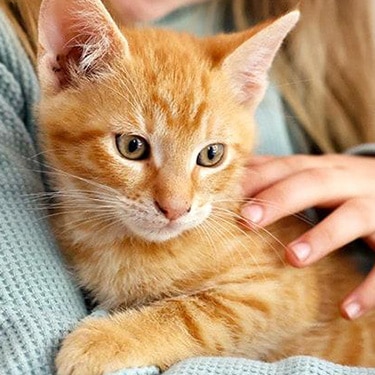
What Human Foods Can Cats And Kittens Eat?
Discover which human foods are safe for cats and kittens to enjoy. Ensure your pet's safety with our guide to healthy feeding at Hill's Pet UK.
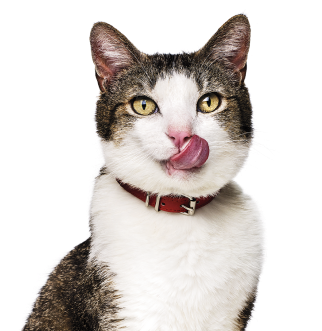
Put your cat on a diet without them knowing
Our low calorie formula helps you control your cat's weight. It's packed with high-quality protein for building lean muscles, and made with purposeful ingredients for a flavourful, nutritious meal. Clinically proven antioxidants, Vitamin C+E, help promote a healthy immune system.
Put your cat on a diet without them knowing
Our low calorie formula helps you control your cat's weight. It's packed with high-quality protein for building lean muscles, and made with purposeful ingredients for a flavourful, nutritious meal. Clinically proven antioxidants, Vitamin C+E, help promote a healthy immune system.