


Cardiopulmonary resuscitation (commonly known as CPR) is a life-saving form of first aid. Dog CPR and cat CPR can be used to save a pet's life if a dog or cat stops breathing or their heart stops beating. When this frightening occurrence happens, it is known as cardiopulmonary arrest. If this ever happens to your dog or cat, it's vital that you know how to perform CPR. In order to be prepared for this kind of emergency, taking a cat and dog first aid online training class through the Red Cross can help.
A Step-by-Step Guide on Performing Cat and Dog CPR
While pet CPR should be performed by your veterinarian, if you find that you do need to give your cat or dog CPR, follow these steps:
1. Check for Your Pet's Heartbeat
You can check for your pet's heartbeat by placing your hand on the left side of the chest just behind the point of the elbow. You can check to see if a pet is breathing by watching their chest move up and down with each breath. If you do not feel a heartbeat or if you don't see your pet's chest moving up and down, start chest compressions immediately. Keep in mind that chest compressions vary by the size of the pet:

- For cats and small dogs: Place the palm of your dominant hand over the heart and place your other hand over your dominant hand. You will want to do compressions with the heel of your dominant hand covered by your other hand.
- For puppies and kittens: Place your thumb on the top side of the chest, and the other fingers on the bottom side. Then, use your fingers to compress the chest.
- For big dogs or deep-chested dogs: Place your dominant palm over the widest part of the rib cage and place your other hand over your dominant hand.
- For dogs with barrel chests: For bulldogs, rottweilers, mastiffs and Staffordshire terriers, roll the dog onto their back. Place your dominant palm over the widest part of the bottom of the chest (the sternum), and place your other hand over your dominant hand. Make sure your shoulders are right above your hands, and lock your elbows.
2. Start Chest Compressions
Do 30 chest compressions in a row. If you feel yourself becoming fatigued before you reach a count of 30, it is better to have someone else take over performing chest compressions (if possible) to ensure quality chest compressions are being provided. You will need to push hard on larger dogs in order to pump the heart, and you will need to pump fast at a recommended rate of 100 to 120 compressions per minute to circulate enough blood to support life. If you pump to the rhythm of the song "Stayin' Alive" by the Bee Gees, you're doing it right. Compress the chest to at least half of the regular width, and let the chest fully recoil before compressing again.
3. Give a Rescue Breath
Fully extend your pet's neck to open the airway. Then, cover your pet's nose with your mouth, close your pet's mouth with your hand and exhale into your pet's nose until you see the chest rise. Give two rescue breaths.


Tasty Tips

4. Repeat
Repeat steps one and two, and then check for a heartbeat and breathing. If your pet still isn't breathing or doesn't have a heartbeat, repeat the steps until you get to the veterinary hospital. If your pet starts breathing and you detect a heartbeat, then you've been successful in resuscitating your pet. In the event that this happens, it's important to note that your pet still isn't out of the woods. It's imperative that you have your pet evaluated as soon as possible by a vet because your pet is at risk of going into cardiopulmonary arrest again.
What If CPR Doesn't Work?
Even if you're unable to resuscitate your pet, continue to conduct cat and dog CPR and take your pet to the vet. Most vets are equipped with life-saving emergency equipment like oxygen, injectable medications and other advanced life support systems that may still be able to save your pet. Even if your pet isn't breathing or has no detectable heartbeat when you get to the vet, you will have kept your pet's heart beating and lungs breathing with your CPR. Furthermore, any dog or cat that has suffered cardiopulmonary arrest and undergone CPR needs post-resuscitation care that can only be given by a vet. Usually, these pets will need additional testing to determine what caused cardiopulmonary arrest in the first place, and hospitalisation and extensive monitoring to help them recover.
Being prepared to deliver first aid, including CPR, is an important part of preventing disaster in the life of your dog or cat. While it isn't ideal for a pet parent to perform cat or dog CPR, being prepared for this situation could mean the difference between life and death for your pet.

Related products

Light Large Breed Adult Dog Food
Hill's Science Plan Light Adult Large Dog Food with Chicken is a complete pet food, specially formulated with ActivBiome+ Multi-Benefit Technology.
Helps keep your dog fit and active with our low calorie, great-tasting food.
Precise nutrition for less active adult large breed dogs that require a low calorie food to help maintain a healthy weight & lifestyle.
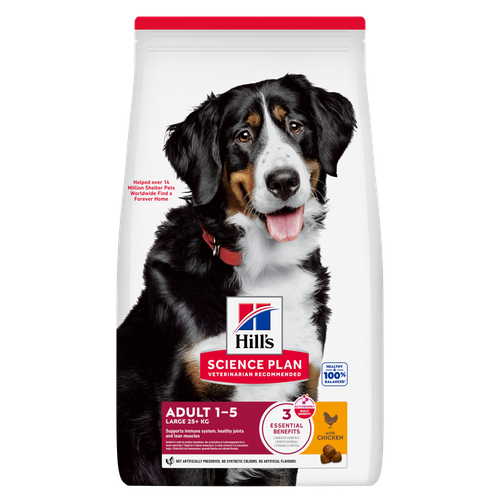
Large Breed Adult Dog Food
Hill's Science Plan Large Breed Adult Dog Food with Chicken is a complete pet food, specially formulated with ActivBiome+ Multi-Benefit Technology.
This food is specifically designed to fuel the energy needs of large breed dogs during the prime of their life.
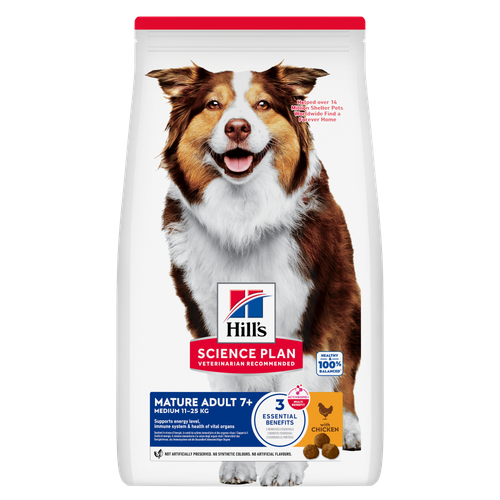
Medium Mature Adult Dog Food
Hill's Science Plan Medium Breed Mature Adult Dog Food with Chicken is a complete pet food, specially formulated with ActivBiome+ Multi-Benefit Technology.
This food is specifically designed for the needs of ageing medium breed dogs.
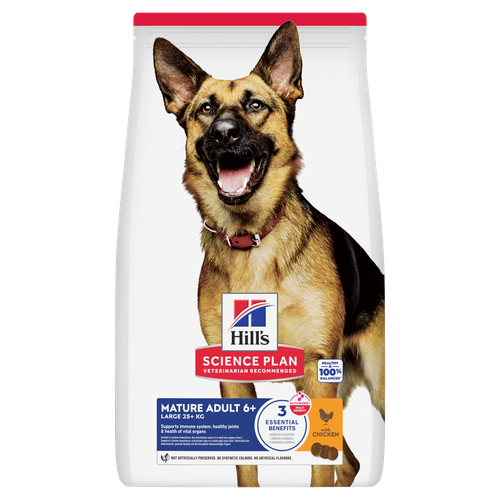
Large Breed Mature Adult Dog Food
Hill's Science Plan Large Breed Mature Adult Dog Food with Chicken is a complete pet food, specially formulated with ActivBiome+ Multi-Benefit Technology.
This food is specifically formulated with ingredients to support healthy ageing in large breed dogs.
Related articles

Crystals And Stones In Dog And Cat Urine
Learn about the causes and treatments for crystals in dog and cat urine to maintain your pet's health. For expert urinary care advice, visit Hill's Pet UK.

How to Take Your Dog's Or Cat's Temperature
Learning how to take a dog's temperature (or how to take a cat's temperature) is clear evidence of a pet parent's commitment to their health.
Vomiting and diarrhoea in dogs and cats - should you worry and what can you do about it?

How to Care for Terminally Ill Pets
Terminal illness is one of the toughest things pet parents face. Learn how to handle caring for a terminally ill pet with end of life care.
Put your pet on a diet without them knowing
Our low calorie formula helps you control your pet's weight. It's packed with high-quality protein for building lean muscles, and made with purposeful ingredients for a flavourful, nutritious meal. Clinically proven antioxidants, Vitamin C+E, help promote a healthy immune system.
Put your pet on a diet without them knowing
Our low calorie formula helps you control your pet's weight. It's packed with high-quality protein for building lean muscles, and made with purposeful ingredients for a flavourful, nutritious meal. Clinically proven antioxidants, Vitamin C+E, help promote a healthy immune system.