


Throughout your dog’s life, regular veterinary visits are essential to keep them healthy and ensure you have as much time as possible to spend with your furry best friend. However, many pet parents feel uneasy about vet visits because of the stress their dog may experience. Your dog may happily leap into the car expecting a walk and then hesitate to jump out when they realise where they are!
Keeping dogs calm and happy at the vet’s is a team sport, and there are lots of things you can do as a pet parent to help. In this article, we’ll look at all the ways you can help your dog to associate vet visits with good things.
Familiarity creates desensitisation, so visit your vet often
As with all things in pet care, prevention is better than cure. If you can stop your dog from having negative associations with the vet at an early age, you will be hugely ahead of the game. Even if you’ve adopted an older dog, there are still things you can do to help them feel relaxed. If you have a puppy, now’s the time to start!
Choose your vet
- You ideally want a veterinary clinic that is open to people popping in just to help your dog get used to the clinic. Hopefully, this shouldn’t be hard to find! It’s useful to take your dog to the vet’s regularly when nothing is going to happen. Pop in for a chat with the receptionist. Pop in to weigh your dog. Regular weight checks are always a good idea. Pop in and just sit in the waiting room for a while, and then go for a nice walk. You or a clinic staff member giving your dog a nice treat while you are there can start to make these visits to the clinic a positive experience.
- Longer consult slots. Vets that have longer consulting slots have more time to let your dog settle in the consulting room, explore and get treats before the exam starts.
- Gentle handling and pain relief. Gentle handling techniques and minimal use of restraints should always be used where possible. If your dog is going to have a surgical procedure, ask your vet about the pain relief they will be providing post-op and how long it will be necessary.
Stay relaxed yourself
Dogs are incredibly good at reading their owners. If you are tense and worried, you will transmit that to your dog. Stay relaxed and calm and it will help enormously.


Tasty Tips
If your dog is stressed at the vet clinic
If you have a dog that’s had a bad experience and is already anxious about vet visits, all is not lost. Do use the advice above to help desensitise them. Start with just walking past the clinic, then pop in really briefly and gradually extend the time you spend there. Stay relaxed, and when your dog is relaxed, offer treats and praise. Always take them for a walk afterwards to reinforce the positive experience.
Choose quiet times and book in advance
Some dogs are anxious at the vet’s because of all the unfamiliar people and animals, especially dogs. Many dogs feel more anxious and defensive when they are on a lead. If you go at the quietest time of day, both of you can feel more relaxed. Ask the clinic if they have specific accommodations for anxious dogs, such as a separate room where you can wait.
Travel and arrival
- Your dog may be really relaxed in the car, but lots of dogs aren’t. Keeping travel time to a minimum is ideal. If you can find a clinic that is both a reasonable distance away and a place where your dog feels comfortable, that’s a great start.
- If possible, go for a nice walk before your appointment, so your dog is happy and not hyped up. Don’t exhaust them – your vet may want to take a resting heart rate. Of course, if your dog is ill or lame, a walk beforehand may not be possible.
- Arrive early if you can to give your dog time to settle down and get used to the sights and smells of the clinic.
Use familiar items and rewards at the vets
Taking a favourite blanket or toys may make your dog feel more comfortable at the clinic. Always reward your dog either with praise or a nice treat when they are settled and calm and after they have been examined. Ask your vet if you can give treats during the exam. This is often possible. Don’t force it. If your dog is very anxious, they may not want to eat.
Recognise and address your dog’s stress
Dogs show many subtle signs of stress that can be easily overlooked. Watch for signs such as:
- Panting
- Yawning
- Avoiding eye contact
- Lip licking
- Avoidance/hiding
- Cowering
- Paw lifting
It’s important to offer reassurance but avoid rewarding anxious behaviour. Don’t let people in the waiting room pet or approach your dog if they are nervous or hiding under the chair, as this will just cause more fear.
Communicate with your vet about your dog’s stress and anxiety
Dogs that are anxious at the vet’s are the most likely to be aggressive due to fear and lack of control. It’s in everyone’s best interest to be open and honest about this, so discuss with your vet how they can adapt their handling to keep your dog as calm as possible. If your dog is very anxious, ask if there are medications you can give before the visit to help your dog feel more relaxed.
Please don’t be angry if your vet feels it necessary to muzzle your dog. This is for everyone’s protection. Lots of owners, as well as vets, get bitten by frightened dogs.
Aftercare and desensitisation
After your visit, go for another nice walk if possible, even if it’s only short. This will help to form a positive association with the visit.
Desensitisation to being handled
As mentioned previously, the more often you can go to your vet when nothing is going to happen, the more likely it is that you can desensitise your dog to their negative experiences. If you can get your dog used to the type of handling they might experience at the vet, such as looking in their mouth and ears and being gently touched all over, it can really help. Doing this at home with rewards for good behaviour can make a world of difference when you get to the clinic.
Seek specialist help if necessary
If vet visits are a nightmare for you and your dog, seek specialist behavioural advice from someone that your vet recommends. You can also ask your vet if home visits are an option. For some dogs, this can help a lot. Be prepared, though that this may be significantly more expensive due to the time and travel involved on the vet’s side.
In summary…
Visits to the vet are a cause of stress for many pet parents as well as their dogs, but this doesn't need to be the case. Desensitisation methods can make a big difference. Avoiding vet visits until they are absolutely necessary may seem wise for an anxious dog, but going as often as possible is the way forward. Speak to your vet about your concerns and see what they can do to accommodate your dog’s needs. And remember, stay relaxed, calm and happy yourself, so your dog’s stress isn’t exacerbated by yours.
Frequently asked questions about taking your dog’s vet visit
How often should I bring my dog to the vet?
All adult dogs should be examined at least once a year, and more frequently as they age. However, it’s a good idea to take your dog to the vet frequently just to be weighed or have a treat and some praise. The more times your dog goes to the vet’s without anything bad happening, the more relaxed they will be when they need to go.
How can I calm my dog for a vet visit?
- Keep travel times to a minimum
- Book ahead and ask when the quietest times are
- Go for a nice walk beforehand if possible
- Arrive early to give your dog time to settle
- Take familiar items like toys and blankets
- If your dog is very anxious, ask your vet about medications that may help
Can I sedate my dog for a vet visit?
If your dog is severely anxious at the vet’s or is aggressive, ask your vet about sedation. This isn’t always possible, depending on the reason for your visit, as sedation may affect a physical exam. Ask your vet about the possibility of home visits, as your dog may be more relaxed in this setting.
How can I help my dog be less stressed at the vet’s?
- Pop in to your clinic regularly for no reason and reward your dog with praise and treats.
- Gradually get your dog used to the type of handling they might receive at the vet’s. Look in their ears and mouth a couple of times a week. Get them used to being gently stroked all over. Always do this when they are relaxed and happy. Always reward them if they stay calm and relaxed. Never force it.
Reviewed by Becky Mullis, DVM, DACVIM (Nutrition), and Dr Emma Milne BVSc DipECAWBM(Hon) FRCVS.

Related products
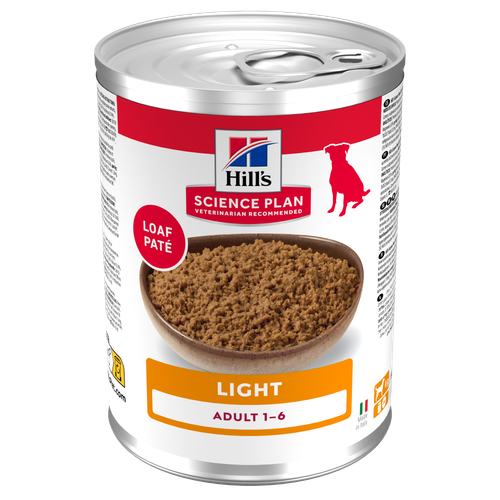
Adult Light Dog Food
Hill's Science Plan Light Adult Wet Dog Food is a complete premium pet food for adult dogs that tend to gain weight easily. This deliciously smooth loaf is formulated to deliver the appropriate amount of energy to support weight maintenance in adult dogs.
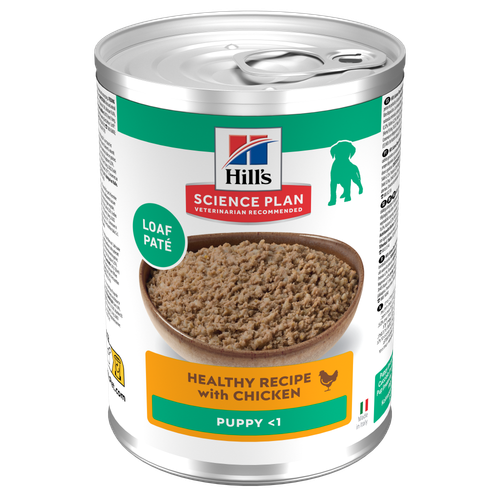
Puppy Food
Hill's Science Plan Puppy Wet Dog Food with Chicken is a complete premium pet food for growing puppies from weaning until 1 year old and for pregnant and nursing dogs. This deliciously smooth minced chicken loaf is precisely balanced to deliver the appropriate amount of energy to support the needs of growing puppies.
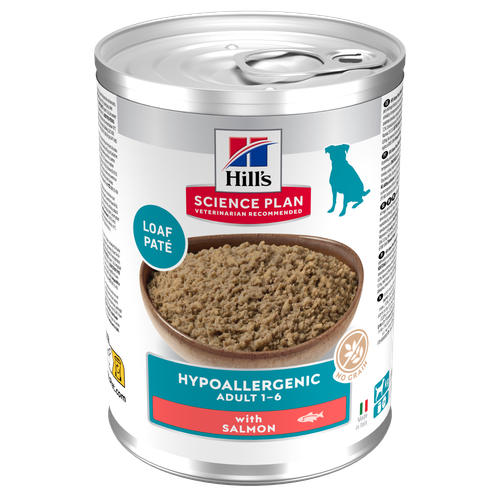
Hypoallergenic Adult Dog Food
Hill's Science Plan Hypoallergenic Adult Wet Dog Food with Salmon is a complete premium pet food for all adult dogs from 1 year. This savoury tinned loaf is specially formulated for dogs with delicate skin and stomachs. It features a single novel animal protein source and is grain-free.
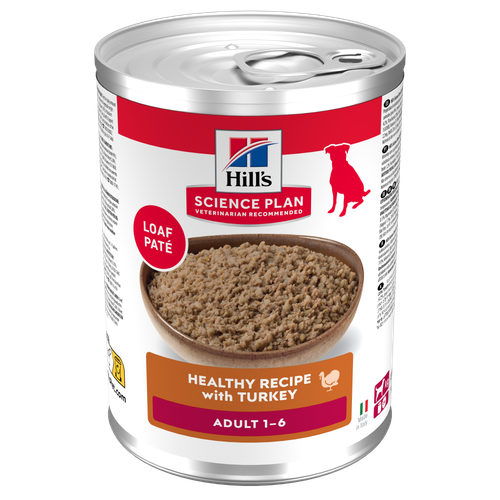
Adult Dog Food
Hill's Science Plan Adult Wet Dog Food with Turkey is a complete premium pet food for adult dogs from 1 year. This deliciously smooth minced turkey loaf is formulated to deliver the appropriate amount of energy to support the needs of adult dogs.
Related articles

How to Find an Amazing Vet for Dogs You Love
Is your veterinarian providing the best care possible for the health of your dog? This article is designed to provide pet owners with the process and criteria necessary to select a vet.

Keeping Your Puppy Healthy
You're the best person to keep your puppy bouncing with health and vitality.
How To Tell If Your Dog Is Sick: Top Signs To Watch For
Worried your dog might be sick? Learn how to recognise the top signs and symptoms of common illnesses. For expert health advice, visit Hill's Pet UK.

Vaccinating your puppy against diseases
Vaccinating your puppy can help to protect him from several major diseases.

Put your dog on a diet without them knowing
Our low calorie formula helps you control your dog's weight. It's packed with high-quality protein for building lean muscles, and made with purposeful ingredients for a flavourful, nutritious meal. Clinically proven antioxidants, Vitamin C+E, help promote a healthy immune system.