


Stomach upset in dogs is pretty common, and virtually every pet parent will have encountered digestive upsets of one kind or another with their dog, even if just the occasional issue. While many digestive upsets resolve on their own, some can be more serious, and knowing the difference is important. In this article, we’ll look at why stomach upset is common in dogs, what might be the cause, what you can do at home, and when you should see your vet.
What are digestive disorders in dogs and why are they common?
For every animal – cats, dogs and humans alike – digesting food and absorbing nutrients is vital to overall health and wellbeing. The term 'digestive disorder' refers to any condition that prevents digestion from happening properly, or which alters the rate at which food passes through the digestive tract, in either direction!
Dogs are particularly prone to digestive upsets because they are very good at eating things they shouldn’t! Dogs will eat almost anything, including vomit and poo, whether it be their own or that of other animals. Add to this any food dogs may steal from worktops, bins, unguarded coffee tables and children, and you can see why sometimes their stomachs might be in turmoil.
What are the signs of digestive problems in dogs?
The short answer is basically any deviation from normal eating and production of formed, normal faeces. The most common signs are:
- Vomiting
- Diarrhoea – this could be anything from soft stools to explosive squirting. You might see odd colour changes, blood or mucus, straining, or increased frequency and possibly house soiling.
More subtle signs include:
- Weight loss
- Loss of appetite
- Borborygmus – this is the gurgling sound you hear when your ‘tummy rumbles’. It can be due to normal things like hunger, but it can also be a sign of intestines that are not very happy
- Lethargy
- Flatulence or passing a lot of wind
Common causes of canine digestive upsets
There are lots of things that can cause a stomach upset in dogs but the most common ones are:
- Dietary indiscretion. Characterised by eating unusual items, such as rubbish, foreign objects, food or faeces, this is by far the most common cause of acute digestive issues in dogs. As we said at the beginning, dogs will eat just about anything, and it doesn’t always agree with them.
- Adverse food reactions (AFRs) are allergies and intolerances.
- Parasites.
- Bacterial or viral infections – some of these can be fatal, so always keep your dog’s vaccines up to date.
- Gastric dilatation and volvulus (also referred to as ‘bloat’).
- Toxins.
- Pancreatitis.
- Foreign bodies.
Beware of festivities!
Some of the most dangerous times for your dog are when you are celebrating. Birthdays and any of the usual festive periods like Christmas or Easter can be especially dangerous. This is partly because the house is often chaotic, so your dog might be less supervised than usual, and partly because some of the most dangerous foods for dogs are in the house at these times. Lots of human food is toxic to dogs, and some of the most common ones are:
- Chocolate. The darker the chocolate, the more dangerous it is.
- Onions and garlic.
- Grapes and raisins.
- Artificial sweeteners such as xylitol.
- Alcohol.
- Macadamia nuts.
- Avocado.
As you can see, lots of our festive foods are very problematic! Try to be extra vigilant in festive periods and keep these foods away from your dog. Keep chocolate off the tree or high up and out of reach.
When to see a vet if your dog has stomach issues
You’ve probably experienced an upset stomach yourself, and you probably didn’t need to see a doctor. The same can be true for mild cases of stomach upset in dogs, especially if they’ve eaten something that is not toxic and simply does not agree with them. If your dog is fairly active and bright but has some mild vomiting and diarrhoea, you can probably give it a day or two and see if it settles. When in doubt, consult your vet. You can also ask your vet for some highly digestible gastrointestinal recovery food to feed your dog for a few days and then gradually reintroduce their normal food if all is well. Don’t withhold food unless your dog is actively vomiting. Nutrition is very important for gut healing.
You do need to see a vet, however, if any of the following applies:
- Your dog has been vomiting for more than 24 hours.
- Your dog is lethargic, depressed or not eating.
- Your dog is dehydrated. A good way to know this is the ‘skin tent test’. Gently pull the skin over your dog’s shoulders up in the air and let go of it. It should snap back into position immediately. If it’s slow to return, your dog is dehydrated. If it stays up, your dog is dangerously in need of intravenous fluids and veterinary help.
- You see blood in their vomit or faeces. Also look out for vomit that looks like ‘coffee grounds’ or dark or black faeces. This can be a sign of intestinal bleeding.
- Your dog is trying to vomit but can’t. This can be a sign of a twisted gut and is a surgical emergency.
- You know your dog has eaten foreign material (other than food) or something toxic.
- Your dog seems to be in pain – which may manifest as hunching, whining, reluctance to move or adopting the play bow position for no reason.
How are digestive upsets treated in dogs?
This will depend on the underlying cause. Your dog may need medication, such as drugs to soothe the stomach lining, antacids, antiemetics (drugs to stop vomiting), anti-inflammatories, or treatment for parasites. In some cases, your vet may need to do further tests, such as blood work, imaging or even biopsies in some cases. One thing is for sure, though – nutrition is really important in treating canine stomach issues. In many cases, a change in food is the best approach and no long-term medication is needed.
For acute issues, your vet will probably offer you the recovery food we mentioned before. These foods are highly digestible, with high-quality protein and carbohydrates and added omega fatty acids and antioxidants. They also have good prebiotic fibre sources to help nourish the ‘good’ bacteria and restore important microbes in the gut microbiome. Your dog may just need this for a few days or weeks until their gut is fully recovered.
Some dogs that are prone to stomach issues do well on these foods longer-term. If your dog has a food sensitivity, they may need a food elimination trial and a therapeutic food for food allergies or intolerances. Some dogs with recurrent bowel issues may do best on a higher-fibre diet that has much higher levels of prebiotic fibre to keep their stool formed and normal.
Sometimes, it can take a little trial and error to get your dog’s digestive tract back in tiptop shape, but the sooner you seek veterinary advice, the better. Your dog will feel better more quickly and the damage to the gut will be as minimal as possible. Upset stomachs are a fact of life for most of us mammals, including dogs and humans, but with prompt intervention, great nutrition and some tender loving care, the vast majority will soon be a thing of the past.
Dog stomach problem FAQs
What causes stomach issues in dogs?
The most common cause is eating something that has disagreed with them, such as a carcass or other food from the bin or something rotten. Other causes include food sensitivities, poisoning, parasites and infections. Always keep your dog’s vaccines up to date.
Can digestive problems in dogs be serious?
Yes. Dogs can become dehydrated and ill quickly if vomiting is unchecked. Twisted stomachs, poisonings and intestinal obstructions are also emergencies.
What foods are best for dogs with sensitive stomachs?
This depends on the cause of the sensitive stomach. If your dog has an adverse food reaction, they may need a hydrolysed or novel protein diet. They may simply need a diet that is highly digestible and high quality to keep the gut microbiome healthy.
* A Multi-centre Feeding Study of the Influence of Dietary Intervention in Dogs with Gastrointestinal Disorders. Hill's Pet Nutrition, Inc. Pet Nutrition Centre, 2003.
Written by Emma Milne, BVSc FRCVS, and reviewed by Karen Shenoy, DVM.

Related products
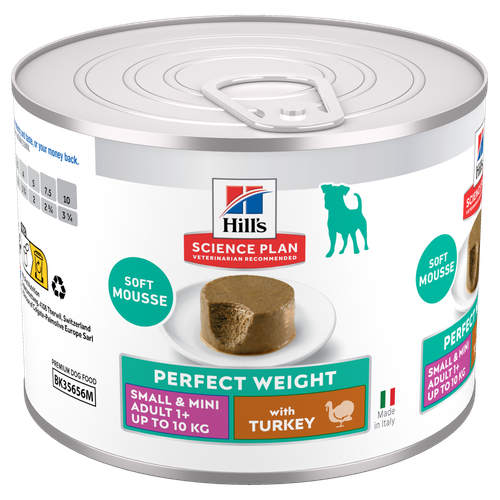
Perfect Weight Small & Mini Adult Dog Food
Hill's Science Plan Adult Small & Mini Dog Food with Turkey is a complete premium pet food for adult small dogs from 1 year old that are prone to weight gain or slightly overweight. This deliciously smooth mousse is formulated to deliver the appropriate amount of energy to support weight maintenance in adult dogs.
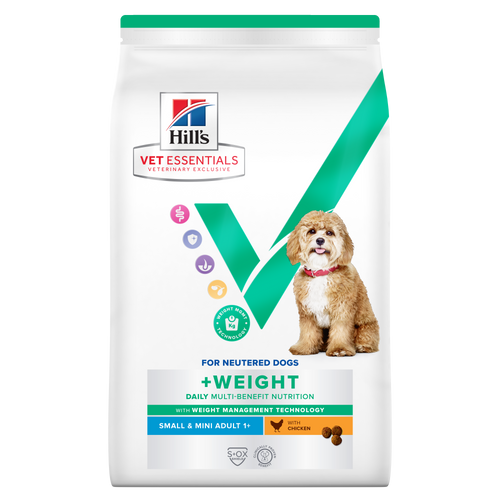
Multi-Benefit + Weight Adult 1+ Small & Mini Dry Dog Food
Chicken recipe dry dog food for small breed dogs after neutering. With weight-management technology for optimal weight, fibre blend for healthy digestion and controlled minerals for urinary health.
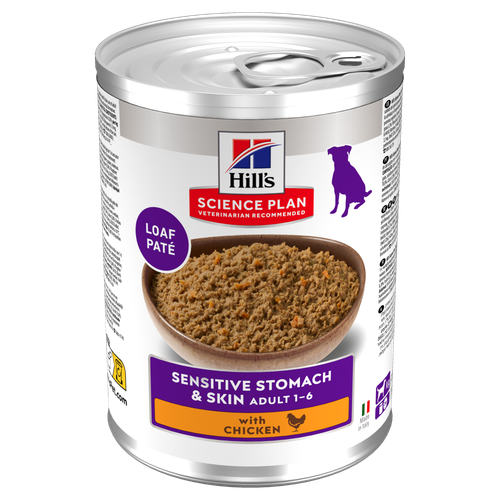
Sensitive Stomach & Skin Dog Food
Hill's Science Plan Sensitive Stomach & Skin Adult Wet Dog Food with Chicken is a complete premium dog food for adult dogs from 1 year. This savoury tinned loaf is enriched with ingredients that support digestive health & skin care.
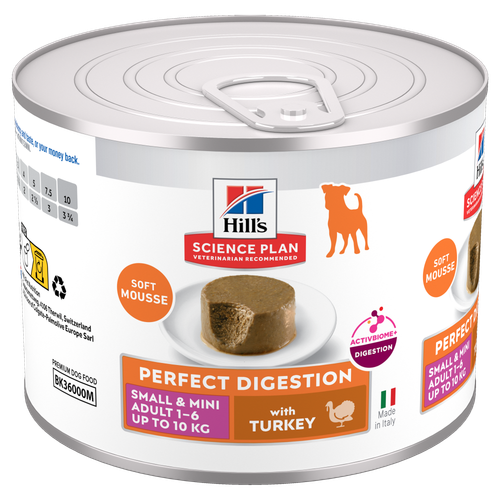
Perfect Digestion Small & Mini Adult Dog Food
Hill's Science Plan Perfect Digestion Small & Mini Adult Dog Food with Turkey is a complete premium pet food for small breed adult dogs aged 1–6 years. This deliciously smooth mousse is precisely balanced to deliver the appropriate amount of energy and to support digestive health in adult, small breed dogs.
Related articles
Caring for a Senior Dog: Physical and Mental Changes to Watch For
Learn the physical and mental signs of aging in dogs and how to keep your senior pet happy and healthy
Is Senior Dog Food Necessary? Understanding the Difference Between Senior, Mature and Adult Dog Foods
Learn why senior dog food is necessary, how it differs from adult formulas, and when to switch to support your dog’s ageing health and vitality.

Senior Dogs: 10 Most Common Health Issues
Learn about the most common health problems in senior dogs, such as hearing & vision loss, joint problems and dementia, and treatment options.
How to Manage IBD in Dogs
Learn if your dog may be experiencing symptoms of IBD, why it's different from IBS in people, and how your vet can help manage and treat this condition.

Put your dog on a diet without them knowing
Our low calorie formula helps you control your dog's weight. It's packed with high-quality protein for building lean muscles, and made with purposeful ingredients for a flavourful, nutritious meal. Clinically proven antioxidants, Vitamin C+E, help promote a healthy immune system.
Put your dog on a diet without them knowing
Our low calorie formula helps you control your dog's weight. It's packed with high-quality protein for building lean muscles, and made with purposeful ingredients for a flavourful, nutritious meal. Clinically proven antioxidants, Vitamin C+E, help promote a healthy immune system.