


No pet parent likes to hear that sound: the hacking noise from the other room that tells you that you’re going to have a mess to clean up. When your cat starts gagging, the first thought that might go through your head is: "Oh no, what have they got themselves into now?" Cat vomiting, also known as puking, being sick or throwing up, is one of the most common concerns for pet parents.
There are many reasons why your cat might vomit, some of them more serious than others. For example, occasional vomiting may simply be down to them having scavenged something or eaten a mouse, but regular vomiting might indicate an underlying health issue. Whether you're a new or seasoned cat parent, it's important to know the reasons your cat may be vomiting and when it warrants a visit to the vet.

Common reasons for cat vomiting
The most common reasons your cat might be vomiting are:
-
Hairballs
-
Dietary indiscretion (eating something they shouldn’t have!)
-
A food allergy or intolerance
-
Inflammatory bowel disease
-
Infection
-
Foreign body in the intestines
-
An underlying disease, such as chronic kidney disease
-
Cancer
- Parasites
Let’s take a closer look at these.
Hairballs
Cats are fastidious groomers and spend hours a day tending to their coats. This means that they inevitably ingest fur. Normally this passes through the intestines without any issues and is passed in the faeces. Hairballs occur when, as the name suggests, excessive hair becomes clumped in the stomach and is vomited up. You’ll quite clearly see a clump of hair, often with mucus and fluid of various colours. Lovely!
Occasional vomiting of hairballs is nothing to worry about, but if it is frequent or distressing to your cat it needs looking into. If you have a long-haired cat, your vet may recommend food with higher fibre, which helps trap hair in the gut and drag it through the intestines. Extra grooming from you will also help.
Sometimes hairballs may be due to excessive grooming, which may be caused by stress, skin disease, allergies and/or parasites. If this is the case, your vet will recommend ways to address the cause, not necessarily the hairballs.
Dietary indiscretion
Lots of animals take the opportunity to steal tasty things that they find. If your cat raids a bin or steals some human food, they might have a one-off episode of vomiting. The same goes for eating wildlife. Some cats never have issues, but others will be sick if they eat all or part of their prey. Normally, these issues resolve on their own within a day.
Food allergy or intolerance
Some cats can become allergic or intolerant to something in their food. Allergies are often due to certain proteins, such as chicken, fish or dairy products. Intolerances may be due to anything.
Inflammatory bowel disease
There are lots of different types and causes of inflammatory bowel disease in cats and, depending on the cause, your vet may recommend various options for treatment. Inflammatory bowel disease often comes with liver and pancreatic changes in cats, a condition called triaditis, because three organs are inflamed.
Infection
Just like food poisoning in humans, cats can get bacterial infections that cause vomiting and diarrhoea, especially if they eat something that’s off. There are also viral infections that can cause vomiting in cats, so keeping your cat’s vaccines up to date is important.
Foreign body in the intestines
The well-known adage “curiosity killed the cat” exists for a reason! Cats are very inquisitive animals and this sometimes gets them into trouble. Foreign bodies are more common in kittens and young adult cats because they are learning about the world and at their most mischievous and inquisitive. While dogs tend to get things like peach stones and socks stuck in their guts, cats usually have what are called linear foreign bodies, such as pieces of string or wool.
This is because cats love to play with things like balls of wool, and strings or thin nylon cords are often on fishing-style cat toys. Often, what happens is that your cat swallows while chewing on a piece of string, but the thread isn’t chewed off so they just keep swallowing more and more. These items don’t pass through the intestine well, and they cause the guts to bunch up like a concertina. Eventually, this causes blockage and can be life-threatening if left.
Underlying disease
Lots of diseases can cause vomiting and diarrhoea in cats. The most common one is kidney disease, which is very common in cats, especially older ones.
Cancer
Cancer of the intestines can cause vomiting, but so can tumours elsewhere. Tumours that spread may cause organ damage to the liver or pancreas, which can cause vomiting. Also, tumours that are large masses sitting near or pressing on the stomach could cause vomiting.
Parasites
Rarely, if a cat has a very high burden of worms, the sheer volume of worms in the stomach may cause vomiting. These are usually pretty obvious because you may see the worms in the vomit.
What to feed your vomiting cat and when to see the vet
If your cat vomits a few times in a day and then stops and is eating well, you can probably put it down to a one-off dietary indiscretion. However, if your cat throws up for more than 24 hours or vomits occasionally every few weeks or even months, you should consult your vet. Some people say that occasional vomiting is normal in cats, but unless this really is just the odd hairball, it isn’t normal and should be investigated. If your cat vomits and seems unwell, in pain or lethargic, then you should see your vet as soon as possible.
If your cat has thrown up a hairball, you can simply carry on feeding them as normal. If they’ve eaten something they shouldn’t have, then feeding them bland, digestible food for a day or two may help calm their stomach. Your vet may be able to give you a gentle, recovery food to feed your cat for a few days before reintroducing their normal food once everything is settled down.
If your cat eats very quickly and regurgitates or vomits food soon after eating, using puzzle feeders to slow them down can help and also mentally stimulate them. Cats have evolved to eat lots of small, frequent meals so splitting their ration into 5-6 meals a day can really help. Timer feeders can be really useful for this if you are out and about a lot.
Your vet may also recommend special therapeutic food for your cat if an allergy is suspected.
Diagnosis and treatment of vomiting in cats
Your vet will need to do a thorough physical exam of your cat to check for signs of physical things like foreign bodies and palpable tumours. They may also want to do blood tests, faecal tests and imaging to rule out underlying disease and other causes. The treatment will then depend on what the cause is. This may range from a simple diet change, to antibiotics and drugs to stop the vomiting, to surgery and so on. Your vet will explain everything and guide you through the options.
Ways to Prevent Cat Vomiting
Wouldn't all pet parents love to know the secret to eliminating vomiting? Or even a way to train your cat not to throw up on your bed or carpet? Unfortunately, there's no magic answer, but there are a few things you can try to ease your cleaning and your cat’s discomfort.
If your cat is vomiting hairballs, make sure to brush your cat regularly, keep them active, and feed them a properly balanced diet designed to help cats with hairballs.
To help keep your cat’s stomach happy, give them the type and amount of food recommended by your vet and have clean, fresh water available at all times. As we said, if your cat eats too quickly, you can try a puzzle feeder or dry food with large, crunchy pieces to slow them down. If your vet recommends medication or therapeutic foods, it's important to follow their instructions in order to keep your cat healthy. Be sure your cat sees the vet regularly and discuss your concerns.
Though cleaning up mess and bodily fluids is something all pet parents will experience at some point, following these tips and knowing when to seek the help of a professional can hopefully make these experiences as few and far between as possible.
Why is my cat vomiting? FAQs
What causes cats to vomit frequently?
There are lots of things that can cause vomiting in cats. These include hairballs, infections, foreign bodies and food allergies. Underlying diseases like kidney disease can also cause this.
When should I worry about my cat vomiting?
If your cat vomits for more than 24 hours or vomits every few weeks or months, you should have it investigated.
What should I feed a vomiting cat?
If your cat has brought up a hairball, you can just feed them as usual. If they have vomited and it wasn’t a hairball, and they are bright and well, you can feed them a bland, highly digestible food for a couple of days. Your vet will be able to provide this for you.
Is cat vomiting normal?
No. Vomiting a hairball once every few months may be nothing to worry about, but any other regular vomiting, no matter what the interval, is not normal and should be investigated. The sooner you find the cause, the better.
Reviewed by Dr. Karen Shenoy DVM and Dr. Emma Milne BVSc FRCVS

Related products
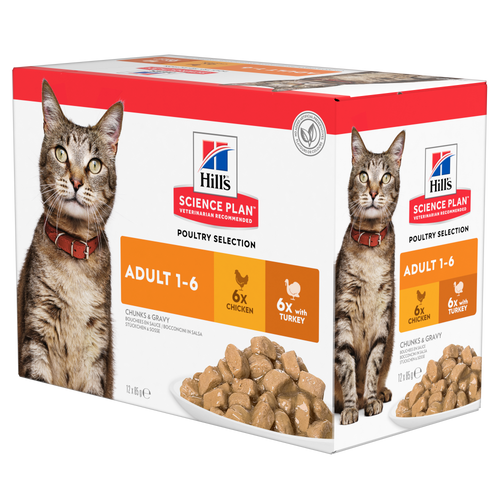
Adult Wet Cat Food with Chicken
Tender chunks in gravy for cats, with high-quality protein to maintain lean muscle. With vitamin E and omega-3s & -6s for healthy skin and balanced minerals to support healthy vital organs.
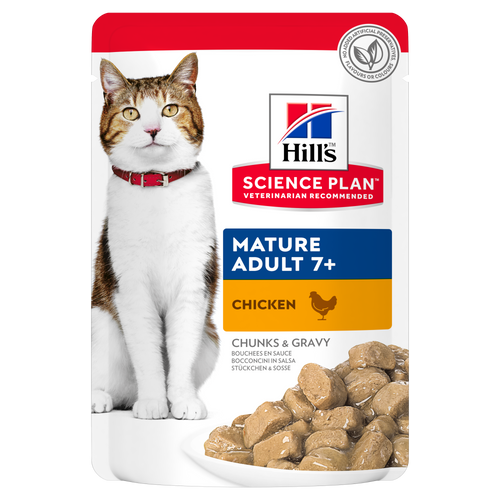
Mature Adult Wet Cat Food with Chicken
Hill's Science Plan Mature Adult Wet Cat Food Premium Chunks in Sauce with Chicken is a complete pet food for mature adult cats 7+ years old
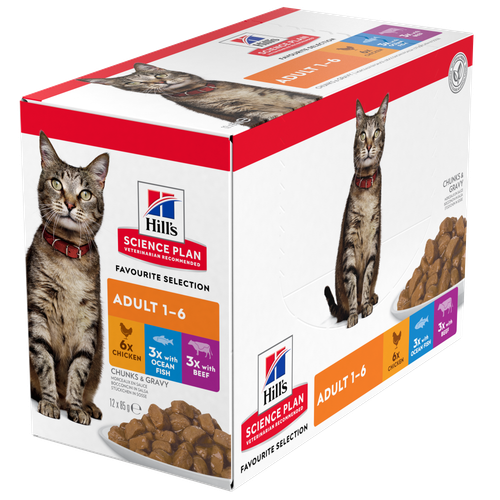
Adult Wet Cat Food with Chicken
Tender chunks in gravy for cats, with high-quality protein to maintain lean muscle. With vitamin E and omega-3s & -6s for healthy skin and balanced minerals to support healthy vital organs.
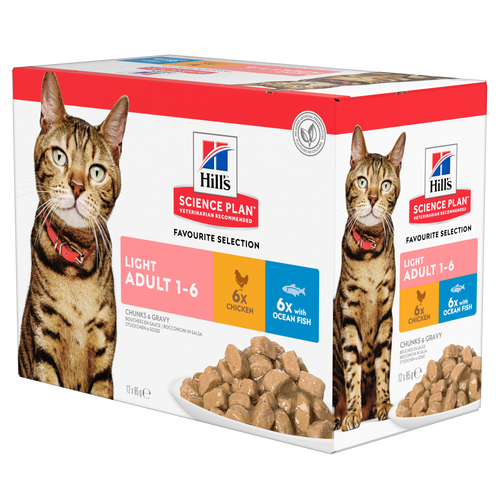
Light Adult Wet Cat Food Chicken
Tender chunks in gravy for cats, with L-carnitine and fewer calories for ideal weight management. Packed with high-quality protein, omega-6s, and vitamin E for shiny fur and healthy skin.
Related articles
Polycystic Kidney Disease in Cats: Symptoms and Care
Learn the symptoms, causes and treatment of polycystic kidney disease in cats. Find out how PKD is diagnosed and how it affects your cat’s quality of life.
FLUTD And Urinary Tract Infections in Cats
Learn about FLUTD and urinary tract infections in cats, including their symptoms, causes, and treatments. Visit Hill's Pet UK for expert cat care guidance.

Pancreatitis In Cats: Signs, Causes And Treatment
Learn about the signs, causes and treatments of pancreatitis in cats and discover the different types of disease. Discover expert advice at Hill's Pet UK.
Why is my Cat Peeing Blood?
Learn about the potential causes and treatments of your cat peeing blood and when to seek vestiary care. For expert care advice on cat health, visit Hill's Pet.
Put your cat on a diet without them knowing
Our low calorie formula helps you control your cat's weight. It's packed with high-quality protein for building lean muscles, and made with purposeful ingredients for a flavourful, nutritious meal. Clinically proven antioxidants, Vitamin C+E, help promote a healthy immune system.
Put your cat on a diet without them knowing
Our low calorie formula helps you control your cat's weight. It's packed with high-quality protein for building lean muscles, and made with purposeful ingredients for a flavourful, nutritious meal. Clinically proven antioxidants, Vitamin C+E, help promote a healthy immune system.