


A common complaint vets hear from cat parents is that their cat has a sensitive stomach and vomits — maybe once a week, maybe twice a week, but always on the carpet (or somewhere else that's hard to wash). Even though digestive upset in some cats can happen regularly, it is never normal, even if there is plant material or a hairball in the puddle on the floor.
There are a number of reasons why your cat may have a sensitive stomach. It is important to always have your veterinarian assess your cat to help identify the cause and develop an individualised plan to manage the problem. Today, we are just going to talk about the two possible reasons for cats to have a sensitive stomach -- food intolerance and food allergies. While these two reasons sound similar, they are not the same thing.

Food Intolerance
Food intolerance is a term that refers to an abnormal response to a food that is not caused by the immune system and can occur in cats of all ages. Causes of digestive upset due to food intolerance can include food poisoning, histamine in spoiled fish, lactose intolerance, and getting into the garbage and eating things the cat would not normally receive. Discussing the possible causes with your veterinarian is a good first step.
Some cats with food intolerance may need a change in food. One option your veterinarian may recommend for your kitty is to switch to a more easily digestible food.
Easily Digestible Foods
Digestibility refers to how easily a cat or dog can process and get essential nutrients from what they eat. The factors that most influence digestibility are the ingredients, ingredient quality and processing methods used in making a food. Foods for pets with sensitive stomachs are usually made with highly digestible ingredients but will also include a small amount of fibre to help support the pet’s gut microbiome. They are also complete and balanced to make sure that your cat receives all of the essential nutrients such as vitamins and minerals it needs to stay healthy.
Food Allergies
A food allergy is the result of an abnormal immune reaction to an ingested food. Luckily, food allergies are uncommon in cats. They can develop at any age but the pet must be repeatedly exposed to the offending allergen (for example, by eating it every day) to develop signs of a problem. Those signs can include vomiting, diarrhoea, flatulence, loss of appetite, itchy skin, hair loss or reddened skin. If your pet shows any of these signs, it’s time to visit your veterinarian.
Believe it or not, the Pet Food Manufacturers’ Association (PFMA) states that fish, beef and dairy are the most common causes of food allergies in cats. They point out that true food allergies are actually quite rare, and are often misunderstood in pets because they don’t always show up the same way as allergies would in humans. For that reason, if you suspect your cat has a food allergy, it’s best to have this investigated and confirmed by your vet.


Tasty Tips
What to Do About Food Allergies
If you or your vet suspect this condition, then a dietetic cat food may be part of the plan that your veterinarian recommends.
If you are thinking about heading down to the pet store and picking up some new food yourself instead of visiting the vet, wait a minute. This is a common pet parent mistake when dealing with a cat's sensitive stomach. Switching foods around will only confound the issue and make it harder for your vet to figure out the right way to treat your kitty's dietary woes.
The only way to accurately diagnose a food allergy is with a strict diet trial. Food trials should be conducted with dietetic foods specifically designed for this purpose. We will discuss what makes these foods so special in just a minute. Limited-ingredient wellness foods found at the pet store should not be used. Proper food trials will take about 10–12 weeks and your cat must eat the new food and nothing else — no treats, no scrambled eggs and no kitty toothpaste, unless it is cleared by your vet. If your cat has a true food allergy, then any sensitive stomach issues should clear up in 2 to 4 weeks. Symptoms like itchy skin will take longer to resolve. If you have been religious about your food trial but your cat is still having problems, then the issue is unlikely to be a food allergy and your veterinarian may recommend additional testing to assess other causes.

“Hypoallergenic,” Novel and Hydrolyzed Protein Foods: What Are They?
While there are no official definitions for hypoallergenic pet foods, you may see products labelled as "hypoallergenic" and people may use this term to describe a variety of different food types and ingredient combinations. Because “hypoallergenic” is not a legally defined term for pet food, products may not be suitable or effective for cats with food allergies.
There are two types of dietetic foods your veterinarian may recommend if a food allergy is suspected. The first type uses hydrolysed proteins, which means the protein has been broken down into such small pieces that your cat's immune system does not recognise the allergen. The second type is a food with a novel protein like duck or venison. These protein sources are likely new to your cat and therefore the immune system does not recognise them as a problem.

Related products
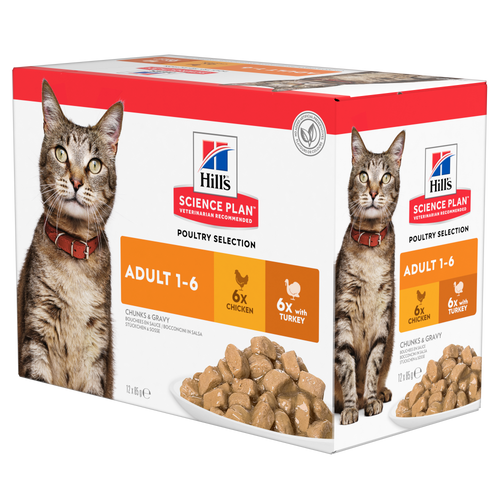
Adult Wet Cat Food with Chicken
Tender chunks in gravy for cats, with high-quality protein to maintain lean muscle. With vitamin E and omega-3s & -6s for healthy skin and balanced minerals to support healthy vital organs.
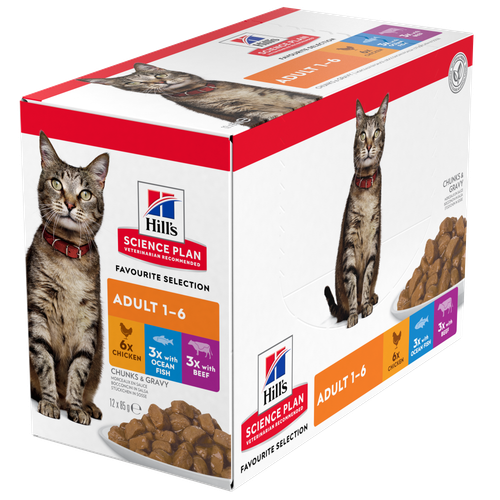
Adult Wet Cat Food with Chicken
Tender chunks in gravy for cats, with high-quality protein to maintain lean muscle. With vitamin E and omega-3s & -6s for healthy skin and balanced minerals to support healthy vital organs.
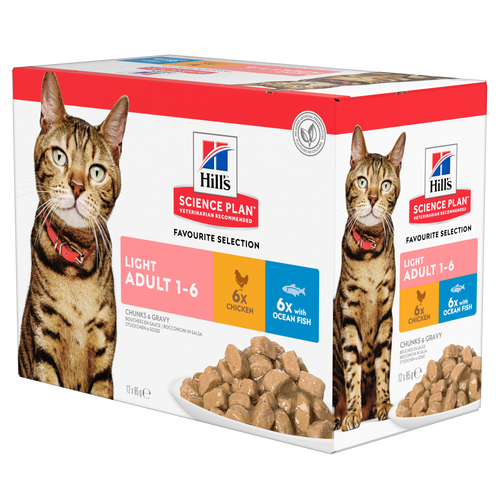
Light Adult Wet Cat Food Chicken
Tender chunks in gravy for cats, with L-carnitine and fewer calories for ideal weight management. Packed with high-quality protein, omega-6s, and vitamin E for shiny fur and healthy skin.
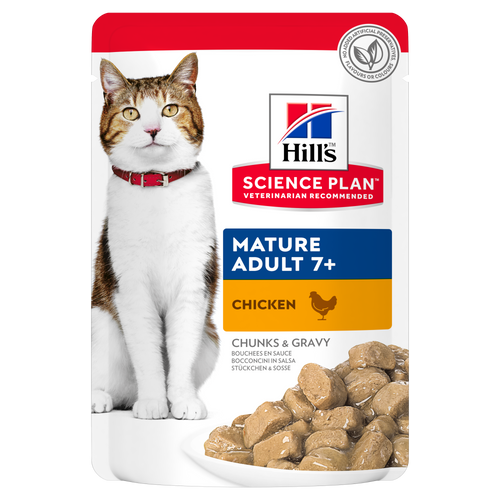
Mature Adult Wet Cat Food with Chicken
Hill's Science Plan Mature Adult Wet Cat Food Premium Chunks in Sauce with Chicken is a complete pet food for mature adult cats 7+ years old
Related articles

Cat Allergic Dermatitis: Causes & Treatments
Learn about the causes of cat dermatitis, how to spot the symptoms and the best treatment options. Visit Hill's Pet for detailed guidance and tips.
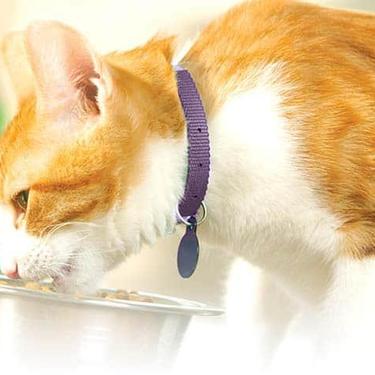
Feline Food Allergies & Intolerances: What You Need to Know
Is your cat sensitive to food or experiencing food allergies? Learn about cat food allergies including symptoms and treatments at Hill's Pet.
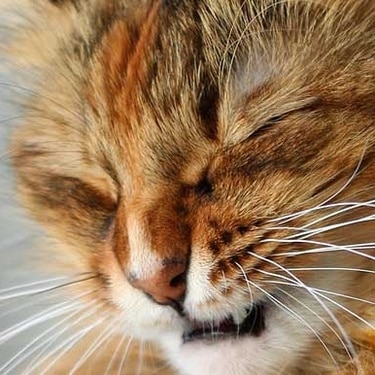
Cat Sneezing: Causes and Concerns
Curious why your cat keeps sneezing? Learn some potential causes of her sneezing fits, including possible irritants and ties to dental issues.
People with allergies and cats
Cats and people with allergies can happily live together in the same home. Learn more about cat allergies, and how to control them in your house.
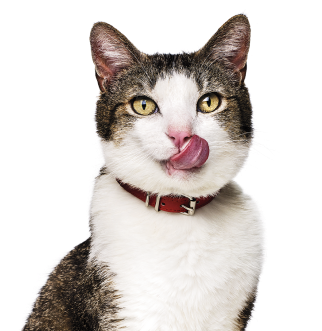
Put your cat on a diet without them knowing
Our low calorie formula helps you control your cat's weight. It's packed with high-quality protein for building lean muscles, and made with purposeful ingredients for a flavourful, nutritious meal. Clinically proven antioxidants, Vitamin C+E, help promote a healthy immune system.
Put your cat on a diet without them knowing
Our low calorie formula helps you control your cat's weight. It's packed with high-quality protein for building lean muscles, and made with purposeful ingredients for a flavourful, nutritious meal. Clinically proven antioxidants, Vitamin C+E, help promote a healthy immune system.