


When you think of cat lifestages, you might think that they consist of kittenhood, adulthood and senior age. You might also think that once a cat reaches adulthood, there isn't much difference between cat care in adults and younger cats. If that's the case, you may be surprised to learn that, according to International CatCare, cats go through six distinct lifestages, all of which have their own care and feeding requirements. Keep reading to learn which of the cat lifestages your cat falls into, and how you can provide your cat with the best care and nutrition for their age. Please keep in mind that some cats mature quicker than others, so it is important to check with your vet to make sure they’re getting the right nutrition as they grow.
Kitten Stage (Zero to Six Months)

A kitten is the cat equivalent of a human infant. Kittens grow and develop much faster than human beings. However, during their first six months of life, a kitten will transition fairly rapidly through stages that are similar to that of a human child — from newborn to toddler to child.
- Appearance. Kittens are easy to spot. They look exactly like what they are: tiny baby cats. They start out with shortened ears and a tail that grows to be more proportionate with their bodies as they mature.
- Behavior. Kittens are continually learning and discovering the world around them. In the beginning, they're helpless, relying completely on their mother and their human helpers for every aspect of their care and protection. As they grow and develop the skills to explore their environment, they are driven by curiosity. Between that, a lack of fear and an abundance of energy, kittens can be boisterous and prone to mischief.
- Care and training. Typically, by the time you adopt a kitten, they'll be fully weaned from their mother and eating solid food. They'll also be mobile and quite capable of climbing, jumping, playing and getting into things, and will have yet to learn that some objects and activities are not good for them. Kittens require a lot of patience and supervision. Before getting a kitten, you'll need to kitten-proof your home by blocking off any dangerous places that are small enough to climb or crawl into, putting cords and electrical cables out of reach, moving house plants where they can't get to them, and securing windows and cat flaps to prevent them from escaping.
In general, kittens should have received their first vaccinations by the time they're old enough to be adopted, but they may be ready for a booster shot around four months of age. Consult your veterinarian to discuss the best time to spay or neuter your kitten, and ask about their vaccination schedule when you take them for their first wellness exam. Your vet can also help determine the best methods for controlling fleas and other parasites.
Your new kitten will need to be litter box-trained. The concept is both instinctive and something they learn from their mother, so training is mostly a matter of getting them used to the box and gently reminding them to go there by placing them in it when it looks like they need to go. Otherwise, kitten training mainly focuses on socialising them to people and other animals, and establishing house rules and behavioural boundaries.
- Nutritional needs. Growing kittens need an appropriate amount of protein to support growth and development, without which their growth may be stunted or they may develop health problems. Kittens should be fed a high-quality kitten food that's specially formulated to support their rapidly growing bodies. Kittens can also be fed smaller meals more frequently throughout the day than you would feed an adult cat to keep up with their rapid metabolism. Just remember to adjust their feeding schedule as they grow to avoid any issues with becoming overweight.


Tasty Tips
Junior Cat Stage (Six Months to Two Years)
The junior life stage is equivalent to human adolescence. During this stage, a cat loses their babyish appearance as they reach physical and sexual maturity. They also outgrow their kitten personality and settle into their true temperament.
- Appearance. As they transition out of the kitten lifestage, a junior cat sometimes goes through a bit of an awkward stage as they experience growth spurts that leave them looking long and lanky.
- Behavior. This is a transitional cat lifestage, during which they should start settling down and growing out of rambunctious kitten behaviour and learning to behave more like an adult cat. By the time they reach about 18 months of age, they'll likely be much calmer.
- Care and training. The vaccination schedule established with your vet should be continued. As your kitty outgrows their kitten behaviour and settles into adulthood, they'll need less supervision. Training at this stage is generally about reinforcing rules and boundaries and continued socialisation.
- Nutritional needs. At one year of age, it will be time to transition from kitten food to adult cat food. Whether to start feeding adult kibble or canned (wet) food is really a matter of personal preference. Either way, a standard adult cat formula should meet all their nutritional needs. It's not uncommon for cats at this stage to put on extra weight after being spayed or neutered, so they'll need to be monitored to make sure they're not being overfed. Your veterinarian should walk you through what to expect after the procedure if you choose to have them neutered.
Prime Cat Stage (Three to Six Years)
At this stage, your cat is in the prime of their life — about the equivalent of a human in their twenties and thirties.
- Appearance. A cat at this stage should be at the peak of health and physical fitness. They're as long and tall as they're going to get, and should be filled out but not overweight, with a sleek body and a healthy, shiny coat.
- Behavior. By now your kitty should be fully settled into their natural adult temperament, which varies from cat to cat. Barring the development of any behaviour-altering illnesses or disorders, the personality your cat displays now is the personality they'll have for the rest of their life. They should be active and playful, with their routines and territory well-established.
- Care and training. Although they’re in peak health, caring for adult cats in their prime should still involve regular health checkups. By this point, your cat should be fully trained, although they may test boundaries from time to time and need to be gently reminded of the rules. If a cat hasn't outgrown problematic behaviour at this stage, you may need to consult a professional trainer for help to correct the behaviour, and check with your vet to make sure the undesirable behaviour doesn't have an underlying medical cause. If you choose to adopt an adult cat, you can still train them. Cats, unlike dogs, are more independent in nature, so it may seem difficult to train your cat, but it's definitely possible so just be patient with them.
Mature Cat Stage (Seven to Ten Years)
A mature cat is about the equivalent of a middle-aged human in their forties or fifties.

- Appearance. Outwardly, your mature cat might appear no different than a cat in their prime, especially if they remain active. Cats in this life stage are more prone to weight gain and obesity, however, so it's not unusual for them to put on weight, and their coat might begin to lose some of its sheen.
- Behavior. Although some cats remain active and playful well into their senior years, it's not unusual for a mature cat to slow down and become more sedentary.
- Care and training. As with a younger adult cat, you may need to reinforce training from time to time, but not often. Caring for cats at this mature stage is more involved, as they are not only at higher risk of obesity and obesity-related health problems, such as diabetes and high blood pressure, but their risk of cancer and other illnesses like kidney or thyroid disease. They should get regular checkups with the vet and also be closely monitored at home for signs of illness, such as weight loss, unusual vomiting or diarrhoea.
-
Nutritional needs. Mature cats require a range of nutrients to keep their body in tip-top shape. This includes vitamins C and E to boost their immune system. If they’re prone to packing on a few extra pounds, you may need to adjust their food to accommodate their activity level or choose a food designed for inactive cats.
Senior and Geriatric Cat Stage (Eleven Years and Older)
Cats in their advanced years are separated into two cat life stages. Those from eleven to fourteen years of age are considered senior cats, which is about the equivalent of a human in his sixties and seventies. Ages of fifteen years of age and older are considered geriatric cats.
- Appearance. Senior cats are likely to show signs of ageing, such as developing more white in their fur and losing lustre in their coats. These features may grow more pronounced as they continue to age.
- Behavior. Cats in these advanced cat lifestages are at increased risk to the conditions and illnesses mentioned in the mature stage, and are also prone to mobility issues caused by arthritis or other joint problems. This may cause your cat to slow down considerably, and it may also cause them to stop using the litter box, especially if it has high walls that are hard to climb over or is in a hard-to-reach location.
- Care and training. Caring for senior and geriatric cats can be a challenge. Your elderly cat should continue to receive regular health checkups and be closely monitored for health problems. At this stage, the main focus is to keep them comfortable and as healthy as possible for as long as possible. Be sure the litter box is easy for them to get in and out of and that their food and water are easy to get to. Many ageing cats go on to live long lives in their senior life stage and can be quite active, but their playtime may not last as long. The good news is that they may be more willing to cuddle, strengthening your bond even further.
- Nutritional needs. If your cat develops health problems, your vet may recommend a dietetic cat food as part of their management plan. Otherwise, a quality senior cat food formula should sufficiently meet all their nutritional needs. If your cat isn't drinking enough water, your vet may recommend switching to moist cat food in order to help them stay hydrated.
As you can see, cats go through a number of changes throughout their lives. By knowing the current lifestage of your cat, you'll be able to tailor their care for optimal health, nutrition and quality of life so you two can continue to experience the joys of life together.

Related products

Sensitive Stomach & Skin Adult Cat Food
Hill's Science Plan Adult Sensitive Stomach & Skin Cat Premium Chunks in Sauce with Turkey is a complete pet food for adult cats aged 1-6 years
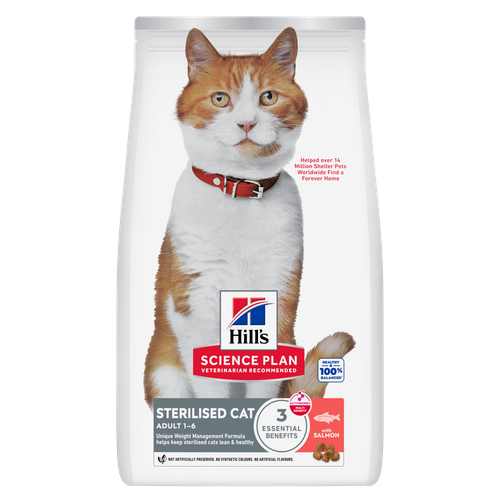
Sterilised Adult Cat Food
Hill's Science Plan Adult Sterilised Cat Dry Food with Salmon is specially formulated with ActivBiome+ Multi-Benefit Technology. It is a precisely balanced nutrition, tailored to meet the needs of sterilised cats, to help keep them lean & healthy.
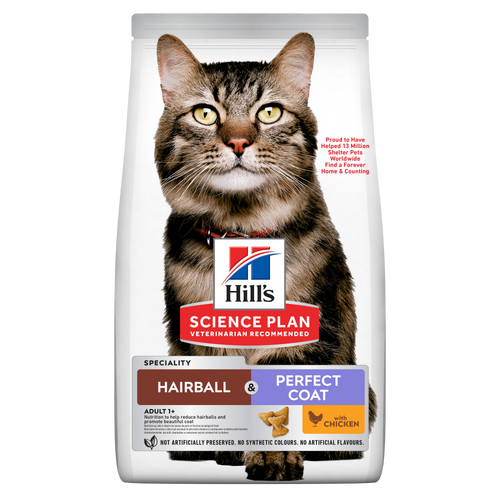
Hairball & Perfect Coat Adult Dry Cat Food with Chicken
Hill's Science Plan Hairball & Perfect Coat Adult Cat Food with Chicken is formulated to effectively help avoid hairball formation in adult cats while promoting a beautiful coat. Thanks to its mix of essential omega-6 fatty acids, this food benefits the cat's skin and fur, keeping them healthy and shiny. Our Advanced Fibre Technology helps reduce hairballs by naturally promoting their passage through the gut. This food is formulated with high-quality protein for a perfectly balanced, great-tasting recipe.
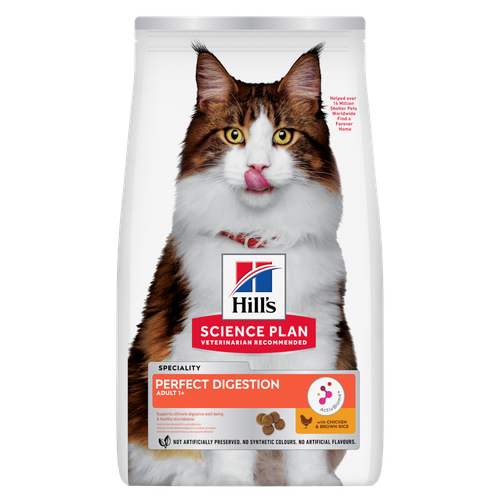
Perfect Digestion Adult Cat Food
Hill's Science Plan Perfect Digestion Cat Food with Chicken & Brown Rice nourishes your cat's unique microbiome and helps them reach their full potential.
Related articles
Enrichment for Senior Cats: Simple Ways to Keep Your Older Cat Happy and Active
Simple enrichment ideas for senior cats help maintain activity, provide mental stimulation, and support their happiness as they age.
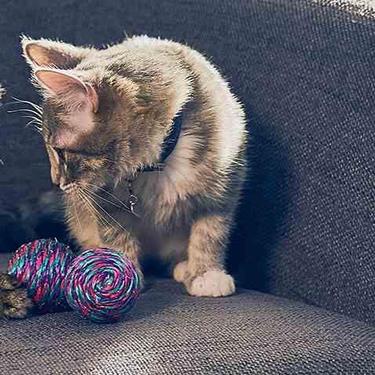
Why Exercise is Important to Keep Your Cat Healthy
Explore different ways to keep your indoor, outdoor, or fat kitten fit, and learn the effects of exercise on your kitten
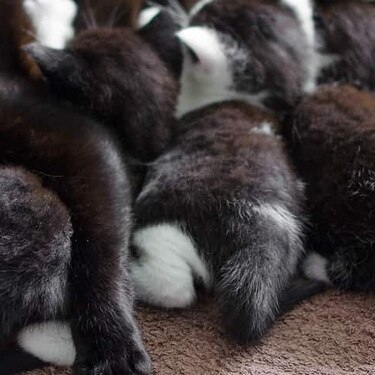
Kitten Age Chart: Track Your Kitten’s Development Week by Week
Follow our timeline for natural kitten development, including when to expect them to start walking & needing vaccines. See more kitten tips at Hill’s Pet UK.
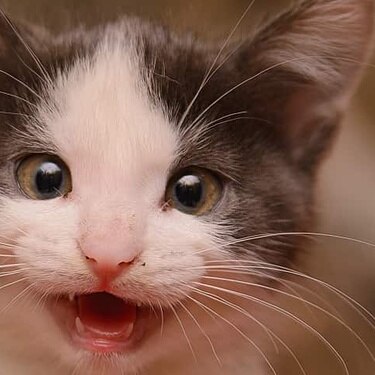
Kitten Teething: Age Timeline, Signs & How You Can Help
Learn the common age timeline of a teething kitten, signs that they are entering the teething phase and how you can help alleviate their discomfort.
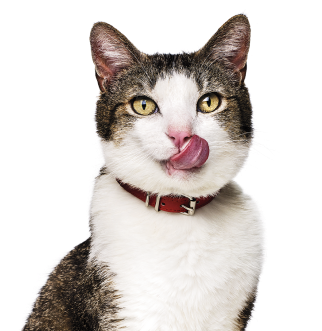
Put your cat on a diet without them knowing
Our low calorie formula helps you control your cat's weight. It's packed with high-quality protein for building lean muscles, and made with purposeful ingredients for a flavourful, nutritious meal. Clinically proven antioxidants, Vitamin C+E, help promote a healthy immune system.
Put your cat on a diet without them knowing
Our low calorie formula helps you control your cat's weight. It's packed with high-quality protein for building lean muscles, and made with purposeful ingredients for a flavourful, nutritious meal. Clinically proven antioxidants, Vitamin C+E, help promote a healthy immune system.