


Dogs eating ice cream: It just sounds right! Your dog loves yummy treats, so you're sure they’d love a lick of soft serve when it's hot outside. But, is it bad for them, or can dogs eat ice cream safely? The truth is, as adorable as it seems to share your dessert with your fluffy friend, it's best to keep your dog far away from any ice cream. Here are the two main reasons why ice cream can be bad for dogs:
1. Dogs Don't Digest Milk Well
Humans aren't the only species that are sensitive to dairy. Eating ice cream may cause your dog a stomach ache or worse, depending on how sensitive they are.
Ice cream can cause your dog gas, bloating, constipation, diarrhea or vomiting.
Remember, your dog can't voice their concerns to you, so while they might look OK on the outside, they could be experiencing some major digestive issues on the inside. No one wants their beloved pet to suffer in silence!
2. There's Too Much Sugar In Ice Cream
Sugar is also bad for your pooch. The sugar in ice cream can cause your dog to gain weight, and being overweight can lead to other health problems. You might think one scoop can't hurt, but think of how many calories your pet consumes in a day. What may feel like a small treat to you could contain more than a day's worth of calories for your dog.
3. Ice Cream Can Contain Ingredients Toxic to Dogs
Some ice creams include xylitol, a sweetener that's poisonous to dogs. Ice cream can also contain additional ingredients that have xylitol in them, like peanut butter and some candies.
Chocolate ice cream and chocolate toppings, like chocolate sauce and chocolate chips, present additional dangers since chocolate can be toxic for dogs, too. And rum raisin ice cream is off-limits because raisins are also poisonous for pups.
There are far too many health risks involved to feed your dog ice cream — even if it's just a lick.


Tasty Tips
Dog-Friendly Ice Cream Alternatives

Don't despair! If you're an ice cream aficionado, you can still share the joy of eating a frozen treat with your pet.
If you're interested in making homemade alternatives, there are a few options. Banana "ice cream" is a yummy, simple treat: Just freeze bananas and blend them. You can also add apples, pumpkin or dog-safe peanut butter to the mix. Another option is to freeze plain applesauce and pumpkin puree in silicone molds for a treat that's a little more like an ice pop than ice cream. If you're short on time, dogs actually love plain ice cubes too; they're great treats with no additional calories. Just make sure to not go overboard in case your dog might get brain freeze.
If you'd prefer to go the store-bought route, many supermarkets sell pet-safe ice cream in their frozen foods section. Most of these ice creams are just as safe as homemade treats, but it's always best to read the labels. Some ice creams for dogs contain yoghurt, which your dog might tolerate better than milk or cream since it has less lactose. It's usually safest to stick to non-dairy treats. Always make sure to talk to your veterinarian before giving anything to your dog.
Can dogs eat ice cream? They can't eat the same kind you eat, but there are plenty of frozen, pet-safe sweets they can enjoy. The idea of dogs eating ice cream might sound cute, but the sick pet that could result is no laughing matter. On the bright side, no ice cream for Fido means more ice cream for you!

Related products
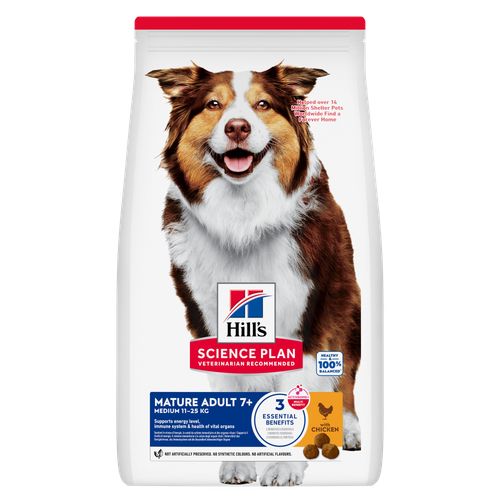
Medium Mature Adult Dog Food
Hill's Science Plan Medium Breed Mature Adult Dog Food with Chicken is a complete pet food, specially formulated with ActivBiome+ Multi-Benefit Technology.
This food is specifically designed for the needs of ageing medium breed dogs.
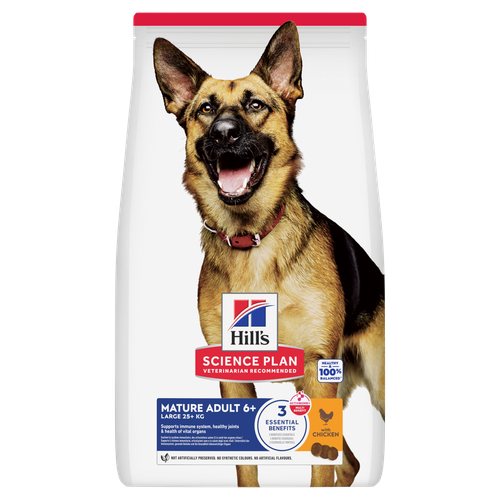
Large Breed Mature Adult Dog Food
Hill's Science Plan Large Breed Mature Adult Dog Food with Chicken is a complete pet food, specially formulated with ActivBiome+ Multi-Benefit Technology.
This food is specifically formulated with ingredients to support healthy ageing in large breed dogs.
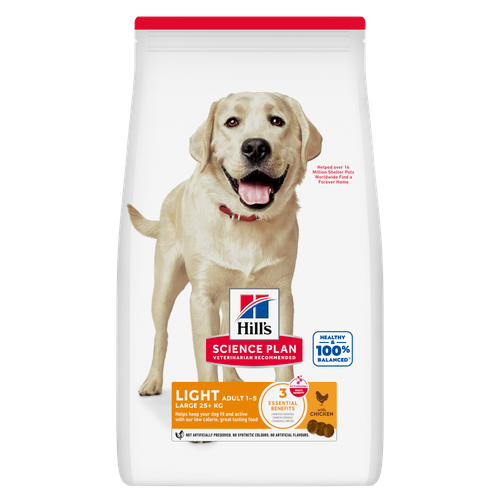
Light Large Breed Adult Dog Food
Hill's Science Plan Light Adult Large Dog Food with Chicken is a complete pet food, specially formulated with ActivBiome+ Multi-Benefit Technology.
Helps keep your dog fit and active with our low calorie, great-tasting food.
Precise nutrition for less active adult large breed dogs that require a low calorie food to help maintain a healthy weight & lifestyle.
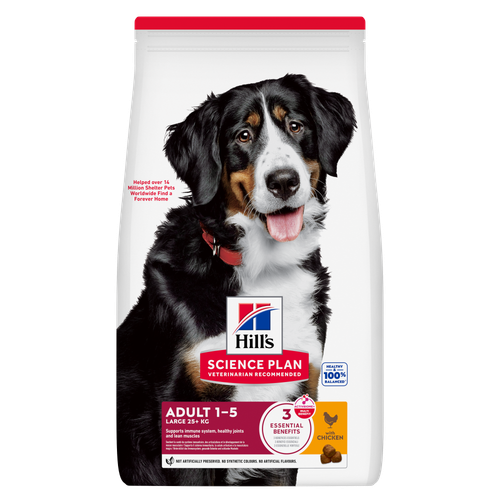
Large Breed Adult Dog Food
Hill's Science Plan Large Breed Adult Dog Food with Chicken is a complete pet food, specially formulated with ActivBiome+ Multi-Benefit Technology.
This food is specifically designed to fuel the energy needs of large breed dogs during the prime of their life.
Related articles

Dogs & Holiday Sweets: Which Are Bad & What To Do if a Dog Eats Them
If you suspect that your dog has eaten holiday sweets or candy, find out which common treats might be dangerous for him and what you should do next.

Dogs & Table Food: Why to Avoid Feeding Them Scraps
While feeding your dog table food or scraps might seem innocent, it can actually be harmful for them. Learn reasons to avoid feeding scraps to your pup.

Dangers of Raw Diets for Dogs
Learn about the potential health risks of a raw diet for dogs and why they aren't the best option for your pup or you.

Frozen & Fun Dog Treats for Hot Summer Days
Learn how to make frozen dog treat recipes that can help keep your pup cool in the summer heat, including which ingredients work best to keep him hydrated.

Put your dog on a diet without them knowing
Our low calorie formula helps you control your dog's weight. It's packed with high-quality protein for building lean muscles, and made with purposeful ingredients for a flavourful, nutritious meal. Clinically proven antioxidants, Vitamin C+E, help promote a healthy immune system.