


Seeing a dog vomit after eating is a common concern for pet parents. While sometimes this may not be a serious issue – perhaps your dog gobbled their breakfast down too fast – vomiting in dogs can be a sign of underlying medical issues or other serious problems. So how will you know? In this article, we will look at the common causes of dogs vomiting after eating, when you should be concerned and what you and your vet can do about it.
Vomiting vs. regurgitation
This may not seem important, but sometimes vets need to know if a dog is vomiting or regurgitating. Regurgitation is a passive process where food from the oesophagus pops back out, often without any warning, and almost always shortly after eating. This is usually caused by greedy eating but can also be due to underlying nerve issues, among other things. Regurgitation usually produces totally undigested food.
Vomiting, as most pet parents are aware, is much more spectacular. Vomiting is an active process that involves abdominal effort and a forced emptying of the stomach contents and sometimes the contents of the upper small intestine. Vomiting can happen straight after eating or hours later and, depending on the timing, may produce anything from undigested food to bile and fluid.
Common causes of a dog vomiting after eating
1. Transitioning to a new dog food too quickly
Sudden changes to your dog's food may result in gastrointestinal issues. Always introduce a new food over 5–7 days by gradually mixing increasing amounts of the new food in with the food your dog is used to. It’s always best to check with your vet prior to switching, and never start a veterinary diet without your vet’s say-so.
2. Eating too fast
Some dogs are very food-orientated, a prime example being the Labrador. Some dogs that have competition from other dogs in the house will also bolt their food for fear of having it stolen. When dogs eat too quickly, they don't take the time to chew the food. They also ingest a significant amount of air, both of which can come back up by regurgitation or by vomiting.
3. Foreign bodies
Dogs are very well-known for their propensity to eat bizarre and random things. If these become lodged in the stomach or small intestine, your dog may vomit due to the passage of food being blocked. Common culprits include peach stones, corn on the cob, toys, gravel, socks and knickers! If the blood supply to the bowel is affected, this constitutes a surgical emergency.
4. Stress
Just the same as in humans and cats, stress can cause gastrointestinal symptoms such as sickness and diarrhoea in dogs. These may manifest regularly if they are very anxious, or they can come and go when something stressful happens, like the family going on holiday or the arrival of a new baby.
5. Dietary indiscretion
Dogs love to steal food from plates, worktops and bins. This is a common cause of a dog throwing up after eating, and these cases usually settle on their own.
6. Adverse food reaction
Food allergies and sensitivities may cause vomiting as well as diarrhoea.
7. Chronic enteropathy
Previously called inflammatory bowel disease (IBD), chronic enteropathy can also cause vomiting.
8. Infectious disease
Some viral and bacterial diseases can cause very severe vomiting and diarrhoea. Some of these, such as parvovirus, can prove rapidly fatal. Always keep your dog’s vaccines up to date.
9. Pancreatitis
This is a serious and very painful inflammation of the pancreas. Some breeds such as cocker spaniels and schnauzers are more prone to it. In dogs, it is often caused by consuming unusual food items or high-fat foods. Acute pancreatitis is a medical emergency.
10. Other medical issues
There are lots of diseases that can cause dogs to be sick, such as liver or kidney disease.
When is a dog vomiting after eating a cause for concern?
The vast majority of people have been sick at some point in their lives, and most of the time, they probably didn’t need to see a doctor. Perhaps you yourself have eaten something a bit iffy before or caught a ‘stomach bug’ that was going around. It’s the same with dogs. Often they don’t need to see a vet, but if you notice any of the following signs, seek veterinary help straight away.
- Your dog vomits every time they eat or has been vomiting for more than 24 hours.
- There is blood or what looks like coffee grounds in the vomit.
- Your dog seems to be in pain. This may manifest as obvious whining, standing hunched or in the play bow position, or acting withdrawn.
- Your dog is lethargic or depressed.
- Your dog has a reduced appetite or any change in thirst.
- Your dog is dehydrated. A good way to check for this is the ‘skin tent test’. Gently pull the skin over your dog’s shoulders up in the air and let go of it. It should snap back into position immediately. If it’s slow to return, your dog is dehydrated. If it stays up, your dog is dangerously in need of intravenous fluids and veterinary help. You can do this test on the skin of your own arm if ever you’re worried about you!
- If you know or suspect your dog has eaten a solid object.
- If your dog is trying to be sick, but nothing is coming up. This can be a sign of a twisted gut and is a life-threatening emergency.
What can I do at home if my dog is throwing up after eating?
- If your dog is otherwise bright and acting normally but has just started being sick, don’t panic – they may get over it on their own. Keep them well hydrated, offer them plenty of fresh water, and make sure they don’t need to go too far to take a drink. Vomiting can cause dehydration and loss of minerals very quickly. Consider asking your vet for some ‘recovery food’, which is highly digestible and formulated for exactly these situations. Offer small, frequent meals until they are fully recovered. Food is really important for healing of the stomach and intestines.
- If your dog is competing for food, try simply separating your dogs to allow the gulper to eat in peace. It may take a few days for them to realise that they can slow down, so bear with it.
- If your dog is greedy and eating too fast, you can try feeding them smaller, more frequent meals. Soaking kibble in warm water or feeding them some wet food can help them slow down and feel fuller. You can also try spreading their food out on a large surface like a baking tray so they have to slow down. Puzzle feeders are also really useful for slowing dogs down and giving them some mental stimulation.
- If you think your dog is stressed and you are able to identify and remove the cause, that may be all you need to do. You may consider seeing a vet if you can’t get to the bottom of it. Some dogs need careful behavioural assessment to get on top of these issues.
In summary…
Very often, a dog vomiting after eating will be a one-off occurrence and something you can manage at home, but it can become serious very quickly. Be vigilant for the signs we mentioned above and always err on the side of caution with a dog that’s being sick. Your vet would much rather be safe than sorry, and the sooner a diagnosis is made, the sooner your dog can get the treatment they need and you can relax.
Frequently Asked Questions about dog vomiting
Is it normal for dogs to vomit after eating?
No. Vomiting after eating always has a cause. It may be a one-off occurrence due to raiding a bin, but any recurrence should be investigated.
What can I do if my dog vomits after every meal?
In this situation, you should see your vet. It may be they are just eating too fast, but there could be an underlying issue like a foreign body or an enteropathy. The earlier you get a diagnosis, the better.
Should I feed my dog again after vomiting?
Not immediately afterwards, but don’t starve your dog. Food is really important for healing of the gut. Wait an hour or so and offer your dog a small meal of digestible recovery food (ask your vet). If that stays down, feed them small, frequent meals until they are better, and then go back to your normal routine.
Can stress cause my dog to vomit?
Yes. Stress and anxiety are common causes of dogs vomiting.
Reviewed by Becky Mullis, DVM, DACVIM (Nutrition) and Emma Milne BVSc FRCVS.

Related products
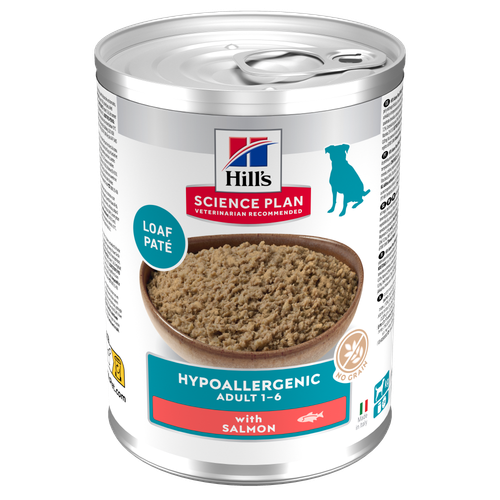
Hypoallergenic Adult Dog Food
Hill's Science Plan Hypoallergenic Adult Wet Dog Food with Salmon is a complete premium pet food for all adult dogs from 1 year. This savoury tinned loaf is specially formulated for dogs with delicate skin and stomachs. It features a single novel animal protein source and is grain-free.
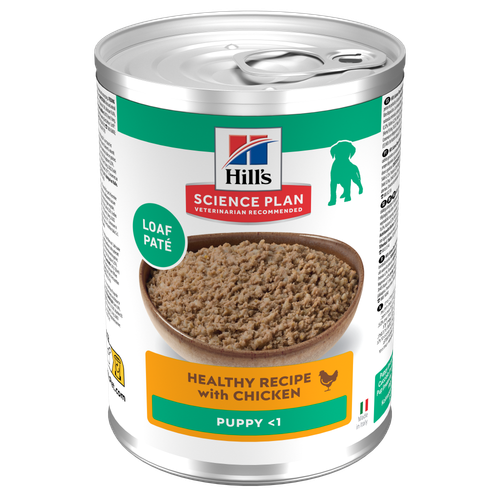
Puppy Food
Hill's Science Plan Puppy Wet Dog Food with Chicken is a complete premium pet food for growing puppies from weaning until 1 year old and for pregnant and nursing dogs. This deliciously smooth minced chicken loaf is precisely balanced to deliver the appropriate amount of energy to support the needs of growing puppies.
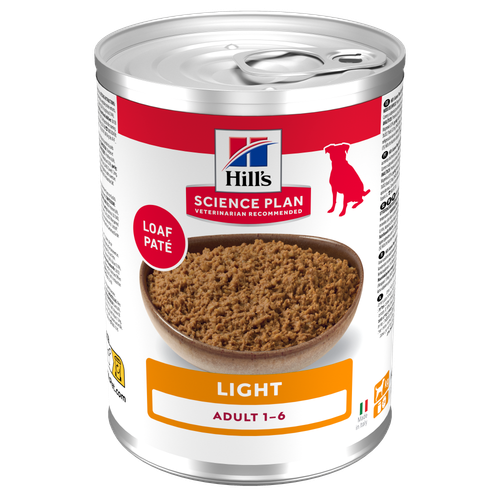
Adult Light Dog Food
Hill's Science Plan Light Adult Wet Dog Food is a complete premium pet food for adult dogs that tend to gain weight easily. This deliciously smooth loaf is formulated to deliver the appropriate amount of energy to support weight maintenance in adult dogs.
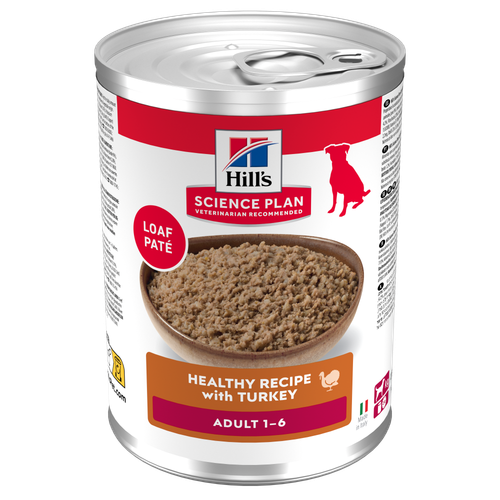
Adult Dog Food
Hill's Science Plan Adult Wet Dog Food with Turkey is a complete premium pet food for adult dogs from 1 year. This deliciously smooth minced turkey loaf is formulated to deliver the appropriate amount of energy to support the needs of adult dogs.
Related articles
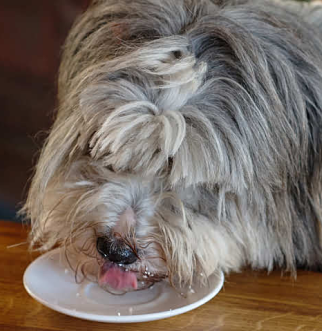
Caring for a Senior Dog: Physical and Mental Changes to Watch For
Learn the physical and mental signs of aging in dogs and how to keep your senior pet happy and healthy
Is Senior Dog Food Necessary? Understanding the Difference Between Senior, Mature and Adult Dog Foods
Learn why senior dog food is necessary, how it differs from adult formulas, and when to switch to support your dog’s ageing health and vitality.
Senior Dogs: 10 Most Common Health Issues
Learn about the most common health problems in senior dogs, such as hearing & vision loss, joint problems and dementia, and treatment options.
How to Manage IBD in Dogs
Learn if your dog may be experiencing symptoms of IBD, why it's different from IBS in people, and how your vet can help manage and treat this condition.

Put your dog on a diet without them knowing
Our low calorie formula helps you control your dog's weight. It's packed with high-quality protein for building lean muscles, and made with purposeful ingredients for a flavourful, nutritious meal. Clinically proven antioxidants, Vitamin C+E, help promote a healthy immune system.
Put your dog on a diet without them knowing
Our low calorie formula helps you control your dog's weight. It's packed with high-quality protein for building lean muscles, and made with purposeful ingredients for a flavourful, nutritious meal. Clinically proven antioxidants, Vitamin C+E, help promote a healthy immune system.