


Dog vomiting and diarrhoea is a common cause of worry for pet parents and can be caused by many things. Often it’s nothing to worry about – they might have eaten something unsavoury or picked up a bug like humans do. Although many mild cases settle on their own, it’s wise to be careful because sometimes it may be a sign of a more worrying condition. Vomiting especially can cause rapid dehydration. In this article, we’ll look at the most common causes of vomiting and diarrhoea in dogs, what you can do at home to help your dog and when you need to get veterinary help.
What causes vomiting and diarrhoea in dogs?
As established above, there are lots of things that can cause vomiting, diarrhoea, or both in dogs. Here are the most common causes:
- Dietary indiscretion. This is by far the most common cause. As most pet parents are aware, dogs love to eat all manner of unsavoury things, ranging from food stolen from the bin to other animals’ poo!
- Infections. These could be bacterial just the same as when humans pick up Campylobacter and get food poisoning, or it could be viral, as with parvovirus. Both bacterial and viral infections can be life-threatening.
- Adverse food reactions. These include allergies and intolerances and they can develop in any dog, although some breeds such as bulldogs, boxers and retrievers are more prone to them.
- Parasites. Heavy worm infestations can cause vomiting and diarrhoea.
- Pancreatitis.
- Chronic enteropathy (previously known as inflammatory bowel disease or IBD).
- Sudden diet changes. While some dogs are unaffected by this, others may be very sensitive to dietary changes. If your dog is healthy and you want to change the brand of food you buy, always change the food gradually over the course of 7 days or so. If you’re thinking of using a veterinary diet, always check with your vet beforehand to make sure it is suitable for your dog and make the change gradually.
- Poisons. Many toxic substances in and around the house and garden may cause vomiting and diarrhoea if ingested. Always keep these strictly out of reach.
When to worry: signs it could be an emergency
Many of you will have had an upset stomach yourself or children who have experienced vomiting and diarrhoea. Many times, you don’t need medical attention, and it all settles down on its own. However, there are times that very prompt veterinary attention is needed. Always call your vet if:
- Your dog is very young or very old, as they can become dehydrated and debilitated very quickly.
- You see blood in vomit or diarrhoea, or black, tarry-looking material is being passed. This can be a sign of serious bleeding in the gut.
- Your dog vomits regularly for more than 8 hours.
- Your dog seems lethargic, withdrawn or in pain. They may stand hunched up or adopt the play bow position for no reason, as well as cry.
- Your dog stops eating.
- Your dog is dehydrated. The skin tent test is a good way to check. Gently lift the skin on the back of the neck and then let go. If your dog is fine, the skin will snap straight back into position. If it’s slow to return, your dog is dehydrated, and if it stays up, your dog is in serious need of intravenous fluids.
- Your dog’s tummy starts to swell, or the dog starts to groan or tries to be sick but nothing comes up. Swelling can be a sign of a serious, life-threatening problem – call your vet immediately if you spot this.
- Your dog has an existing health condition, such as diabetes.
- Your dog is already on daily medication. Ask for advice about whether it can or should be stopped while your pet is being sick.
Remember to call your vet before bringing in your sick dog. They may ask you to wait in a different waiting area if they suspect your dog could be infectious to other patients.
What to do at home if your dog has vomiting and diarrhoea
As we said, lots of these bouts of vomiting and diarrhoea will resolve in a day or two. Often the diarrhoea takes longer to stop than the vomiting as it all works through your dog’s system. Here are some useful things to do if you don’t think it’s an emergency just yet.
- Keep multiple bowls of fresh water around the house so that if your dog is feeling poorly, they never have to go far for a drink. Keeping them hydrated is very important.
- Don’t make your dog fast unless they are actively vomiting. Food is very important for gut healing. Ask your vet if you can pick up a recovery food that is highly digestible. If your vet is closed, some boiled chicken breast (no skin) and rice will tide your dog over until the vet reopens. Adding water to food or feeding your dog wet food also helps with hydration.
- Try not to leave your dog unattended in case they suddenly take a turn for the worse.
- Do not give your dog human medications or over-the counter pet shop remedies without consulting your vet.
How to prevent digestive upsets in dogs
Unfortunately, vomiting and diarrhoea are almost inevitable in life, but there are things you can do to help prevent digestive upsets.
- Always keep your dog’s vaccinations up to date.
- Always follow your vet’s advice about how often to treat your dog for parasites.
- Don’t feed your dog human scraps, and always make sure they can’t scavenge things from the worktops or the bin. Many human foods are toxic to dogs. Make sure children know not to feed the dog, too.
- Feed a high quality, premium, complete and balanced dog food and avoid sudden changes in food.
Although digestive upsets are a fact of life, following the tips above will hopefully keep them to an absolute minimum for your dog.
Frequently Asked Questions about dog sickness and diarrhoea
What causes vomiting and diarrhoea in dogs?
The most common causes are dietary indiscretion (e.g. raiding the bin), infections, parasites, adverse food reactions and sudden changes in diet.
When is dog diarrhoea an emergency?
Contact your vet if:
- Your dog is very young or very old, as they can become dehydrated and debilitated very quickly.
- You see blood in vomit or diarrhoea, or if black, tarry-looking material is being passed.
- Your dog vomits regularly for more than 8 hours.
- Your dog seems lethargic, withdrawn or in pain.
- Your dog stops eating.
- Your dog is dehydrated.
- Your dog’s tummy starts to swell, or the dog starts to groan or tries to be sick but nothing comes up.
Can I treat dog vomiting and diarrhoea at home?
If you think it’s a mild upset stomach and none of the above applies, yes. Ask your vet for a highly digestible recovery food, keep your dog hydrated by offering plenty of fresh water or adding water to their food, don’t give them any medications without your vet’s say-so, and don’t leave your dog unattended in case they get suddenly worse.
What should I feed my dog after vomiting or diarrhoea?
Ask your vet for some recovery food or, if your vet is closed, boil some chicken breast (no skin) and plain rice until the vet office reopens.
How can I prevent my dog from getting an upset stomach?
Keep their vaccines and parasite control up to date, don’t change their food suddenly, don’t give them human scraps, and keep household chemicals out of reach.
Reviewed by Becky Mullis, DVM, DACVIM (Nutrition) and Emma Milne BVSc FRCVS.

Related products
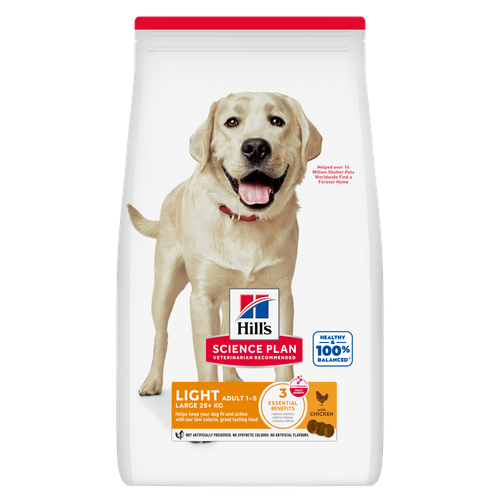
Light Large Breed Adult Dog Food
Hill's Science Plan Light Adult Large Dog Food with Chicken is a complete pet food, specially formulated with ActivBiome+ Multi-Benefit Technology.
Helps keep your dog fit and active with our low calorie, great-tasting food.
Precise nutrition for less active adult large breed dogs that require a low calorie food to help maintain a healthy weight & lifestyle.
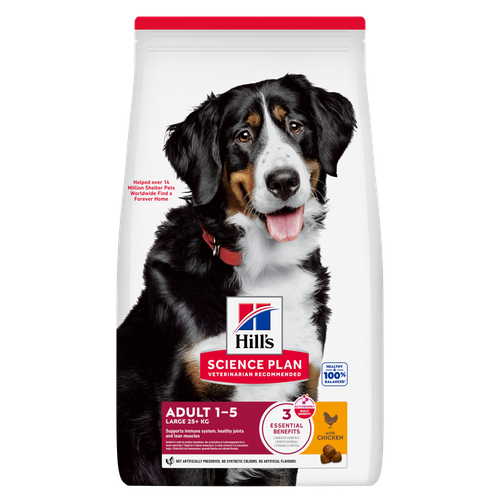
Large Breed Adult Dog Food
Hill's Science Plan Large Breed Adult Dog Food with Chicken is a complete pet food, specially formulated with ActivBiome+ Multi-Benefit Technology.
This food is specifically designed to fuel the energy needs of large breed dogs during the prime of their life.
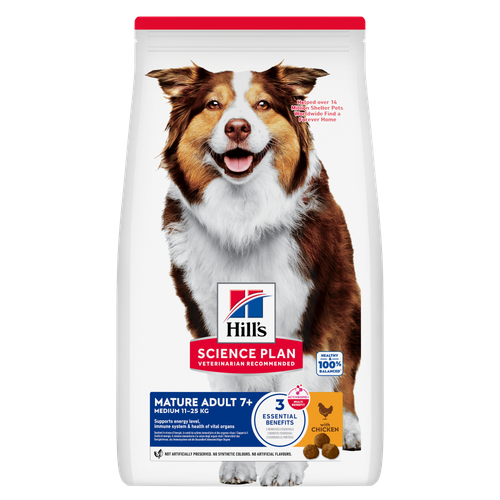
Medium Mature Adult Dog Food
Hill's Science Plan Medium Breed Mature Adult Dog Food with Chicken is a complete pet food, specially formulated with ActivBiome+ Multi-Benefit Technology.
This food is specifically designed for the needs of ageing medium breed dogs.
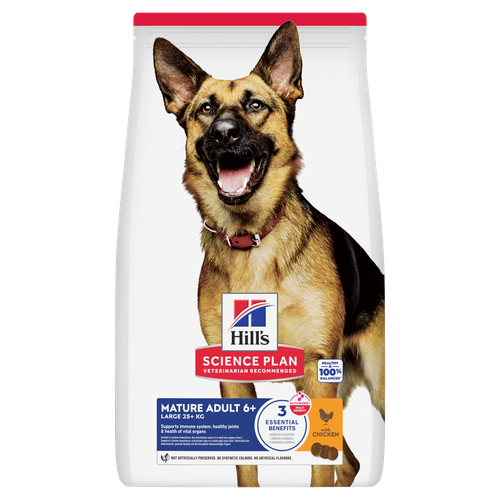
Large Breed Mature Adult Dog Food
Hill's Science Plan Large Breed Mature Adult Dog Food with Chicken is a complete pet food, specially formulated with ActivBiome+ Multi-Benefit Technology.
This food is specifically formulated with ingredients to support healthy ageing in large breed dogs.
Related articles
Blood in Dog Urine: Causes And Treatment
Discover the causes of blood in dog urine and learn about effective treatment options to ensure your pet's health. For expert advice, visit Hill's Pet UK.
Urinary Tract Infections (UTIs) In Dogs: Signs, Causes & Treatments
Learn about the warning sign's, symptoms, and treatments of urolithiasis in dogs and the affect on your pet.

Everything You Need to Know About Microchipping Dogs
Learn why microchipping dogs is vital for pet safety. Discover benefits, costs, and the details to protect your furry friend. See more at Hill's Pet UK.
Everything You Ever Wanted to Know About Dog Poo
Your guide to healthy dog poop and signs to watch out for that could indicate a health concern.

Put your dog on a diet without them knowing
Our low calorie formula helps you control your dog's weight. It's packed with high-quality protein for building lean muscles, and made with purposeful ingredients for a flavourful, nutritious meal. Clinically proven antioxidants, Vitamin C+E, help promote a healthy immune system.
Put your dog on a diet without them knowing
Our low calorie formula helps you control your dog's weight. It's packed with high-quality protein for building lean muscles, and made with purposeful ingredients for a flavourful, nutritious meal. Clinically proven antioxidants, Vitamin C+E, help promote a healthy immune system.