


It's not unusual for dogs to throw up. In fact, there are many reasons why your dog might vomit, and some are more concerning than others. So how can you tell if the dog vomit on the grass is a sign of serious trouble? Are there different types of vomit? Read on to find out more.
Vomiting vs. regurgitation
First, you should understand the difference between vomiting and regurgitation. When a dog regurgitates, the coughed-up material typically consists of undigested food, water and saliva. It is often expelled in a cylindrical shape, since regurgitated material is usually food or matter in the oesophagus (the tube leading from the mouth to the stomach). It comes out seemingly effortlessly, without muscle contraction. It's unlikely there will be any warning — either for you or your dog — that anything is coming up. Regurgitation happens immediately or very soon after eating.
Vomiting, conversely, is a much more active process. When vomiting, a dog's abdominal muscles will contract and the whole body will tense. The food or object being brought up is typically coming from the stomach or upper small intestine. You will likely hear the dog retching and see food that is undigested or partially digested, along with clear liquid if it's from the stomach, or yellow or green liquid (bile) if it’s from the small intestine. You might also have a little more warning that vomit is coming, such as drooling and lip-licking, pacing, whining or loud gurgling noises from your dog's stomach. Vomiting can happen soon after eating or even several hours later, when it may seem apparently unrelated to feeding.

Common causes of vomiting in dogs
The common causes of vomiting in dogs include:
- Eating rubbish, table scraps or other things they shouldn’t eat.
- Swallowing something hard, like a stone, bone or toy, or something poisonous, like cleaning products, antifreeze or pesticides.
- Viruses, bacterial infections or parasites.
- Changes to their diet, like a new dog food.
- Sensitivity to certain foods or ingredients.
- Bloating or other gastrointestinal (GI) problems.
- A bad reaction to a medication they’ve been given.
- Heatstroke.
- Health conditions that affect the gut, such as kidney and liver disease or pancreatitis.
The most common reasons for regurgitation are:
- Gastric reflux and oesophagitis (inflammation of the oesophagus).
- An obstruction or stricture in the oesophagus.
- Congenital oesophageal disease (megaesophagus), which is more common in breeds including the shar-pei, German shepherd dog, Great Dane, Irish setter, Labrador retriever, miniature schnauzer, Newfoundland and wire fox terrier.
Types of dog vomit and what they mean
Dog vomit can be very variable depending on the cause. Although it is not a hard and fast diagnostic fact, the timing and appearance can be useful pointers. For instance:
- A dog vomiting yellow fluid in the mornings might have bilious vomiting syndrome.
- A dog vomiting white foam may have expelled everything from its stomach, and all that’s left now is digestive juices.
- A dog vomiting totally undigested food soon after eating can be a classic sign of an intestinal foreign body.
- A dog vomiting blood could have a serious infectious disease, poisoning or a clotting disorder.
It’s useful for your vet if you can get photos or even a sample of the vomit and also try to note the time of day relative to feeding time.
Dog vomiting vs. just throwing up once: when to worry
While it isn’t normal for dogs to vomit, it is an inevitable part of pet ownership. Because of this, pet parents are typically not concerned if a dog throws up once in a while. But when should you worry?
When is dog vomiting an emergency?
Vomiting can quickly result in dehydration and mineral losses, or it can be a sign of something more serious — there are a few dog vomit scenarios that should be cause for immediate concern:
- You think your dog has swallowed a foreign object or something poisonous.
- Your dog has not only thrown up, but is also acting differently from usual — such as sleeping more than usual, refusing to eat or having diarrhoea. In this case, you should call your veterinarian.
- Your dog has a fever, appears dehydrated, or seems to be in pain.
- If you see blood in the vomit or stool, or if your dog is throwing up something that looks like coffee grounds — digested blood — call the vet. The blood can be a sign of serious problems, such as gastric ulcers, or a sign that your dog has eaten a sharp foreign object, such as a bone or toy.
- Your dog won't stop vomiting. While occasionally throwing up isn't unusual, if your dog throws up routinely or repeatedly, consult a vet to explore possible causes.
- If your dog appears to be trying to vomit but can’t, you should treat it as an emergency. Your dog may have a twisted stomach, which is a life-threatening emergency.
- If your dog adopts the ‘play bow’ position often (but is not actually playing) or is hunched and unwilling to move, and is vomiting, they may have acute pancreatitis, which is also an emergency.
If you're concerned at all about your dog’s health, don't hesitate to call your vet for advice.
How your vet will manage vomiting
When your veterinarian evaluates your dog, they will likely first want a good history of anything your dog may have eaten or gotten into,and information on how often they are vomiting or regurgitating. They may want to do bloodwork to look for causes of vomiting such as kidney disease or pancreatitis. They may also need to do X-rays and/or an ultrasound if they think your dog may have an obstruction in the GI tract or that the oesophagus is not working properly.
Once your vet is able to identify the problem, they can start treatment to get your dog feeling better quickly.
What you can do
If your vet determines what causes your dog to vomit and says that at-home care is sufficient for your dog, you'll want to know how to help alleviate their symptoms. The PD—SA has these care tips for your vomiting dog:
- Make sure your dog is still drinking water unless your vet has advised otherwise. With persistent vomiting, dehydration can be a real cause for concern, which is why fluids are so important.
- Offer your dog small, bland, low-fat meals three to six times daily for a few days. Your vet will be able to provide you with a bland recovery food that is formulated precisely for these occasions. Your vet may also want you to do a food trial if they think your dog may have a food sensitivity. During the initial recovery period, feed only this bland food. Do not feed your dog their normal food or any people foods.
- After a few days on the bland diet, gradually increase the amount of food and decrease the feedings as you transition back to your dog's normal food (slowly increasing the amount of normal food fed).
If you determine your dog is throwing up because they are eating too fast, one solution might be a "puzzle feeder," which forces dogs to eat slower as they work to obtain food. You can also try switching your dog's food to a higher-quality food or a special dietetic food, which offers your dog easy digestion and balanced nutrition. Switch to their new food slowly, rather than all at once, or you might exacerbate the problem.
A dog who throws up is not necessarily ill or in need of immediate veterinary attention. But if you see signs that make you believe something might seriously be wrong, call your vet to determine what the problem is and how to solve it. When it comes to vomiting, as with most things, there’s no such thing as seeing a vet too soon.
Dog vomiting FAQs
Why is my dog vomiting yellow bile?
Yellow vomit tends to be from the upper small intestine and may be due to gastrointestinal disease, bilious vomiting syndrome or wider medical problems.
What causes sudden vomiting in dogs?
Sudden onset vomiting can be caused by poisoning, obstruction, pancreatitis and dietary indiscretion, i.e. eating something they shouldn’t have.
Can I treat dog vomiting at home?
If your dog vomits once or twice but still behaves as if they are well and eats and drinks as normal, you can wait and see. If you have any doubt whatsoever, always seek veterinary attention. Some causes of vomiting, even simply repeated chronic vomiting in itself, can be life threatening.
When should I take my dog to the vet for vomiting?
You should take your dog to the vet if any of the following apply:
-
you see blood in the vomit
-
your dog is lethargic, off their food or withdrawn
-
if they seem to be in pain, including looking hunched or adopting the ‘play bow’ position
-
if mild, intermittent vomiting continues for more than 24 hours.
-
if you think they may have eaten something that has blocked the intestines or eaten something that may be toxic.
Reviewed by Karen Shenoy, DVM and Emma Milne, BVSc FRCVS.

Related products
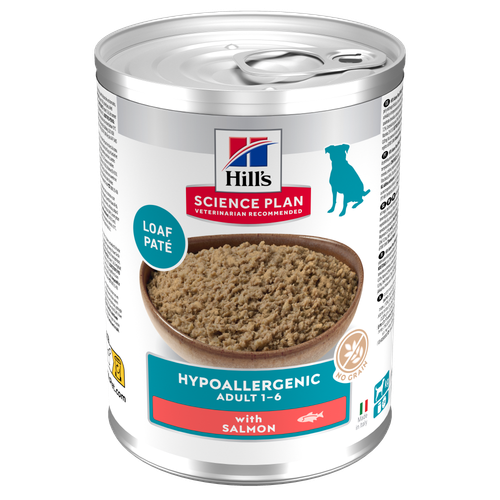
Hypoallergenic Adult Dog Food
Hill's Science Plan Hypoallergenic Adult Wet Dog Food with Salmon is a complete premium pet food for all adult dogs from 1 year. This savoury tinned loaf is specially formulated for dogs with delicate skin and stomachs. It features a single novel animal protein source and is grain-free.
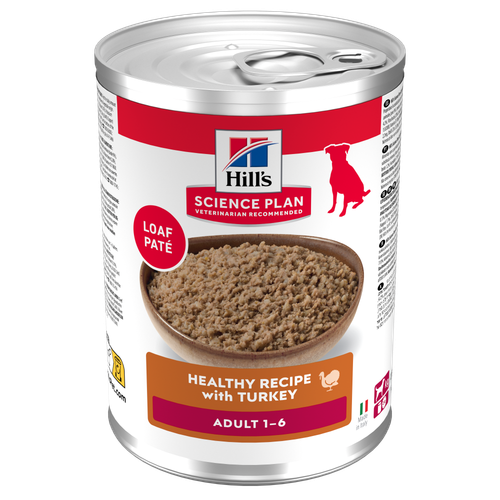
Adult Dog Food
Hill's Science Plan Adult Wet Dog Food with Turkey is a complete premium pet food for adult dogs from 1 year. This deliciously smooth minced turkey loaf is formulated to deliver the appropriate amount of energy to support the needs of adult dogs.
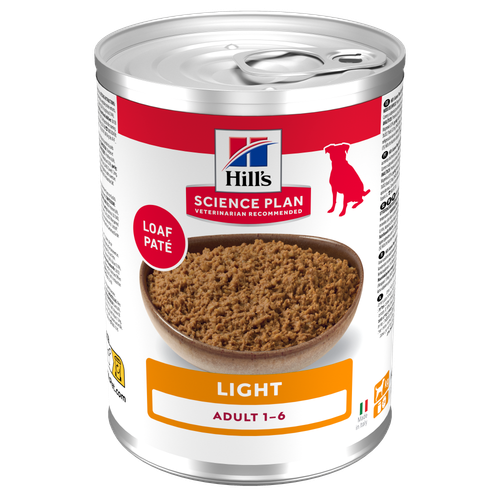
Adult Light Dog Food
Hill's Science Plan Light Adult Wet Dog Food is a complete premium pet food for adult dogs that tend to gain weight easily. This deliciously smooth loaf is formulated to deliver the appropriate amount of energy to support weight maintenance in adult dogs.
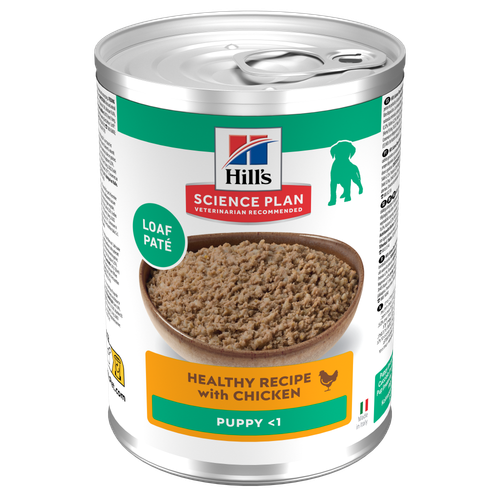
Puppy Food
Hill's Science Plan Puppy Wet Dog Food with Chicken is a complete premium pet food for growing puppies from weaning until 1 year old and for pregnant and nursing dogs. This deliciously smooth minced chicken loaf is precisely balanced to deliver the appropriate amount of energy to support the needs of growing puppies.
Related articles
Caring for a Senior Dog: Physical and Mental Changes to Watch For
Learn the physical and mental signs of aging in dogs and how to keep your senior pet happy and healthy
Is Senior Dog Food Necessary? Understanding the Difference Between Senior, Mature and Adult Dog Foods
Learn why senior dog food is necessary, how it differs from adult formulas, and when to switch to support your dog’s ageing health and vitality.

Senior Dogs: 10 Most Common Health Issues
Learn about the most common health problems in senior dogs, such as hearing & vision loss, joint problems and dementia, and treatment options.
How to Manage IBD in Dogs
Learn if your dog may be experiencing symptoms of IBD, why it's different from IBS in people, and how your vet can help manage and treat this condition.

Put your dog on a diet without them knowing
Our low calorie formula helps you control your dog's weight. It's packed with high-quality protein for building lean muscles, and made with purposeful ingredients for a flavourful, nutritious meal. Clinically proven antioxidants, Vitamin C+E, help promote a healthy immune system.
Put your dog on a diet without them knowing
Our low calorie formula helps you control your dog's weight. It's packed with high-quality protein for building lean muscles, and made with purposeful ingredients for a flavourful, nutritious meal. Clinically proven antioxidants, Vitamin C+E, help promote a healthy immune system.