


As cats age, they may sleep a little more and play a little less. While this is ordinary behaviour for mature cats, the shift may worry pet parents, and it can be helpful to discuss these changes with your veterinarian, who can rule out any more concerning causes. One way to ensure your pet stays spry is to encourage cat exercises and games to keep both their brain and body active and limber.
Since cats don't have gym memberships, we, as pet parents, need to guide them when it comes to exercise. Want to know the easiest way to get your pet active? Schedule time to play every single day. Cats are independent creatures, and some may scoff at the idea of working out, especially if they are older and becoming less mobile. However, by encouraging a senior cat to play with you, they'll get the daily activity they need in quick spurts around the home. Bear in mind that cats naturally only play for around five minutes at a time, so don’t be disappointed if they lose interest. Several short sessions a day are better than one marathon, especially for older cats.
Enrichment, just as it sounds, is how we make our pets' lives as optimal as they can be. It’s about adapting your habits and surroundings to allow them to express all their natural behaviours as they age. Enrichment for senior cats isn’t just about physical exercise; it includes mental and sensory stimulation, too. In this article, we’ll look at the three main ways you can enrich your older cat’s life and keep them moving and engaged.
Physical enrichment for senior cats
Movement is really important for older animals and humans alike. As cats get stiffer with age, they will naturally start to move less. This leads to muscle loss and a vicious circle of increasing loss and weakness. While intense, high-impact exercise may be a thing of the past for older cats, encouraging gentle, frequent exercise is essential for keeping their muscles strong, which in turn supports their joints and helps their circulation.
Invest in playtime - toys you can buy
There are many smart tools that can help your mature cat exercise more. These gadgets range from small to big and cheap to expensive, so start small, as your cat may like some and not engage with others. A quick trip to the pet store will give you endless options, so be sure to choose toys and tools that are age appropriate.
Cat exercise for free
Take a look around your house to see what you already own that your cat would love playing with. Have some old fabric you can sew into a ball? Note that it is best to avoid yarn, as the strings can be swallowed or get caught around the body and cause safety issues. But what about empty paper bags or cardboard boxes? Scratch the back of a bag or box, and your cat will pounce on the ‘prey’. Find a stick and some string to make a wand or a ‘fishing pole’ to tease your cat, so they can swat and jump to catch whatever you put on the end of the string. Bear in mind that older cats will have more difficulty standing up on their hind legs to catch things, so take care to keep the toys trailing on the ground more.
Do you have more than one cat? Multiple cats may be more likely to play with each other than one cat would be to start solo play time. Break out the toys and one may encourage the other to get moving.
Take it easy and keep it interesting
You may be feeling very enthusiastic to get all this underway, but remember:
Initiate short, frequent play sessions.
Keep games slow-paced, low-impact and adapted to your own cat.
Use treats to add to the positive experience of play.
Rotate toys so that your cat doesn’t get bored with them.


Tasty Tips
Environmental comfort to keep your senior cat mobile
Cats love climbing, but senior cats who may experience arthritis will eventually have trouble climbing. They will find the impact of landing from a height painful and will become reluctant to jump up and down. Move your furniture around to make it easier for your cat to access their favourite sleeping spots. Placing a footstool or a low table near the settee will make life more comfortable and encourage them to keep jumping a little. If you already have a cat tree, you can try and persuade your cat to continue using it by hiding a few cat treats on different levels, so they have to jump to enjoy the snack. Again, be mindful that coming down may be as difficult as getting up, so try to think of ways you can make the jumps smaller.
If your cat loves lazy afternoons watching nature from the warmth of a windowsill, install a bird feeder outside the window. Like television for cats, a bird feeder will bring new creatures into your cat's line of sight. They'll jump up for a view of the birds, who can provide entertainment for them while they eat their fill. Remember that you may need an intermediate piece of furniture if the sill is too high for your cat now.
Senior cats may become wary or even fearful of slippery floor surfaces like tiles. Look at ways to reduce exposure to treacherous flooring using non-slip mats or placing rugs in strategic places to help your cat get around.
Scratching is a really important behavioural need for cats. It’s a form of scent marking, so it makes them feel at ease and relaxed, and it also conditions their claws and keeps their leg muscles strong. Older cats may find upright scratching posts less comfortable if they have arthritis, so make sure to also provide them with horizontal scratchers. Ensure they are securely fastened, or they won’t get used.
Cognitive and sensory enrichment
Your cat’s enrichment needs don’t stop at the physical and environmental: as cats age, their sight, hearing and even their sense of smell and taste may decline. Now that cats are living longer than ever, we also see cognitive dysfunction as we do in dogs, which is often likened to dementia. Providing cognitive enrichment can slow brain ageing as well as being fun for your cat.
There are different ways you can stimulate your cat’s brain to keep them as agile as possible:
Puzzle feeders. Making your cat work for their food is good mental stimulation. You can buy various puzzle feeders or make them yourself. Start with simple set-ups, and note that you may need to show your cat what to do to start with. If not, they may just get frustrated and stop trying.
Scent games. Try leaving scent trails to hidden treats. Make sure they have a strong odour, as your cat’s sense of smell may be reduced. Things like liver treats or fish-flavoured treats are good for this purpose.
As with the physical exercise, keep the sessions short and frequent, and change them occasionally to add extra interest.
Food to help senior cats stay mentally and physically active
Nutrition plays a valuable role in keeping senior cats active and healthy. Before making any changes to your cat's food, consult with your veterinarian. Senior cat foods are beneficial because they contain:
Added antioxidants to combat cell ageing and slow cognitive decline.
Added omega-3 fatty acids to support joint and brain health.
Reduced calories to help your cat stay slim but still feel full.
Altered mineral content to support heart and kidney health.
Speak to your vet about the right time to switch and which food would be most appropriate for your individual cat. For cats with mobility concerns, your veterinarian may also recommend a dietetic food designed specifically to support joint health and mobility.
In summary
Senior cats may not tear about like they used to, but their later years can still be full of fun, play and love. Providing enrichment for senior cats can be fun for you, too, and make the bond between you even stronger. Adapting your home environment to accommodate your cat’s ageing joints as well as encouraging gentle daily exercise and stimulating your cat’s brain will all help to keep your cat happy, healthy and active well into their golden years.
Frequently Asked Questions about senior cat exercise
How can I play with my senior cat?
The key is to keep play sessions short – no longer than five minutes – and frequent rather than having tiring marathon sessions. Rotate toys to keep them interested. Keep games slow-paced and low impact.
How can I keep my older cat mentally stimulated?
Puzzle feeders are a great way to do this. Be sure to start simple and then increase the complexity and show your cat what to do to start with, so they don’t get frustrated. You can also hide tasty treats and leave scent trails for your cat to follow.
How can I make getting about easier for my senior cat?
Strategic placement of low pieces of furniture can make a big difference when cats become hesitant to jump on and off higher surfaces. Also provide rugs and other non-slip flooring to cover slippery floor areas and materials. Horizontal scratching posts are also more comfortable for senior cats.
Reviewed by Becky Mullis, DVM, DACVIM (Nutrition) and Emma Milne BVSc FRCVS.

Related products
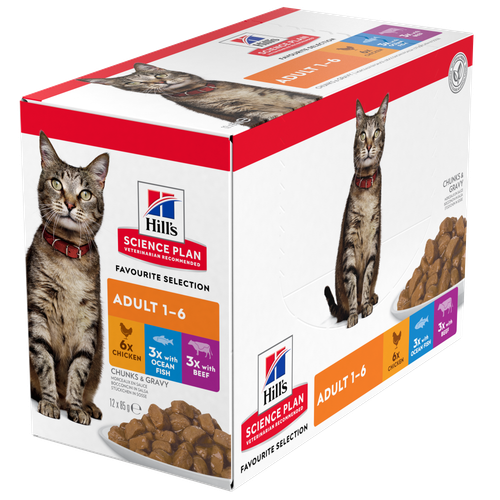
Adult Wet Cat Food with Chicken
Tender chunks in gravy for cats, with high-quality protein to maintain lean muscle. With vitamin E and omega-3s & -6s for healthy skin and balanced minerals to support healthy vital organs.
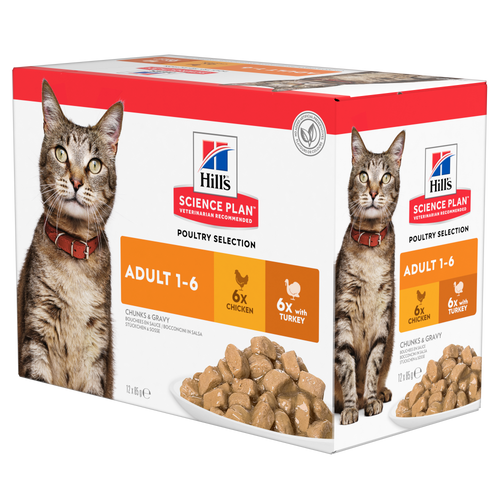
Adult Wet Cat Food with Chicken
Tender chunks in gravy for cats, with high-quality protein to maintain lean muscle. With vitamin E and omega-3s & -6s for healthy skin and balanced minerals to support healthy vital organs.
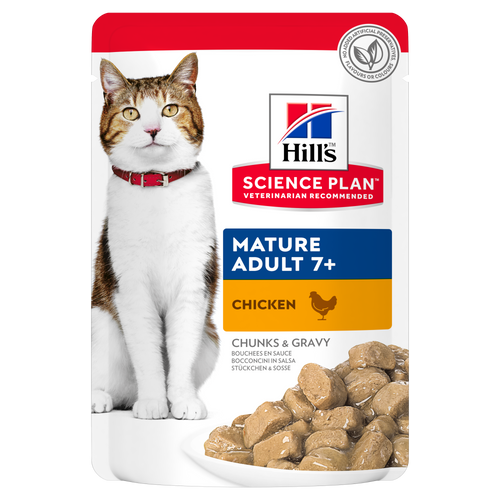
Mature Adult Wet Cat Food with Chicken
Hill's Science Plan Mature Adult Wet Cat Food Premium Chunks in Sauce with Chicken is a complete pet food for mature adult cats 7+ years old
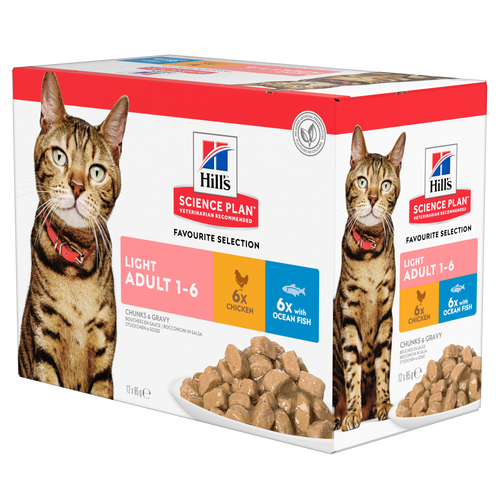
Light Adult Wet Cat Food Chicken
Tender chunks in gravy for cats, with L-carnitine and fewer calories for ideal weight management. Packed with high-quality protein, omega-6s, and vitamin E for shiny fur and healthy skin.
Related articles
10 Important Health Tips for Senior Cats
However, as much as we value having them in our lives, it’s easy to take our pets for granted. Your senior cat, on the other hand, appreciates every single thing you’ve ever done. Why not return the favour?

Cat Dementia: Signs, Causes and Management
Recognise the signs of dementia in cats and learn about effective management for cognitive dysfunction. Discover more pet care support at Hill's Pet UK.
The Importance of Wellness Visits for Your Senior Cat
Your senior cat could be hiding something – other than your car keys. That’s right, yours could be hiding an illness right now and you’d never even know it.
Choosing the Right Food for Your Senior Cat
As your cat grows older, feeding time can be a real challenge for both you and your cat.
Put your cat on a diet without them knowing
Our low calorie formula helps you control your cat's weight. It's packed with high-quality protein for building lean muscles, and made with purposeful ingredients for a flavourful, nutritious meal. Clinically proven antioxidants, Vitamin C+E, help promote a healthy immune system.
Put your cat on a diet without them knowing
Our low calorie formula helps you control your cat's weight. It's packed with high-quality protein for building lean muscles, and made with purposeful ingredients for a flavourful, nutritious meal. Clinically proven antioxidants, Vitamin C+E, help promote a healthy immune system.