


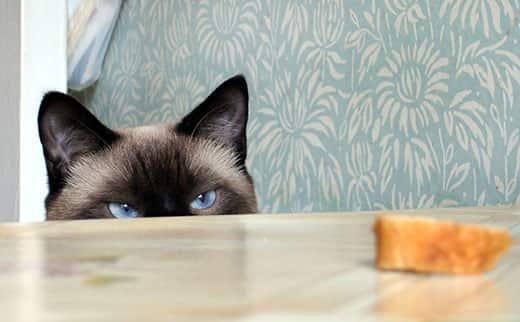
A slice of warm bread is a tasty treat for many pet parents, but should it be shared with a furry friend? Can cats eat bread, or is bread bad for cats? Before giving your pet some of your sandwich or baguette, here's what you need to know about cats and bread.
Can Cats Eat Bread?
As is the case with many human foods, small amounts of baked bread are generally OK for cats to eat in moderation. Cats shouldn't eat bread on a regular basis but, rather, reserve it for a once in a while treat.
Healthwise, there is nothing in baked bread that is bad for your cat, but it should be consumed in moderation. While bread, especially whole grain, is a good source of nutrients such as vitamins, minerals, fibres and carbohydrates, eating too much of it is not good for a cat, especially if the bread is highly processed. For a frame of reference, a slice of white bread provides one-fifth of all the calories an average cat needs in a day. So, while two slices of bread might barely satisfy your appetite, it is far too much for your feline friend.
Bread can come in handy if you have to give your cat oral medication. You may be able to hide a pill in soft-baked bread or even squirt liquid medicine on it. However, your cat may not fall for this trick. Many cats will avoid food with medication because of its bitter taste. You may have better luck with canned cat food, the hospital advises, but if your cat enjoys a nice bit of bread, you can opt for that route.


Tasty Tips
Is Bread Bad for Cats?
Now that we know the answer to whether or not cats can eat bread is "yes, in moderation", it brings us to our next question: "Is bread dangerous for cats?" Certain varieties of baked bread are safer for cats than others. A good rule of thumb is the least processed the baked bread, the better it probably is for your cat.
The World Small Animal Veterinary Association emphasizes that what's safe for a human, may be toxic for an animal — and bread is no exception. If baked bread is flavoured with tomato, onion or garlic, the loaf should be considered one of the toxic foods for cats. Steer clear of herbs and spices, too, unless you can confirm they're safe for cats. It's always a good idea to consult your veterinarian before giving any human food to your cat.
In this article, you may have noticed the reference to "baked" bread. That is to clarify that while most baked bread is not one of the dangerous foods for cats, bread dough, which contains active yeast, does pose a substantial risk to a cat's health.
Yeast
Raw dough—any kind of yeast dough, not just bread—can expand, just like it does on the counter, inside your cat and lead to a distended stomach and severe bloating. In rare instances, surgery is required to remove the dough mass. Additionally, as The Kennel Club points out, "the multiplying yeast can start to produce alcohol", which can cause serious issues for your pet.
Additionally, ingesting uncooked yeast can cause your cat to be intoxicated. Also known as alcohol toxicosis, it occurs because "yeast fermentation products include ethanol, which is absorbed into the bloodstream, resulting in inebriation and metabolic acidosis (excessive amounts of acid that alter the chemicals in the blood)", the Merck Veterinary Manual describes. Alcohol is a big no-no for all animals because of the toxicity of ethanol, which can be fatal upon ingestion.
Signs of yeast ingestion include vomiting, diarrhoea and excessive gas or bloating. Contact your vet's office or an emergency care clinic right away if you suspect your cat has eaten raw dough containing yeast.
How Does Bread Affect Cat Nutrition?
Cats are obligate carnivores, which means they must get some of their nutrition from meat. In other words, they are obligated to eat some meat. They need a cat food developed with the right ingredients that provide the right balance of nutrients including meat-based protein, amino acids, vitamins, minerals and energy to ensure an optimum level of health.
Therefore, before giving your cat bread, consider not only their nutritional intake but their overall health. For example, if your cat has diabetes, check with your vet before feeding them bread. "Your veterinarian may recommend feeding your cat a food restricted in carbohydrates, which has been shown to improve control of blood glucose levels", says the College of Veterinary Medicine at Cornell University.
In general, you'll want to limit your cat's snacks, as feeding foods that they are unaccustomed to can cause stomach upset — even if they don't have a health condition. And remember, bread shouldn't have a regular place in a cat's nutritional plan. It's a savoury treat you can share every so often, in very small bites.

Related products
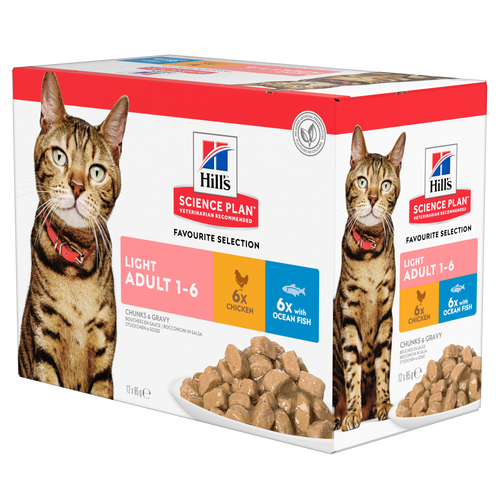
Light Adult Wet Cat Food Chicken
Tender chunks in gravy for cats, with L-carnitine and fewer calories for ideal weight management. Packed with high-quality protein, omega-6s, and vitamin E for shiny fur and healthy skin.
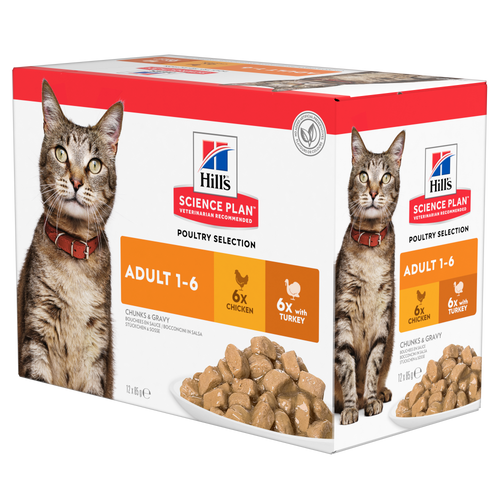
Adult Wet Cat Food with Chicken
Tender chunks in gravy for cats, with high-quality protein to maintain lean muscle. With vitamin E and omega-3s & -6s for healthy skin and balanced minerals to support healthy vital organs.
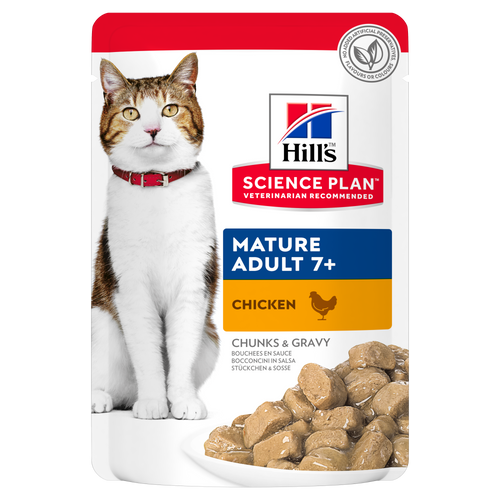
Mature Adult Wet Cat Food with Chicken
Hill's Science Plan Mature Adult Wet Cat Food Premium Chunks in Sauce with Chicken is a complete pet food for mature adult cats 7+ years old
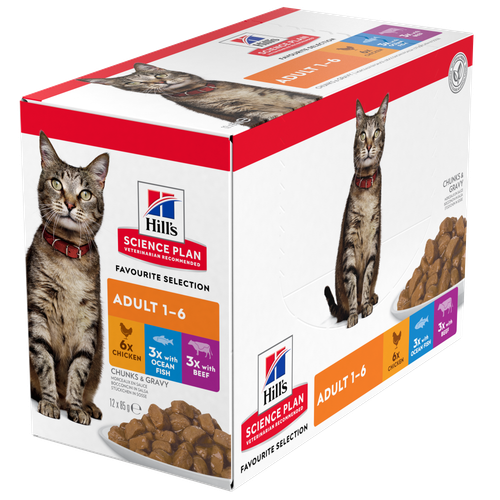
Adult Wet Cat Food with Chicken
Tender chunks in gravy for cats, with high-quality protein to maintain lean muscle. With vitamin E and omega-3s & -6s for healthy skin and balanced minerals to support healthy vital organs.
Related articles
The Benefits of Fibre for Cats: Why Feed Fibre?
Learn why fibre is so important for your cat's diet and health. Explore the key benefits and advantages for cat gut health. See more at Hill's Pet UK.
Can Cats Eat Rice?
Can cats eat rice? And can cats eat rice to help with digestive issues? Read on to find out if rice can have a role in your cat's meal plan!
Are Olives Safe for My Cat?
Learn the science behind why many cats are attracted to olives and love eating them, as well as any health concerns about stuffed olives and olive oil.
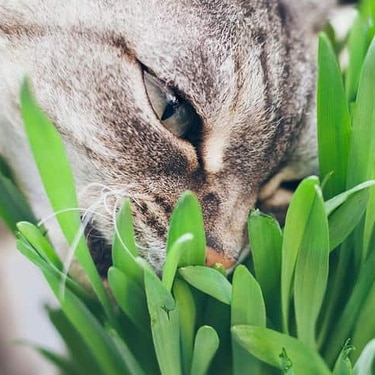
Cat Grass: Is it Safe for My Cat?
Learn what cat grass is, whether it's safe for your kitty and why it may be beneficial for certain breeds, especially ones that are prone to hairballs.
Put your cat on a diet without them knowing
Our low calorie formula helps you control your cat's weight. It's packed with high-quality protein for building lean muscles, and made with purposeful ingredients for a flavourful, nutritious meal. Clinically proven antioxidants, Vitamin C+E, help promote a healthy immune system.
Put your cat on a diet without them knowing
Our low calorie formula helps you control your cat's weight. It's packed with high-quality protein for building lean muscles, and made with purposeful ingredients for a flavourful, nutritious meal. Clinically proven antioxidants, Vitamin C+E, help promote a healthy immune system.