


If you're new to this whole cat parent thing, you might be feeling a little intimidated. Even if this new kitty isn't your first, adopting a new cat can be both exciting and overwhelming. It's easy to overlook something that you or your kitty might need to make their life more comfortable, especially for the first few days and weeks with you. Be sure you and your new cat have everything you need by following these ten tips to help you be the best pet parent to your new feline friend.
Before the Arrival
Before you bring your new furry friend home, take the time to prepare your home, your family, and yourself to make the transition a seamless one.
1. Remove Potential Toxins
This is an important step to ensure your kitty's safety. Cats jump, climb and fit into small spaces, so look high and low for anything that might present a hazard, including household cleaning agents and other chemicals. Don't forget houseplants — many common plants, including begonias, peace lilies and lucky bamboo are toxic to cats if eaten, and unfortunately cats love to eat plants. The American Society for the Prevention of Cruelty to Animals (ASPCA) provides a comprehensive list of plants that are toxic to cats, but for the safety of both your new cat and your plants, it's best to relocate all plants and flowers so they won't be able to nibble on them.
2. Finish Cat-Proofing Your Home
A lot of cats like to chew on cords and string. This not only poses a choking hazard, but also an electrocution hazard if they try to eat an electrical cord. Be sure to secure all power cords, as well as pull cords on curtains and blinds, yarn, sewing thread and needles, decorative tassels, and anything else resembling string. Go through the house and check for any openings that would let them crawl into duct work, attics, crawl spaces or anywhere else where they might become trapped, and double check that they're securely covered. If you have a dog door, you should also make sure your cat won't be able to use it as an escape hatch. The ASPCA recommends installing sturdy screens on all windows if they don't already have them, and making sure rubbish bins are secured with tight-fitting lids.

3. Talk to Your Family
If you share your home with others, make sure everyone's on board with getting a new cat, and determine ahead of time who will be responsible for duties like feeding and cleaning the litter box. If you have kids, establish rules and talk to them about safe ways to play with the cat.
4. Prepare Your Other Pets
If your new cat won't be an only pet, you'll need to plan on how to handle introductions carefully. PetMD recommends familiarising your current pets with the new pet by letting them sniff something they’ve slept on or interacted with before bringing them into the house. Prepare a safe, small space for your new cat so they can spend their first few days in isolation, such as a bathroom, to get acclimated to the new surroundings in peace. This will provide places to hide from the unwanted attention of other household members.
5. Buy Necessary Supplies
Food and water dishes, a litter box and cat litter will only serve the most basic needs. A good cat parent will of course also want the cat to be happy and comfortable. For this, you'll need grooming supplies like a cat brush, cat shampoo and nail trimmers, a variety of cat toys and at least one cat bed. If you want them to stay off the furniture, you'll likely need a cat bed for each room. Consider providing a cat tree to give an alternative to jumping on cabinets or tables in order to satisfy the urge to perch on high ground. Scratching posts or pads will also give an alternative to sharpening their nails on the furniture or carpet.


Tasty Tips
6. Stock up on Quality Food
To avoid tummy troubles, it's best to switch food slowly, so if possible, try to get a week's supply of what the shelter or breeder was feeding, and gradually switch to your preferred brand of balanced and nutritious cat food.
Once Home
In the days and weeks following your new cat's homecoming, taking these steps will help ease your cat into their new life and help you be the best pet parent they could ever want.
7. Schedule a Wellness Check
As soon as you can, have your veterinarian check your cat over and make sure they’re up to date on vaccinations. Your vet can also help you determine whether neutering is necessary, for a variety of health and safety reasons. If you don't already have an established relationship with a vet, be sure to consult friends and family members. Remember, besides you and your family, your vet is the most important person for your cat's health and happiness.
8. Get Some Bling
Accidents happen no matter how careful you are. Should your kitty manage to get separated from you and become lost, a collar with an ID tag that includes your contact information will help improve your chances of being reunited. Many shelters also microchip pets before they leave the shelter, so it can also be a good idea to ask more about that programme in case of an unexpected escape.
9. Start Lessons ASAP
Kittens and younger cats may need to be taught to use a litter box, and cats of any age will need to learn the house rules. Discourage unwanted behaviour by interrupting and distracting with a loud noise, and reward with treats when doing the right thing. Try placing strips of tape sticky side up on furniture and other surfaces that you don't want scratched, and try using catnip to lure to desirable objects, such as cat beds and scratching posts.
10. Exercise Her Body and Mind
Cats become bored easily, and a bored cat often becomes a mischievous cat. Cat toys will not only keep them entertained and engage their mind, but also help your cat stay fit. If possible, create a perch by a window where kitty can sit and watch birds, squirrels, and people. Let them her hone their hunting instincts while getting some exercise by hiding treats and toys around the house.
At the end of the day, your new kitty just wants to feel secure and loved, which is the goal of every cat parent. By following the steps outlined here, you can relax knowing that all major needs are covered, and focus instead on bonding with your newest friend.

Related products
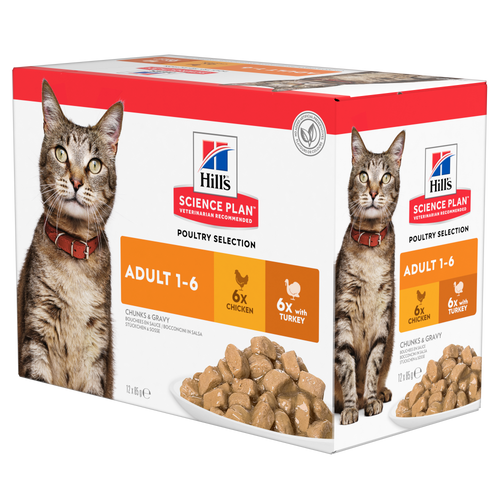
Adult Wet Cat Food with Chicken
Tender chunks in gravy for cats, with high-quality protein to maintain lean muscle. With vitamin E and omega-3s & -6s for healthy skin and balanced minerals to support healthy vital organs.
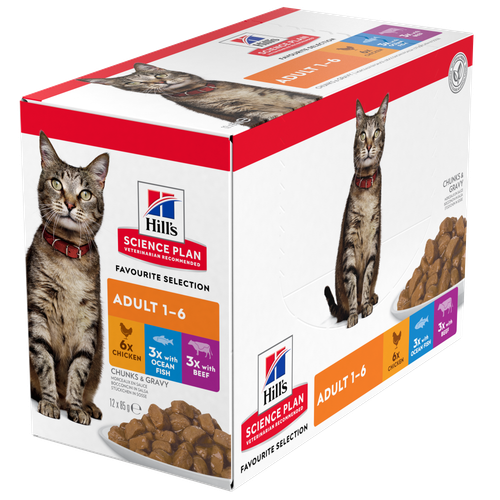
Adult Wet Cat Food with Chicken
Tender chunks in gravy for cats, with high-quality protein to maintain lean muscle. With vitamin E and omega-3s & -6s for healthy skin and balanced minerals to support healthy vital organs.
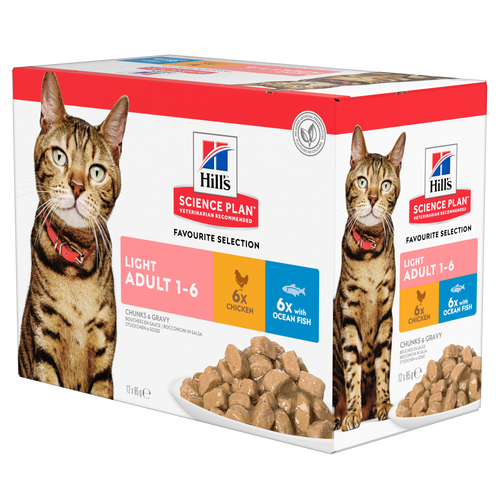
Light Adult Wet Cat Food Chicken
Tender chunks in gravy for cats, with L-carnitine and fewer calories for ideal weight management. Packed with high-quality protein, omega-6s, and vitamin E for shiny fur and healthy skin.
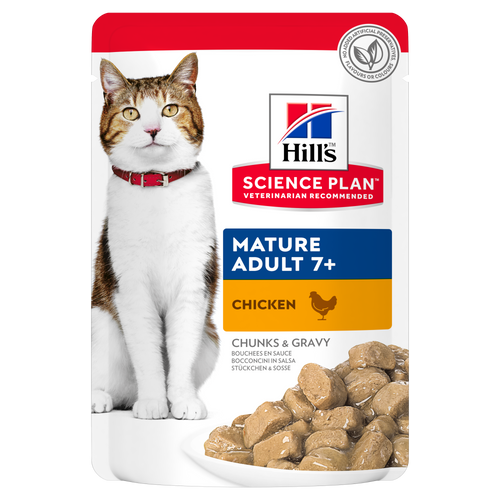
Mature Adult Wet Cat Food with Chicken
Hill's Science Plan Mature Adult Wet Cat Food Premium Chunks in Sauce with Chicken is a complete pet food for mature adult cats 7+ years old
Related articles

What Is the Best Couch & Furniture Material for Cats?
Wondering what couch materials will survive your cat's claws the best? Discover the best furniture material for cats, as well as some fabrics to avoid.

Leaving a Cat Home Alone: How Long is Safe?
Concerned about leaving a cat home alone? Considering if she's a kitten or senior cat and her relationship with you can help you decide how long is safe.

Five tips to stop cats from scratching up the furniture
There are many tips out there on how to deal with cat scratching, so to help you out, we’ve chosen our top five tips.

Are Cats Protective of Their Humans?
Dogs are well-known for their loyalty, but are cats protective too? Learn whether cats defend their people and how to deal with an overprotective kitty.

Put your cat on a diet without them knowing
Our low calorie formula helps you control your cat's weight. It's packed with high-quality protein for building lean muscles, and made with purposeful ingredients for a flavourful, nutritious meal. Clinically proven antioxidants, Vitamin C+E, help promote a healthy immune system.
Put your cat on a diet without them knowing
Our low calorie formula helps you control your cat's weight. It's packed with high-quality protein for building lean muscles, and made with purposeful ingredients for a flavourful, nutritious meal. Clinically proven antioxidants, Vitamin C+E, help promote a healthy immune system.