


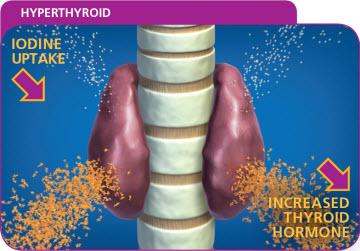
The thyroid glands are two very small glands that sit either side of your cat’s windpipe. These glands use dietary iodine to make thyroid hormones. In turn, these hormones help regulate important body functions. You can picture the thyroid glands like the coal furnace on a steam train. When you need more heat or speed, the metabolism is cranked up, like shovelling coal into the furnace. Thyroid hormones help regulate:
- Metabolism
- Body temperature
- Blood pressure
- Heart rate
- Gastrointestinal (bowel) function
What is feline hyperthyroidism?
Hyperthyroidism is a common feline endocrine disorder, most often diagnosed in older cats over the age of 10. It is usually the result of a benign tumour (also called hyperplasia) in one or both of the glands. These tumours produce an excess of thyroid hormones and the metabolism goes into overdrive.
Left untreated, hyperthyroidism can have serious, sometimes fatal, consequences on vital organs like the heart and kidneys. However, the good news is this disease is highly manageable and can be controlled with proper veterinary care.
Warning signs and symptoms of feline hyperthyroidism
Signs of hyperthyroidism can vary in severity depending on how long a cat has been ill. As the metabolism is being cranked up by all these extra hormones, the most common signs and symptoms are:
- Weight loss
- Increased appetite
- Diarrhoea and/or vomiting
- Increased thirst
- Poor skin and coat condition
- Hyperactivity
- Increased vocalisation
Cats with chronic kidney disease and diabetes mellitus exhibit some signs similar to hyperthyroidism. Your veterinarian may also need to perform tests for these diseases to ensure an accurate diagnosis. Of course, in older cats, it’s also not uncommon to have one or more of these diseases going on at any one time.
Treatments for cats with hyperthyroidism
There are four potential options for managing cats with hyperthyroidism:
-
Nutrition. Limiting dietary iodine intake reduces thyroid hormone production. This therapeutic food still has all the iodine an adult cat needs, but not enough to allow an overproduction of the hormone.
Pros:
- No need to medicate your cat. Your cat needs to be fed anyway, so incorporating a treatment option makes sense.
- No chance of side effects.
- No need to hospitalise your cat.
Cons:
- Some cats may be picky eaters and not like the food. If your cat regularly eats elsewhere, then the food may not work.


Tasty Tips
Medication. Antithyroid drugs inhibit the production of thyroid hormones.
Pros:
- No need for hospitalisation.
- Effective.
Cons:
- Some cats are difficult to medicate.
- These drugs can have significant side effects in some cats, such as intense facial itching, skin lesions, gastrointestinal signs and some moderate to severe anaemia and other blood changes.
Radioactive iodine therapy. This involves using radiation to destroy abnormal thyroid tissue.
Pros:
- Effective
- Usually no need to medicate long-term.
Cons:
- Expensive.
- Only a few centres offer this treatment so your cat may have to travel a long distance.
- It’s likely that centres will ask that your cat stays with them for some time after treatment. However this is in the best interest of your household and your cat. The radioactive material used for the treatment quickly makes its way into their urine and faeces, so these will need to be disposed of safely before they’re able to return home to you.
Surgery. This involves removal of diseased thyroid tissue.
Pros:
- Curative. If the tumour is a rare malignancy, medication and food will not tackle it but surgery will, if the tumour has not spread already.
Cons:
- Normal risks associated with surgery and anaesthesia, especially in older cats.
- Your cat will need to be hospitalised for a day or two, which may be stressful.
- Occasional complications if the adjacent parathyroid glands are damaged. This can lead to problems with calcium metabolism that may be severe.
There is no one option that will suit every cat. With all of these options, you will need to do some longer-term monitoring of thyroid levels and renal function through regular blood testing. As you can see, each treatment option has its pros and cons, so have a discussion with your veterinarian and look at your and your cat’s lifestyles. Together, you can pick the right option for you and your cat.
Reviewed by Dr. Hein Meyer, DVM, PhD, Dipl-ECVIM-CA and Dr. Emma Milne BVSc FRCVS.

Related products
Mature Adult Wet Cat Food with Chicken
Hill's Science Plan Mature Adult Wet Cat Food Premium Chunks in Sauce with Chicken is a complete pet food for mature adult cats 7+ years old
Light Adult Wet Cat Food Chicken
Tender chunks in gravy for cats, with L-carnitine and fewer calories for ideal weight management. Packed with high-quality protein, omega-6s, and vitamin E for shiny fur and healthy skin.
Adult Wet Cat Food with Chicken
Tender chunks in gravy for cats, with high-quality protein to maintain lean muscle. With vitamin E and omega-3s & -6s for healthy skin and balanced minerals to support healthy vital organs.
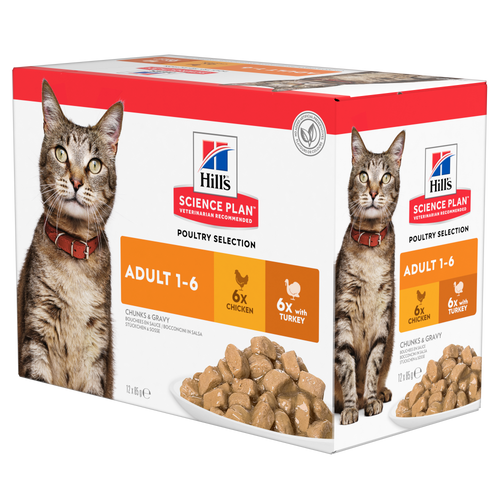
Adult Wet Cat Food with Chicken
Tender chunks in gravy for cats, with high-quality protein to maintain lean muscle. With vitamin E and omega-3s & -6s for healthy skin and balanced minerals to support healthy vital organs.
Related articles
Pancreatitis In Cats: Signs, Causes And Treatment
Learn about the signs, causes and treatments of pancreatitis in cats and discover the different types of disease. Discover expert advice at Hill's Pet UK.
Kidney Disease in Cats: Causes, Signs & Treatments
Learn about the causes, symptoms, and treatment options of kidney disease in cats. For expert advice on managing your cat’s kidney health, visit Hill's Pet UK
Does My Cat Have Dry Skin? - Tips and Advice
Learn how to spot the signs of excessive dry skin in cats, what could be causing your cat's skin irritation, and how you can help alleviate your cat's dry skin.
Kidney Disease in Cats: Causes, Signs & Treatments
Learn about the causes, symptoms, and treatment options of kidney disease in cats. For expert advice on managing your cat’s kidney health, visit Hill's Pet UK
Put your cat on a diet without them knowing
Our low calorie formula helps you control your cat's weight. It's packed with high-quality protein for building lean muscles, and made with purposeful ingredients for a flavourful, nutritious meal. Clinically proven antioxidants, Vitamin C+E, help promote a healthy immune system.
Put your cat on a diet without them knowing
Our low calorie formula helps you control your cat's weight. It's packed with high-quality protein for building lean muscles, and made with purposeful ingredients for a flavourful, nutritious meal. Clinically proven antioxidants, Vitamin C+E, help promote a healthy immune system.