


Arthritis is a common condition in cats. As you can imagine, over a lifetime of jumping and climbing, cats’ joints undergo a lot of wear and tear, so arthritis is much more common in older cats. However, some young cats can also be affected if they have accidental injuries or if they are a breed that is more prone to joint issues.
Sadly, lots of cats may be living in pain because their arthritis isn’t diagnosed. Cats are very good at hiding pain, and the early signs of arthritis can be really subtle and therefore easily missed. Knowing what to look out for and intervening early will help to ensure your cat is pain-free. In this article, we’ll look at what arthritis is, what causes it, what the signs and symptoms are and what treatment options could help your cat.
What is arthritis in cats (osteoarthritis)?
Arthritis is a general term for abnormal changes and inflammation in the joint. Cartilage acts as a cushion to protect the bones. When it wears away, joints become swollen and painful. Joints are also full of a thick fluid that lubricates the joint and acts as a shock-absorber. With arthritis, this fluid tends to become thinner and more watery. These changes result in a vicious circle of inflammation and damage.
Also known as degenerative joint disease, arthritis is a very common source of chronic pain and can negatively affect your cat’s quality of life. Although arthritis is not curable, early management is key.


Tasty Tips
What causes arthritis in cats?
Risk factors include the following:
- Age. As cats get older, cartilage and joint fluid will begin to degenerate through wear and tear.
- Breed. Certain cat breeds are more prone to arthritis and decreased mobility. Such cat breeds include Himalayan, Persian and Siamese.
- Obesity. Obesity in cats is common, just as it is in dogs and humans. Obesity is a major risk factor for diseases such as diabetes and arthritis. Excess weight means excess stress on the joints and cartilage, which can lead to early arthritis and joint problems.
- Congenital or hereditary defects. Some cat breeds may have congenital or hereditary conditions that make them more prone to developing arthritis later in life. An example of this is the very large Maine Coon, which is prone to hip dysplasia. The unstable joints that characterize this condition can quickly become arthritic.
- Accidents or trauma. Trauma caused by accidents can damage joints, resulting in arthritis later in life and adversely affecting mobility.
- Infection. Occasionally, infections can lead to the destruction of cartilage and joint tissue.
What are the signs and symptoms of arthritis in cats?
Physical signs of arthritis in cats
These are the more obvious signs and commonly include
- Reluctance to jump or climb
- Hesitating before jumping, both up and down
- Limping
- Stiffness, especially after sleeping or resting
- Poor coat due to difficulty grooming
- Difficulty going up and down stairs or doing so slowly
- Difficulty using the cat flap
Behavioural signs of arthritis in cats
These signs may be subtler, so do be vigilant and note what’s normal for your cat.
- Going to the toilet outside the tray or in strange places
- Sleeping more
- Grooming less
- Unusual aggression or irritability
- Avoidance of slippery surfaces
- Not hunting or playing as much
- Not interacting with people as much
- Not going outside as much
- Sleeping in unusual places that are more accessible
How is cat arthritis diagnosed and when should I see my vet?
It’s important to see your vet as soon as you can if you notice any of the above signs. The sooner you can intervene, the sooner your cat will be comfortable again, and, although arthritis is not curable, you may be able to slow down the progression of the disease.
Your vet will want to do one or more of the following things:
- Full clinical exam. This is a nose-to-tail exam, looking not only for obvious pain but also other problems, such as infections or obesity that might be an underlying cause or exacerbating the issue.
- Imaging such as radiographs (x-rays).
- Routine bloods to check for underlying or concurrent disease. This may affect what medication your cat can have.
- Weight and body condition score check, in case your cat needs to start a weight loss plan.
- Joint taps to sample fluid.
- Endoscopy of the joint spaces to look for damage to cartilage.
Management options for cats with arthritis
There are a variety of treatment options for cats with arthritis and they will vary depending on the severity and the cat’s individual needs. The most common options include:
- Weight loss. The importance of getting your cat slimmer if they are overweight cannot be overstated. It’s important to use dietetic foods from your veterinarian rather than reduce your cat’s normal food. Trying to do that at home will just result in a hungry cat possibly being underfed in protein, minerals and vitamins.
- Nutritional support: dietetic foods. These foods can make a huge difference to cats with arthritis, and with some of these foods you may not need to give supplements. There are also foods available that support both weight management and joint health if your cat is overweight. As with medications, always take care to put your cat on a dietetic food only if your vet has said it’s OK or has advised it. Ask your vet about these foods, and they can help you find the one that’s going to be the most efficacious for your individual cat.
- Medications. There are various pain-relief drugs and anti-inflammatories available. Your vet will choose one or a combination of several to suit your individual cat. Never give your cat medications that haven’t been prescribed by your vet, as some drugs that are safe in humans and dogs are lethal to cats.
- Joint supplements such as omega-3 fatty acids can help reduce inflammation and may reduce the need for drugs. If your cat is already on a dietetic food, supplements may not be needed.
- Physiotherapy. Keeping your cat moving is important to stop them from losing muscle mass and getting into a vicious circle of weakness. Your vet may give you some gentle exercises to do at home or refer you to a physiotherapist. Some cats even get used to hydrotherapy!
- Surgery. In some cases, surgery may be beneficial.
Helping your arthritic cat at home
There are lots of things you can do around the house to make life easier for your cat alongside veterinary treatments.
- Provide litter trays in various places around the house with comfortable litter and low sides. This way, your cat doesn’t have to go far or go outside to go to the toilet.
- Put food and water in multiple places in your house so your cat can easily access it. Raised bowls can also help.
- Look at where your slippery floors are and provide rugs or other non-slip options to help your cat to feel comfortable in every room.
- Use ramps or strategically placed furniture to make it easier for your cat to reach and sleep in their favourite places while avoiding the need to jump.
- Encourage gentle exercise to keep them mobile.
- Provide lots of thick, comfortable, warm beds.
In summary
Although it’s impossible to stop wear and tear on joints or any accidents that life throws at us, you can help to keep cat arthritis at bay as long as possible. By far, the best thing to do is keep your cat slim for life. Obesity not only loads the joints and skeleton but causes inflammation and can exacerbate arthritis in more ways than one.
Schedule regular cat vet checks and monitor your cat’s weight at home every month so that you catch changes early on and act quickly. Be vigilant for signs or subtle behaviour changes, and seek help as early as you can.
Although arthritis is almost inevitable, with early intervention, home management strategies and treatment, many cats with arthritis can live very happy and comfortable lives.
Frequently asked questions about arthritis in cats
How can I help a cat with arthritis?
See your vet first and foremost so that you can make sure your cat’s weight is good and get pain relief for them. At home, consider
- Providing litter trays in various places around the house with comfortable litter and low sides.
- Putting food and water in multiple places in your home so your cat can easily access them. Raised bowls can also help.
- Take note of where your slippery floors are and provide rugs or other non-slip options.
- Use ramps or strategically placed furniture to make it easier for your cat to reach and sleep in their favourite places while avoiding the need to jump.
- Encourage gentle exercise to keep them mobile.
- Provide lots of thick, comfortable, warm beds.
How should I carry a cat with arthritis?
A lot of cats don’t actually like being picked up or restrained, so try to avoid it if at all possible. If you need to carry your cat, it’s best to do so in a carrier with a thick bed.
What can I give my cat for arthritis pain?
ONLY give what your vet recommends. Some human and dog medications can kill cats. Also ask your vet about approved dietetic foods that support joint health and weight loss if needed.
How long can a cat live with arthritis?
If you can make changes at home and keep your cat comfortable, there’s no reason that they can’t live a normal life span.
How to massage a cat with arthritis?
Ask your vet for a gentle regime of physiotherapy if they feel it’s appropriate. If your cat is in pain, you need to be careful to approach massage in the right way or else you may make them fearful of you.
Reviewed by Becky Mullis, DVM, DACVIM (Nutrition), and Dr Emma Milne BVSc DipECAWBM(Hon) FRCVS.

Related products
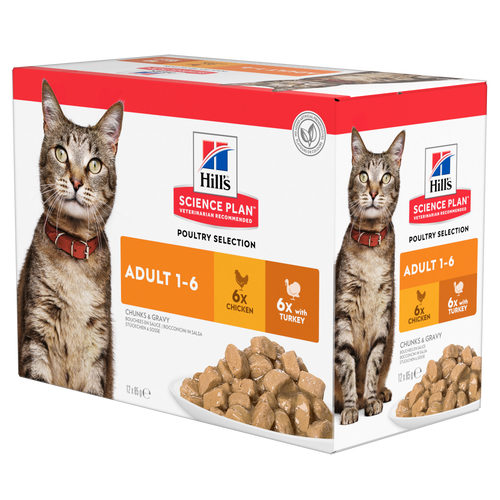
Adult Wet Cat Food with Chicken
Tender chunks in gravy for cats, with high-quality protein to maintain lean muscle. With vitamin E and omega-3s & -6s for healthy skin and balanced minerals to support healthy vital organs.
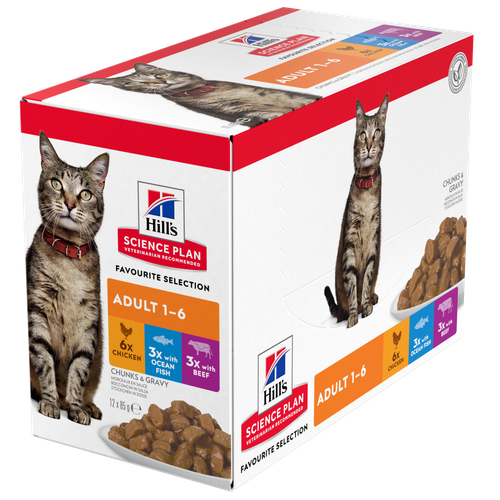
Adult Wet Cat Food with Chicken
Tender chunks in gravy for cats, with high-quality protein to maintain lean muscle. With vitamin E and omega-3s & -6s for healthy skin and balanced minerals to support healthy vital organs.
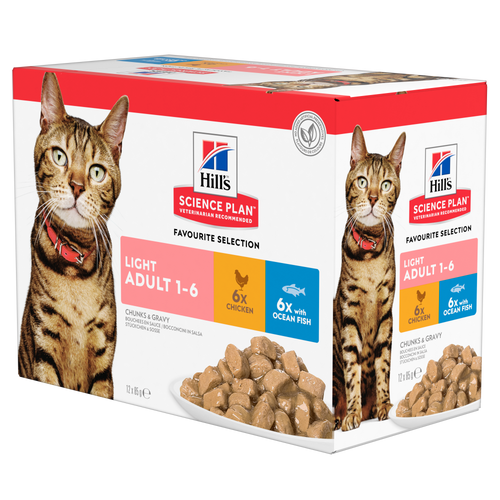
Light Adult Wet Cat Food Chicken
Tender chunks in gravy for cats, with L-carnitine and fewer calories for ideal weight management. Packed with high-quality protein, omega-6s, and vitamin E for shiny fur and healthy skin.
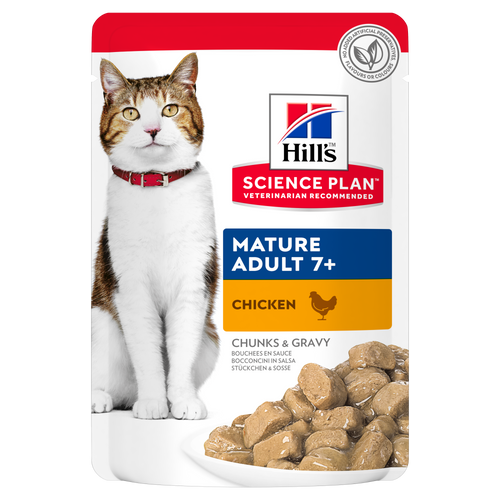
Mature Adult Wet Cat Food with Chicken
Hill's Science Plan Mature Adult Wet Cat Food Premium Chunks in Sauce with Chicken is a complete pet food for mature adult cats 7+ years old
Related articles
The Importance of Wellness Visits for Your Senior Cat
Your senior cat could be hiding something – other than your car keys. That’s right, yours could be hiding an illness right now and you’d never even know it.

Choosing the Right Food for Your Senior Cat
As your cat grows older, feeding time can be a real challenge for both you and your cat.

Cat Life Stages: Providing the Best Care for Your Cat at Any Age
From the kitten stage to the geriatric cat stage, learn the six cat life stages and tips for providing the best care for your cat at any stage of her life.
10 Important Health Tips for Senior Cats
However, as much as we value having them in our lives, it’s easy to take our pets for granted. Your senior cat, on the other hand, appreciates every single thing you’ve ever done. Why not return the favour?
Put your cat on a diet without them knowing
Our low calorie formula helps you control your cat's weight. It's packed with high-quality protein for building lean muscles, and made with purposeful ingredients for a flavourful, nutritious meal. Clinically proven antioxidants, Vitamin C+E, help promote a healthy immune system.