


Spraying
Spraying is perfectly natural cat behaviour and their way of marking somewhere with information about themselves. That said, it's not particularly desirable if done in your living room!
Before trying to solve a spraying problem, it's important to determine your kitten is actually spraying, not just urinating. The latter is performed squatting, whilst spraying is carried out standing up. Small jets of urine are pumped out on to vertical surfaces.
What to do
Take your kitten to the vet to rule out Lower Urinary Tract Disease. This treatable, but potentially very serious condition could cause your kitten to urinate outside her litter tray and thus be confused with spraying.
Spraying is often the behaviour of a stressed cat. Consider recent events that could have upset your kitten. These could be 'big' things like the arrival of a new baby, another pet, or a house move, or 'little' things like furniture having been moved around in your kitten's favourite room.


Tasty Tips
What can you do to make your kitten feel happy and secure again?
Never punish a kitten for spraying. Cats do not understand punishment and, since spraying is often a result of stress, it can actually make the problem worse.
Cleaning the area that's been sprayed thoroughly is vital. This is because any lingering smell will only encourage your kitten to go and 'top it up!'
Many popular household cleaning substances aren't suitable, because they contain ammonia and chlorine. Both of these are found in cat's urine so can make spraying in the area again more tempting.
Instead, give soiled areas a wash with as dilute solution of biological washing powder. Rinse and allow to dry. Then, after testing for colour-fastness, spray with surgical spirit. Allow the area to dry before letting your kitten back in the room.
Neutering
Castration of male cats can end spraying in 80% of cases, and in most cases this works immediately.
Persistent problems
In the vast majority of cases, spraying indoors can be quickly and successfully dealt with. However, if the problems do continue, seek the advice of your vet who may prescribe drugs or a visit to a behaviour counsellor.

Related products
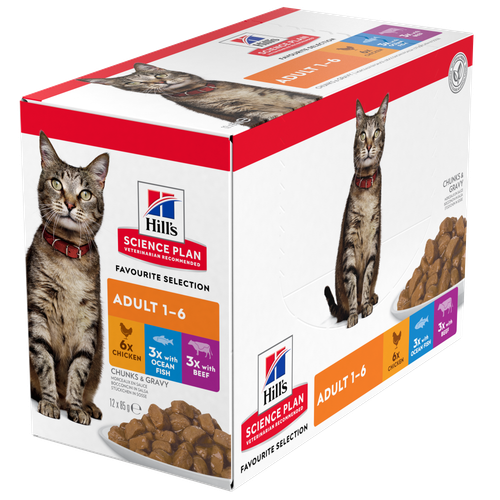
Adult Wet Cat Food with Chicken
Tender chunks in gravy for cats, with high-quality protein to maintain lean muscle. With vitamin E and omega-3s & -6s for healthy skin and balanced minerals to support healthy vital organs.
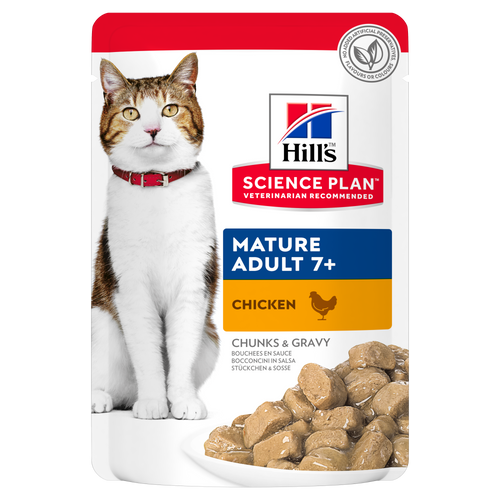
Mature Adult Wet Cat Food with Chicken
Hill's Science Plan Mature Adult Wet Cat Food Premium Chunks in Sauce with Chicken is a complete pet food for mature adult cats 7+ years old
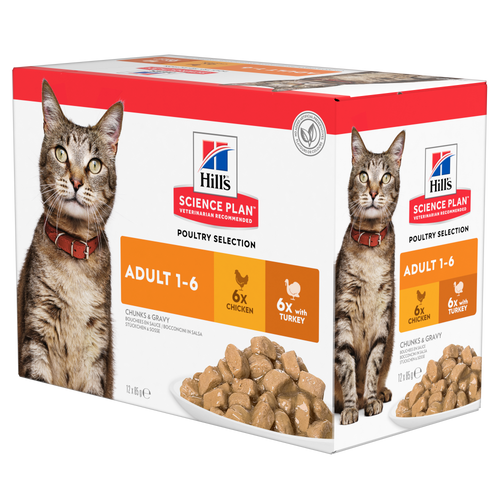
Adult Wet Cat Food with Chicken
Tender chunks in gravy for cats, with high-quality protein to maintain lean muscle. With vitamin E and omega-3s & -6s for healthy skin and balanced minerals to support healthy vital organs.
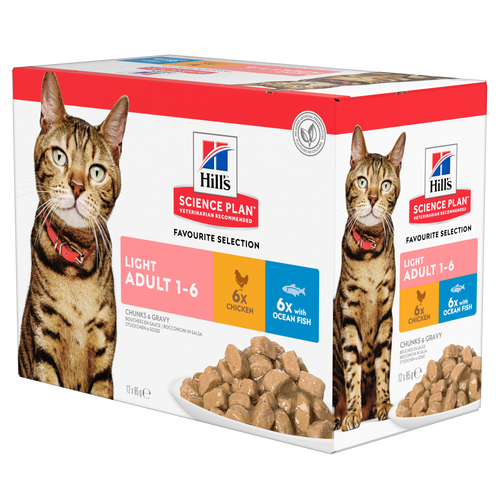
Light Adult Wet Cat Food Chicken
Tender chunks in gravy for cats, with L-carnitine and fewer calories for ideal weight management. Packed with high-quality protein, omega-6s, and vitamin E for shiny fur and healthy skin.
Related articles
Dos and Don'ts for Disciplining a Cat
Having trouble with your cat's bad behavior? Learn how to effectively discipline your cat with this helpful list of do's and don'ts.
Cat Jumping? How to Keep Their Paws on the Ground
Learn why cats like to jump and be up high, as well as how to provide her with alternative options for jumping off your countertops and furniture.
Using Positive Reinforcement when Training Your Kitten
Food rewards, like a few kibbles of Science Plan™ cat food should be given for using the litter box or scratching post, playing with toys and being relaxed when you handle them.

Cat Training: How to Train Your Cat the Easy Way
When learning how to train your cat, you'll start with very basic first steps that both reward good behavior and discourage the bad.
Put your cat on a diet without them knowing
Our low calorie formula helps you control your cat's weight. It's packed with high-quality protein for building lean muscles, and made with purposeful ingredients for a flavourful, nutritious meal. Clinically proven antioxidants, Vitamin C+E, help promote a healthy immune system.
Put your cat on a diet without them knowing
Our low calorie formula helps you control your cat's weight. It's packed with high-quality protein for building lean muscles, and made with purposeful ingredients for a flavourful, nutritious meal. Clinically proven antioxidants, Vitamin C+E, help promote a healthy immune system.