
Joint care for dogs
Joint care for dogs
Does your dog have stiff joints?
“Stiff joints” is a general term for changes in the joint caused by normal or abnormal wear and tear. Stiffness is usually a sign of joint pain. Because your dog’s joint pain directly impacts their mobility and how well they’re able to get around, it can have a serious effect on your dog’s quality of life.
For dogs who have stiff joints, the cartilage (the tissue that “cushions” the joint between the bones) is worn away faster than it is replaced. For example, when the cartilage in a dog’s hip joint wears away, mobility decreases, while pain and disability progressively develop. Although stiff joints are not curable, it is possible to improve joint health in your dog and to help them manage their joint pain.
There are many reasons why your dog could be experiencing joint discomfort and stiff joints.

Age
As dogs get older, joint cartilage will progressively wear away. Although while it it is much more common in senior dogs, younger dogs can still suffer from stiff joints, too.

Breed
Certain breeds are more prone to developing joint problems. “At-risk” dog breeds include Labrador Retrievers, Golden Retrievers, German Shepherds and Rottweilers.

Excess weight
Excess weight puts excess stress on your dog’s joints and cartilage, and increases the risk of stiff joints.

Accidents or trauma
Trauma to cartilage may lead to stiff joints later in life, and adversely affect mobility.

Congenital or hereditary defects
Some breeds may have congenital or hereditary conditions that make them more prone to developing joint problems later in life.
There are many reasons why your dog could be experiencing joint discomfort and stiff joints.
Age
As dogs get older, joint cartilage will progressively wear away. Although while it it is much more common in senior dogs, younger dogs can still suffer from stiff joints, too.
Breed
Certain breeds are more prone to developing joint problems. “At-risk” dog breeds include Labrador Retrievers, Golden Retrievers, German Shepherds and Rottweilers.
Excess weight
Excess weight puts excess stress on your dog’s joints and cartilage, and increases the risk of stiff joints.
Accidents or trauma
Trauma to cartilage may lead to stiff joints later in life, and adversely affect mobility.
Congenital or hereditary defects
Some breeds may have congenital or hereditary conditions that make them more prone to developing joint problems later in life.

What are the symptoms of stiff joints and joint pain?
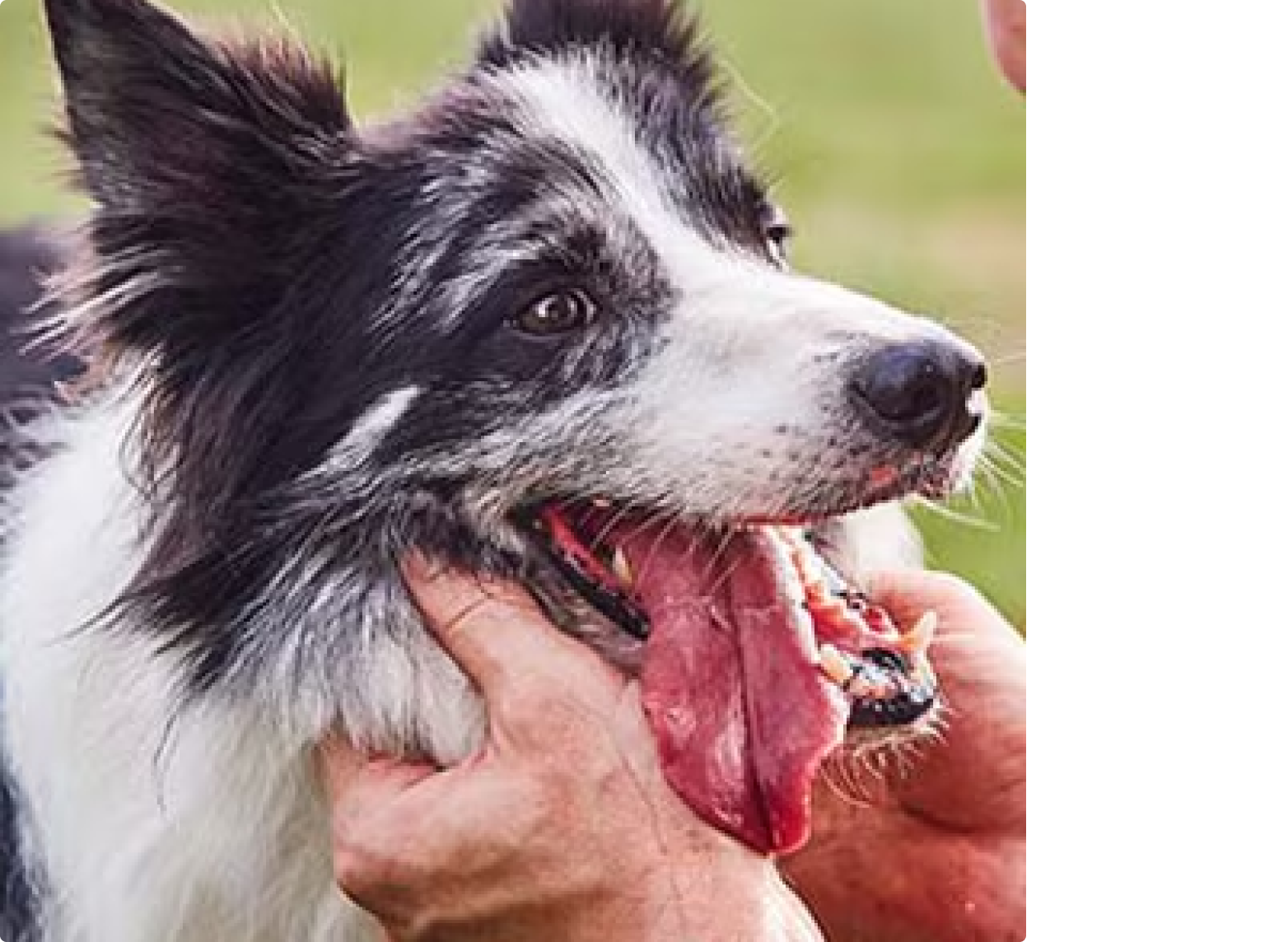
If you notice any of the following warning signs of joint discomfort in your dog, you should consult your veterinarian.

Joints and exercise
Gentle exercise is extremely good for your dog. Not only will it help keep their joints moving freely, but it will help them stay at a healthy weight and keep excess stress off their joints, which are important to their overall joint health.
The key is to control the amount of exercise, so your dog does not overexert their joints. Given an open space, your dog will usually happily run and run until they can’t any more and they may pay the price in terms of pain afterwards. By allowing a little bit of running and then putting them back on their lead for a while and taking a gentle stroll, you can control the exercise and let your dog get enough of a workout to burn off energy and keep joints mobile without causing damage.
If you’re worried about your dog getting more exercise than is beneficial, your veterinarian will be happy to advise you a sensible dog exercise regime.
Joints and exercise
Gentle exercise is extremely good for your dog. Not only will it help keep their joints moving freely, but it will help them stay at a healthy weight and keep excess stress off their joints, which are important to their overall joint health.
The key is to control the amount of exercise, so your dog does not overexert their joints. Given an open space, your dog will usually happily run and run until they can’t any more and they may pay the price in terms of pain afterwards. By allowing a little bit of running and then putting them back on their lead for a while and taking a gentle stroll, you can control the exercise and let your dog get enough of a workout to burn off energy and keep joints mobile without causing damage.
If you’re worried about your dog getting more exercise than is beneficial, your veterinarian will be happy to advise you a sensible dog exercise regime.
Switching nutrition may help
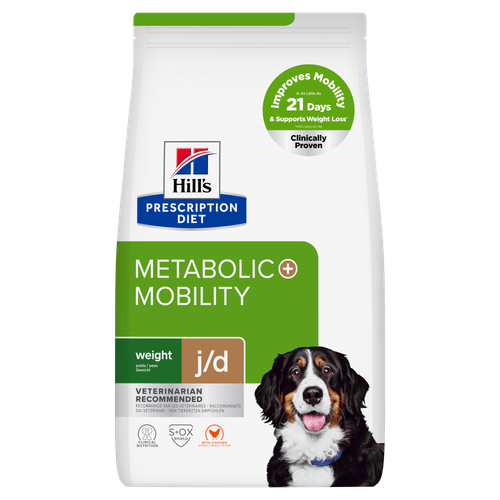
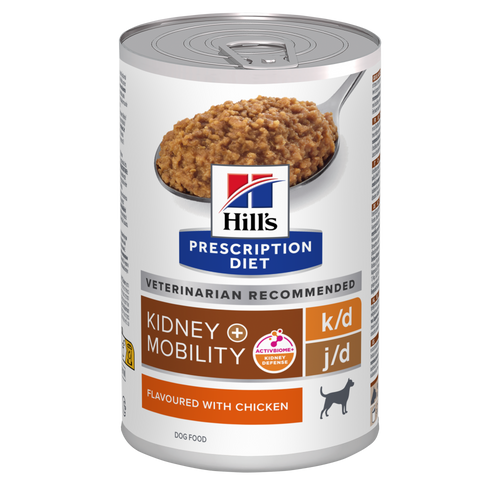
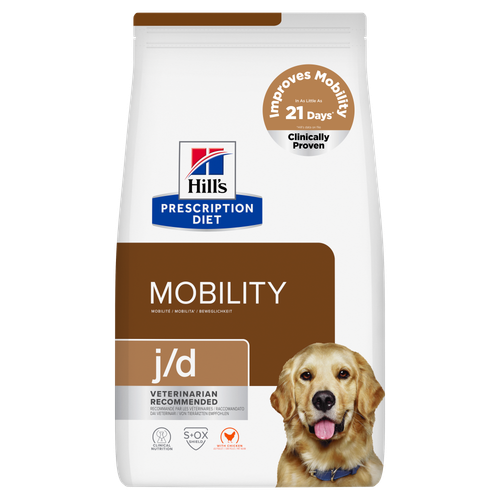
The food your dog eats can also influence their joint health and mobility. Balanced nutrition is essential part of an active, healthy lifestyle for dogs. If you’re concerned about your dog’s joint health, consult with your veterinarian and discuss the best food.
Switching nutrition may help
The food your dog eats can also influence their joint health and mobility. Balanced nutrition is essential part of an active, healthy lifestyle for dogs. If you’re concerned about your dog’s joint health, consult with your veterinarian and discuss the best food.

Related articles

Why Do Small Dog Breeds Live Longer?
Learn why small dog breeds often live longer than large breeds, including the average life expectancy for each, and tips for helping your dog live longer.
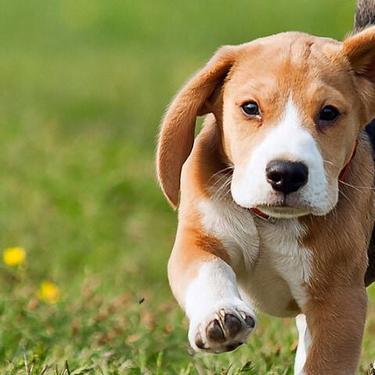
Watching Your Puppy's Weight
Did you know that an obese pet is defined as being 15% or more over its ideal weight? That translates into a mere 330 grams for a tiny dog like a Chihuahua, but over 7.5 kilograms for a Rottweiler.

My Dog is Acting Lethargic: Causes & How to Help
Discover reasons why your dog might be acting lethargic or not enjoying play & exercise like he used to, as well as when you should consult his vet.
How to Manage IBD in Dogs
Learn if your dog may be experiencing symptoms of IBD, why it's different from IBS in people, and how your vet can help manage and treat this condition.